
In the rapidly evolving landscape of new energy commercial vehicles, one critical challenge stands out: optimizing thermal management to extend vehicle range and improve economic efficiency. A recent study published in *Zhileng xuebao* (translated to *Journal of Refrigeration*) sheds light on this very issue, offering a promising solution through advanced heat pump systems. Led by Geng Yi, the research delves into the dynamic performance characteristics of heat pump systems, a core component in the thermal management of electric commercial vehicles.
The study employed R134a as the refrigerant and developed a multivariate cooperative control framework based on a proportional-integral (PI) control algorithm. Using advanced modeling environment for simulations (AMESim), the team systematically investigated the heat pump system’s performance under diverse environmental conditions. The findings are particularly relevant for two typical operating scenarios: high-temperature cooling at 40°C and wide-range low-temperature heating (-15 to 0°C).
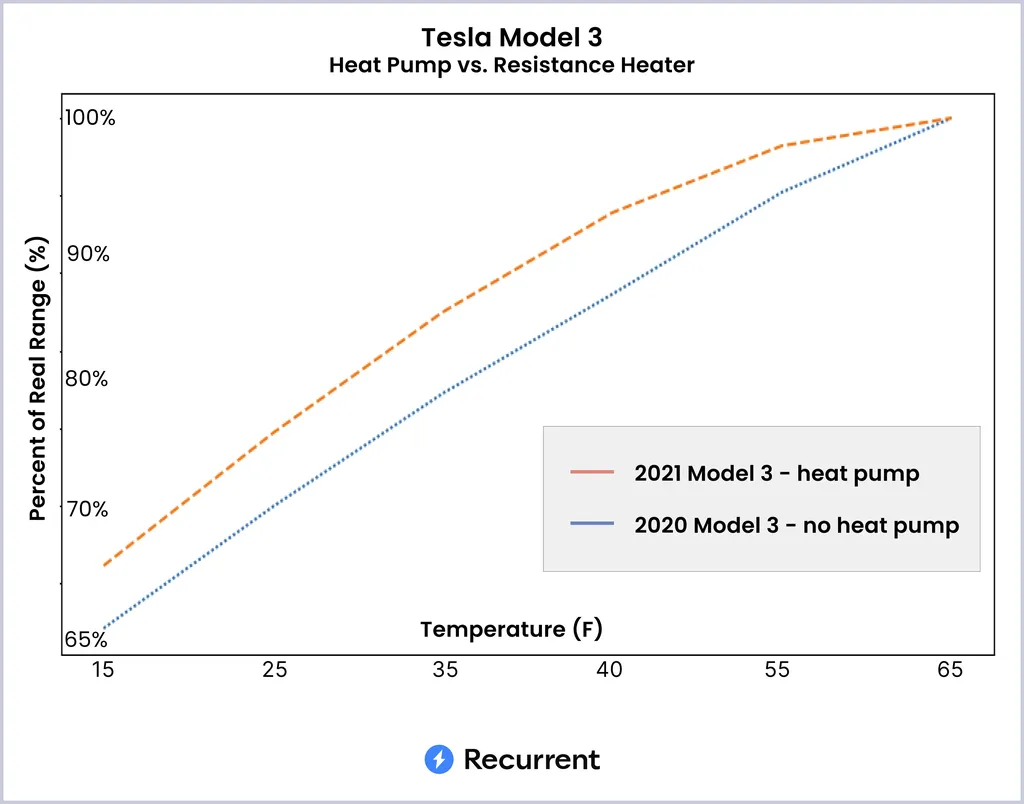
Geng Yi and his team proposed a hierarchical control strategy that integrates air-, water-, and dual-source coupled heat pump modes. They also introduced a cascaded waste heat utilization model for motors. The results are impressive. In the dual-target cooling mode, the system achieves simultaneous temperature control for the battery pack and cabin within 200 seconds, with the compressor power stabilized at approximately 7,000 W and a coefficient of performance (COP) ranging from 2.5 to 3.0. Under low-temperature heating conditions, the dual-source heat pump mode achieved a heating COP of 2.1, representing a 60% energy savings over traditional PTC heating systems.
“This research marks a significant step forward in optimizing thermal management for new energy commercial vehicles,” said Geng Yi. “The energy savings and efficiency improvements we’ve demonstrated could have substantial commercial impacts, particularly in the energy sector.”
The implications of this research are far-reaching. As the demand for electric commercial vehicles continues to grow, the need for efficient thermal management systems becomes ever more critical. The hierarchical control strategy proposed by Geng Yi and his team could pave the way for more energy-efficient and cost-effective solutions, ultimately benefiting both vehicle manufacturers and end-users.
Moreover, the cascaded waste heat utilization model for motors opens new avenues for further research and development. By leveraging waste heat, vehicles could achieve even greater energy efficiency, reducing their environmental impact and operational costs.
As the industry continues to innovate, the findings from this study could shape future developments in thermal management systems for electric vehicles. The research not only highlights the potential of advanced heat pump systems but also underscores the importance of interdisciplinary collaboration in driving technological advancements.
In the words of Geng Yi, “The future of new energy commercial vehicles lies in our ability to innovate and optimize every component of the vehicle, including the thermal management system. This research is a testament to what can be achieved through dedicated effort and collaboration.”
With the publication of this study in *Zhileng xuebao*, the industry now has a valuable resource to guide future developments and innovations in thermal management for electric commercial vehicles. The journey towards a more sustainable and energy-efficient future continues, one breakthrough at a time.