
In the quest for more efficient and sustainable energy systems, a groundbreaking study has emerged from the LIMAS Laboratory at the Faculty of Sciences Dhar El Mahraz, Sidi Mohammed Ben Abdellah University in Fez, Morocco. Lead author Mohammed Amine Hoummadi and his team have presented a novel approach to energy management that could revolutionize the way microgrids operate, potentially offering significant commercial impacts for the energy sector.
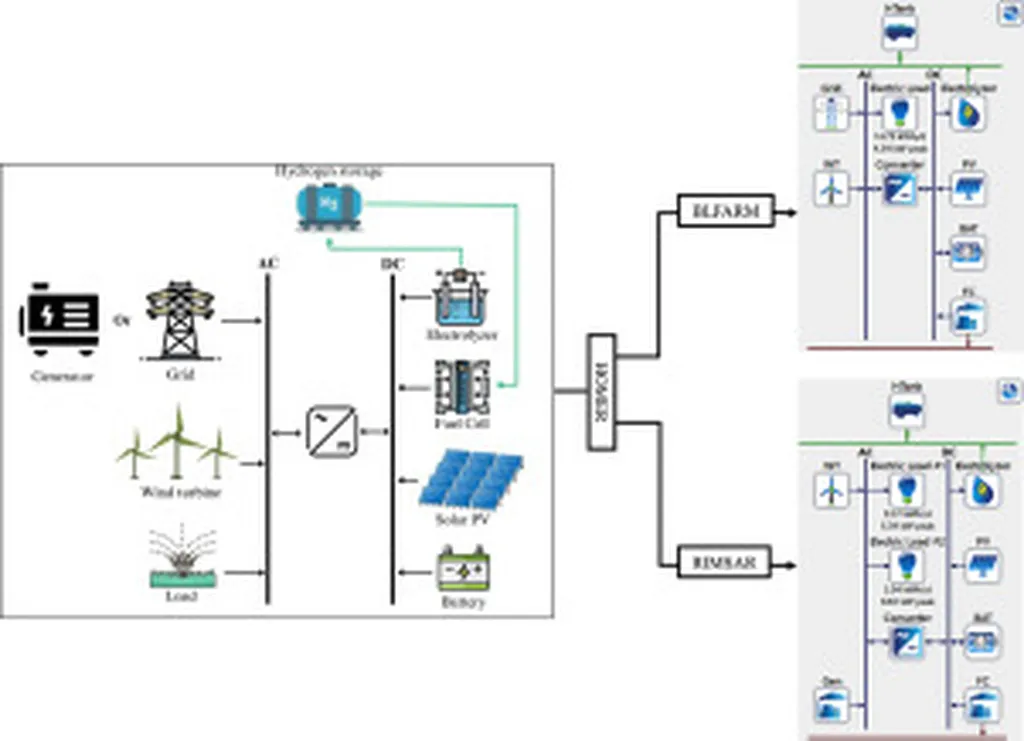
The research, published in the IET Renewable Power Generation (translated from French as “Renewable Energy Generation”), focuses on integrating advanced energy management systems (EMS) with Internet of Things (IoT) and artificial intelligence (AI) technologies. The team conducted an empirical analysis using a Genetic Algorithm model in Python, simulating a typical microgrid system supplying power to 100 homes with an average demand of 47 kW.
The results are striking. The study found that the integrated approach could reduce waste power by an impressive 93%. “This enormous reduction in waste power is a clear indication that our approach is not only technically feasible but also economically viable,” Hoummadi explained. However, the study also noted that the overall cost of the microgrid increased by approximately 25%, a trade-off that underscores the need for careful consideration in implementation.
The research delves deeper into the economic implications of deploying and maintaining such advanced EMS. It also highlights cybersecurity as a critical challenge in interconnected microgrids, a factor that could influence operational integrity. Hoummadi emphasized the importance of addressing these challenges to ensure the overall system’s resilience.
One of the study’s significant contributions is its insights into battery consumption loss and the factors that need to be managed to avoid negative impacts on the system. The research positions microgrids as key building blocks in a flexible and resilient energy infrastructure, fostering a broader, transdisciplinary dialogue that goes beyond technical discussions.
Looking ahead, the study envisions smart EMS integrated with IoT and AI as essential for enabling microgrids to provide a sustainable and reliable power supply to communities. This forward-thinking approach could shape future developments in the energy sector, making systems more efficient and stable enough to withstand environmental dynamics.
Hoummadi’s research calls upon researchers, policymakers, and other stakeholders to contribute to shaping the future of 21st-century energy systems. The study’s findings offer fresh guidelines for developing energy systems that are not only more efficient but also resilient against challenges posed by environmental dynamics.
As the energy sector continues to evolve, this research provides a compelling case for the adoption of AI-enhanced energy management systems. The potential commercial impacts are substantial, offering opportunities for innovation and investment in sustainable energy solutions. The study’s insights could pave the way for a more resilient and efficient energy landscape, benefiting communities and the environment alike.