
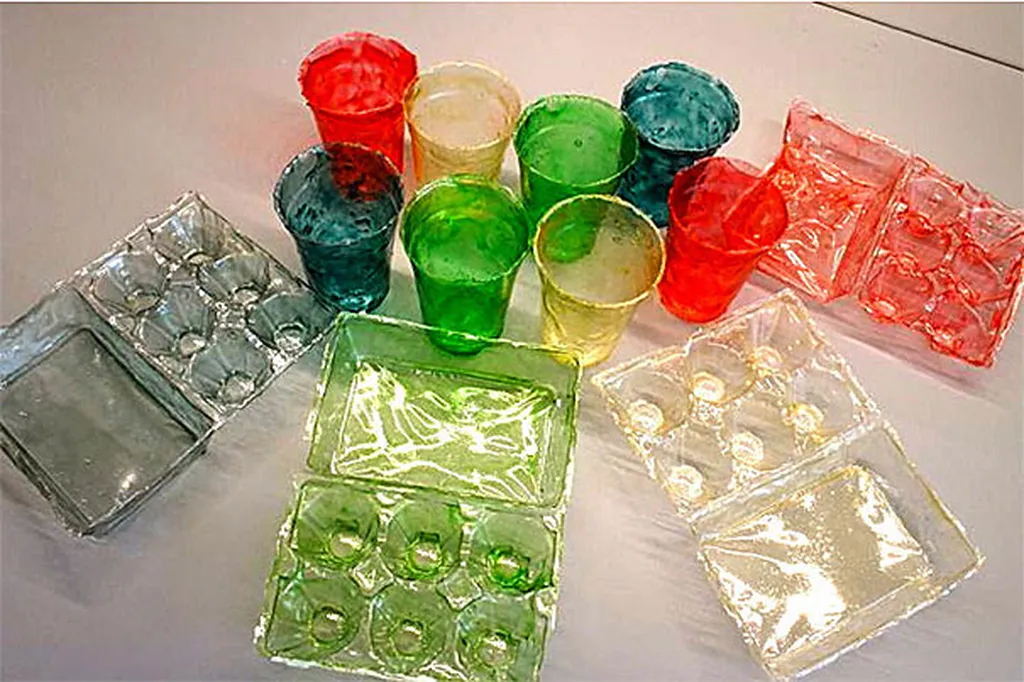
In a groundbreaking development that marries sustainability with advanced materials science, researchers have devised an eco-friendly method to transform shrimp shell waste into high-value biomaterials. The study, published in the journal *eXPRESS Polymer Letters* (which translates to *Polymer Letters Express*), introduces an ultrasound-assisted green extraction technique to produce chitosan aerogels with promising biomedical applications.
Soni Thakur, the lead author of the research, explains, “Our approach not only addresses the environmental challenge of shrimp shell waste but also unlocks its potential to create functional biomaterials.” The study investigates the impact of varying ultrasonic treatment times on the yield and properties of chitosan, a biopolymer derived from shrimp shells. The optimal treatment time of 30 minutes resulted in aerogels with exceptional porosity and structural integrity, making them ideal for biomedical uses.
The biocompatibility of these aerogels was thoroughly evaluated, confirming their non-cytotoxic nature. Moreover, the aerogels demonstrated significant bioactivity, achieving a wound closure rate of 51% after 72 hours—substantially higher than the untreated control. They also exhibited robust antibacterial properties against both Escherichia coli and Staphylococcus aureus.
This innovative method holds profound implications for the energy and biomedical sectors. By converting marine waste into valuable biomaterials, the research supports the circular bioeconomy and aligns with global sustainability goals. The potential applications of these chitosan aerogels extend to wound healing, tissue engineering, and regenerative medicine, offering a sustainable alternative to traditional materials.
As the world seeks to balance technological advancement with environmental stewardship, this research paves the way for future developments in green extraction techniques and biomaterial innovation. Thakur’s work underscores the importance of interdisciplinary collaboration in addressing pressing global challenges, from waste management to healthcare.
The study, published in *eXPRESS Polymer Letters*, not only highlights the transformative potential of ultrasound-assisted extraction but also sets a precedent for future research in sustainable biomaterial development. As industries increasingly prioritize eco-friendly solutions, this research offers a compelling blueprint for turning waste into opportunity.