
In the world of construction, the bond between steel and concrete is a critical factor that influences the strength and durability of structures. A recent study published in the Brazilian Journal of Structural and Materials Engineering (Revista IBRACON de Estruturas e Materiais) has shed new light on this fundamental relationship, with potential implications for the energy sector and beyond.
Led by Marcela Novischi Kataoka, the research investigates how the addition of steel fibers affects the bond between steel reinforcement bars and concrete. The study, conducted at the University of São Paulo, examined concrete specimens with varying compressive strengths and different types of steel fibers.
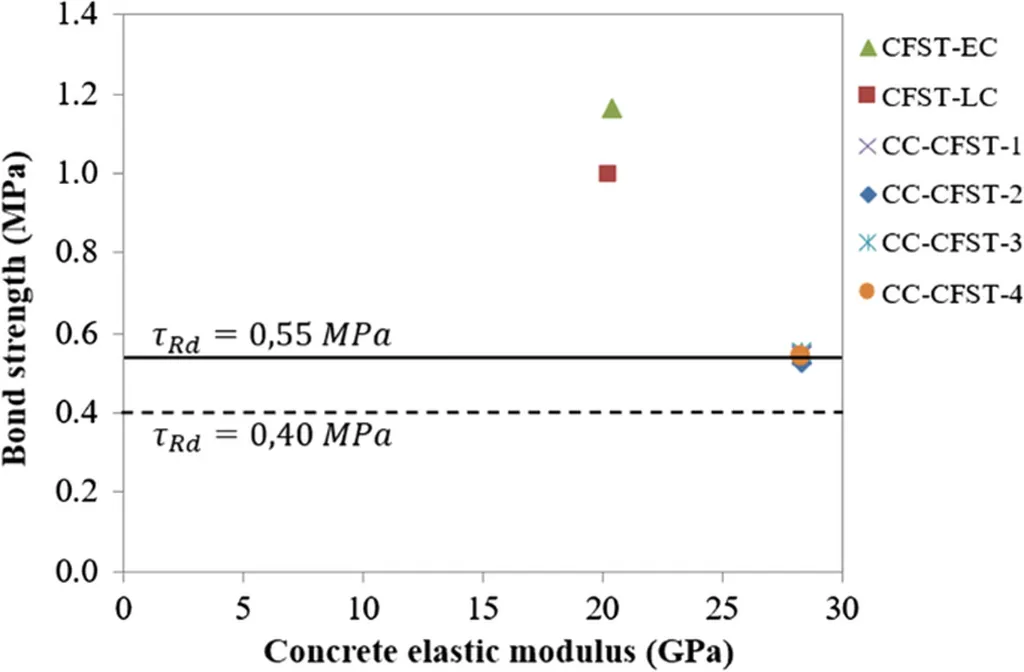
The findings reveal that the inclusion of steel fibers did not significantly alter the bond strength between steel bars and concrete. “We were surprised to find that the addition of steel fibers did not have a substantial impact on bond strength,” Kataoka notes. This is a crucial insight, as it challenges the common assumption that steel fibers enhance bond characteristics.
The study also compared the experimental results with analytical models for bond strength determination. The results showed that all standard codes were conservative compared to the findings of this study. This suggests that current design codes may underestimate the true bond strength between steel and concrete, particularly in high-strength concrete applications.
For the energy sector, these findings could have significant commercial impacts. The construction of energy infrastructure, such as wind turbines, oil and gas platforms, and nuclear power plants, often involves high-strength concrete and steel reinforcement. A better understanding of bond behavior can lead to more efficient and cost-effective designs.
Moreover, the research highlights the importance of experimental investigations in validating and updating design codes. As Kataoka explains, “Our findings emphasize the need for continuous research and validation of analytical models to ensure the safety and efficiency of modern construction practices.”
The study’s results also open up new avenues for future research. For instance, further investigations could explore the bond behavior in different environmental conditions, such as high temperatures or aggressive chemical environments, which are relevant to the energy sector.
In conclusion, this research by Kataoka and her team provides valuable insights into the bond behavior between steel and concrete, with potential implications for the energy sector and other industries. As the construction industry continues to evolve, such studies will be crucial in shaping future developments and ensuring the safety and efficiency of our built environment.