
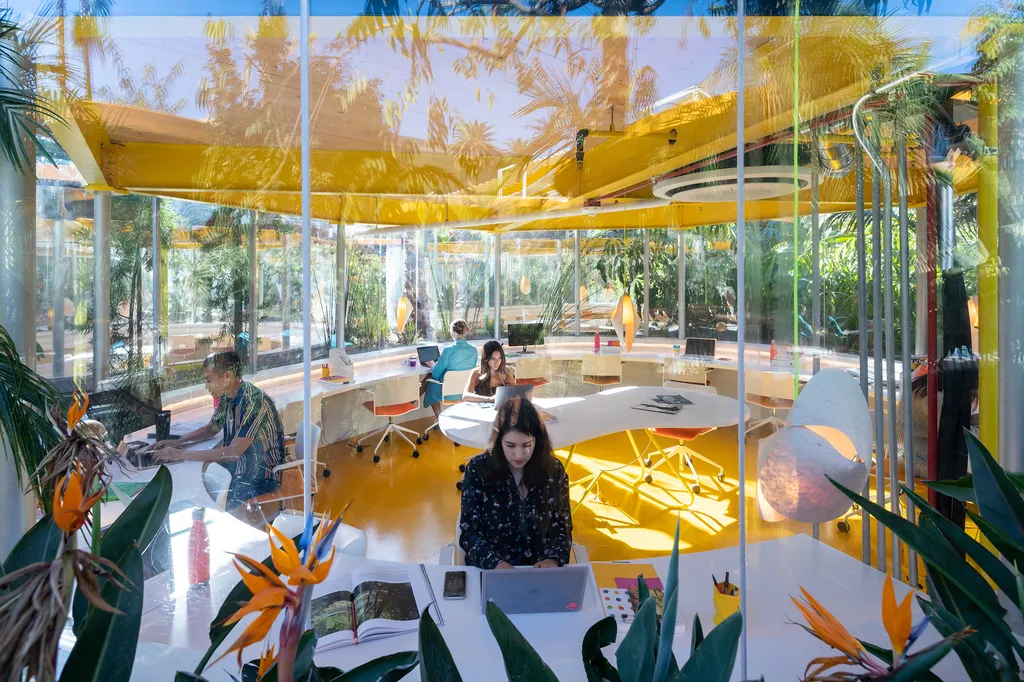
In the heart of Adana Science and Technology University, researcher Sena Işıklar Bengi has been delving into the world of architecture, exploring how user experience shapes the spaces we inhabit. Her recent study, published in the *Journal of Design for Resilience in Architecture and Planning* (translated as *Journal of Design for Resilience in Architecture and Planning*), focuses on the innovative work of Spanish architecture firm SelgasCano, offering insights that could reshape how we think about commercial and public spaces.
SelgasCano, founded by Jose Selgas and Lucia Cano, is known for its vibrant, user-centered designs. The firm’s approach is not just about creating buildings; it’s about crafting experiences. “We design spaces that people want to be in, that they enjoy and embrace,” says Lucia Cano. This philosophy is at the core of SelgasCano’s work, and it’s what caught the attention of Işıklar Bengi.
In her study, Işıklar Bengi identified four key themes that SelgasCano integrates into their designs to enhance user experience: context, biophilia, material, and color. These elements are not just aesthetic choices; they are strategic components that shape how people interact with and perceive a space.
Context, for instance, is about understanding the environment in which a building exists. SelgasCano’s designs often respond to their surroundings, creating a harmonious relationship between the built environment and nature. Biophilia, the innate tendency to seek connections with nature, is another crucial aspect. SelgasCano incorporates natural elements into their designs, promoting well-being and productivity.
Materials and color also play significant roles. SelgasCano’s use of translucent materials and bold colors creates dynamic, engaging environments. “Color is not just a decorative element,” explains Jose Selgas. “It’s a tool that can influence mood, behavior, and even productivity.”
The commercial implications of this research are substantial. In an era where employee well-being and productivity are top priorities, understanding how to design spaces that enhance these aspects is invaluable. SelgasCano’s approach could revolutionize office design, retail spaces, and public buildings, making them more enjoyable, productive, and sustainable.
Işıklar Bengi’s study also highlights the importance of user-centered design in creating resilient, adaptable spaces. As the world grapples with climate change and urbanization, this approach could be key to designing buildings that stand the test of time.
The research underscores the need for architects and designers to prioritize user experience, integrating sensory, emotional, and cognitive dimensions into their work. By doing so, they can create spaces that are not just functional but also enjoyable and meaningful.
As we look to the future, the insights from Işıklar Bengi’s study could shape the way we design our cities, our workplaces, and our homes. It’s a reminder that good design is not just about aesthetics; it’s about creating experiences that enrich our lives.