
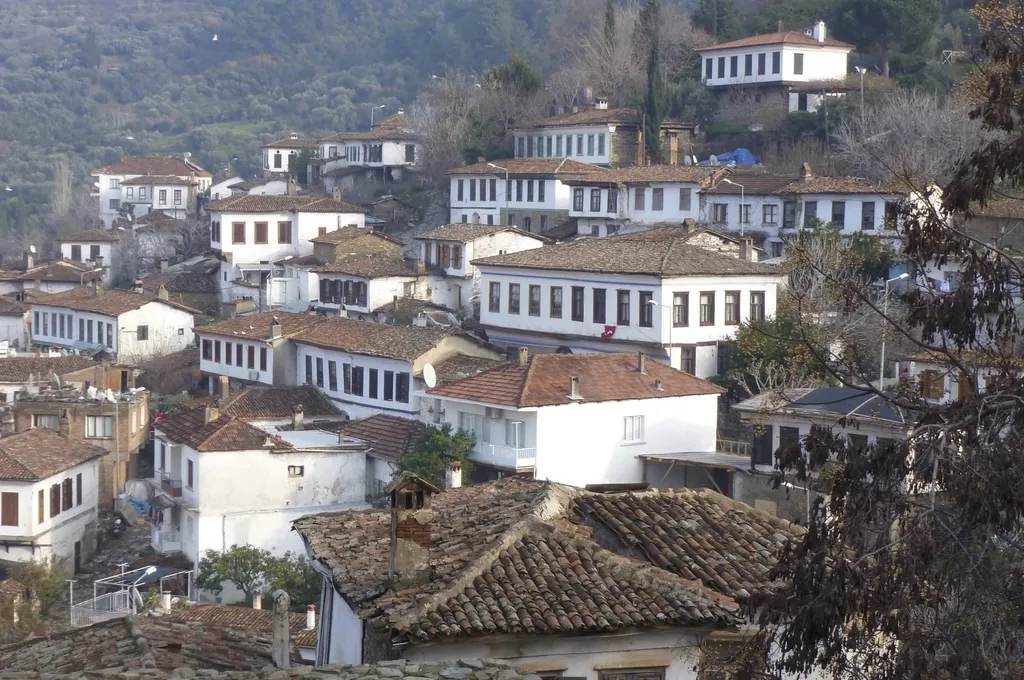
In the heart of Turkey, a 5000-year-old neighborhood is offering modern lessons in climate resilience, with implications that could reshape how we approach energy efficiency and urban planning in historic cities worldwide. The Sille Neighborhood in Konya, a treasure trove of cultural heritage, is at the center of a groundbreaking study published in the *Journal of Design for Resilience in Architecture and Planning* (translated from Turkish as *Journal of Design for Resilience in Architecture and Urban Planning*).
The research, led by Murat Kitir from the Ministry of Culture and Tourism, shines a spotlight on the unique vulnerabilities of historic urban areas in the face of climate change. Unlike contemporary cities, historic sites like Sille grapple with challenges exacerbated by their traditional construction materials—wood and adobe—and their distinctive settlement layouts. “These materials, while rich in history, present a paradox,” Kitir explains. “They are part of what makes Sille culturally invaluable, but they also make the neighborhood more susceptible to the urban heat island effect, sudden flooding, and drought conditions.”
The urban heat island phenomenon, where urban areas become significantly warmer than their rural surroundings, is a pressing concern for Sille. As global temperatures rise, the energy sector is under increasing pressure to develop innovative solutions that balance heritage preservation with climate adaptation. The study highlights the need for strategies that can mitigate these effects without compromising the historic integrity of the neighborhood.
One of the most compelling aspects of this research is its potential to influence future developments in the energy sector. As cities worldwide grapple with the dual challenges of climate change and urbanization, the lessons from Sille could offer a blueprint for integrating energy-efficient technologies into historic urban landscapes. “The key lies in finding a harmonious balance,” Kitir notes. “We need to preserve the cultural heritage while implementing modern solutions that enhance resilience.”
The commercial implications for the energy sector are substantial. Companies specializing in sustainable building materials, renewable energy, and climate adaptation technologies stand to benefit from the insights gleaned from this research. By understanding the unique challenges faced by historic cities, the energy sector can develop tailored solutions that not only address climate resilience but also preserve the cultural and historical significance of these sites.
As the world continues to urbanize and climate change intensifies, the need for innovative and adaptive strategies becomes ever more critical. The study on Sille offers a timely reminder that the past and the future are not mutually exclusive. By learning from historic sites like Sille, we can pave the way for a more resilient and sustainable urban future.