
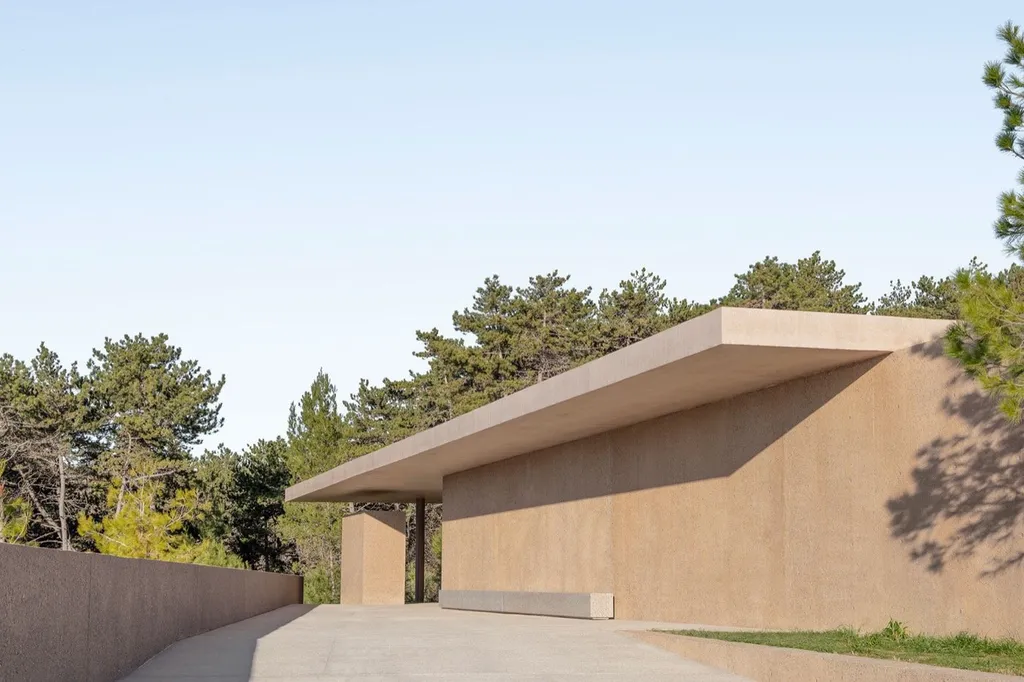
In the heart of Ankara, a historic cemetery is undergoing a remarkable transformation, blending the past with the present to create a vibrant urban green space. Cebeci Asri Cemetery, the first modern cemetery established during the Republic of Turkey, is being reimagined as an open-air museum and cultural route, thanks to the innovative research led by Aslı Taş of Nevşehir Hacı Bektaş Veli University.
As cities expand and construction densities increase, old cemeteries that have served their original purpose are gaining attention as potential open spaces. Cebeci Asri Cemetery, with its rich history and cultural significance, is a prime example of this trend. “This cemetery is not just a burial ground; it’s a repository of our collective memory,” Taş explains. “By integrating it into urban life, we can preserve its historical value while creating a green oasis for the community.”
The research, published in the Journal of Design for Resilience in Architecture and Planning (Journal of Sustainable Design and Planning), focuses on spatial re-functionalization and digitally supported cultural route design. Taş and her team have developed a landscape-focused integration model that transforms the cemetery into an open-air museum, highlighting the resting places of important figures from the Republic’s history. A mobile application has been created to guide visitors along this cultural route, enhancing their experience and providing educational content.
One of the unique aspects of this project is the repurposing of original structures like ossuaries and namazgahs (prayer areas). These inactive and vacant structures have been incorporated into the new usage scenario, ensuring their preservation and continued relevance. “We wanted to respect the original architecture while giving it new life,” Taş notes. “This approach not only preserves our heritage but also contributes to the sustainability of urban development.”
The commercial impacts of this research are significant, particularly for the energy sector. As urban areas become denser, the need for green spaces that can support biodiversity and mitigate the urban heat island effect becomes crucial. Cemeteries, with their established vegetation and open spaces, can play a vital role in this regard. Moreover, the digital integration aspect of the project opens up opportunities for smart city solutions, including energy-efficient lighting and waste management systems.
This innovative approach to cemetery transformation has the potential to shape future developments in urban planning and design. By demonstrating how historical sites can be integrated into modern urban life, Taş’s research provides a valuable guide for urban administrations worldwide. “Our goal is to create a model that can be adapted to other cities and contexts,” Taş says. “We believe that by preserving our past, we can build a more sustainable and resilient future.”
As Cebeci Asri Cemetery undergoes its transformation, it stands as a testament to the power of innovative thinking in urban design. By blending history, nature, and technology, this project not only honors the past but also paves the way for a greener, smarter urban future.