
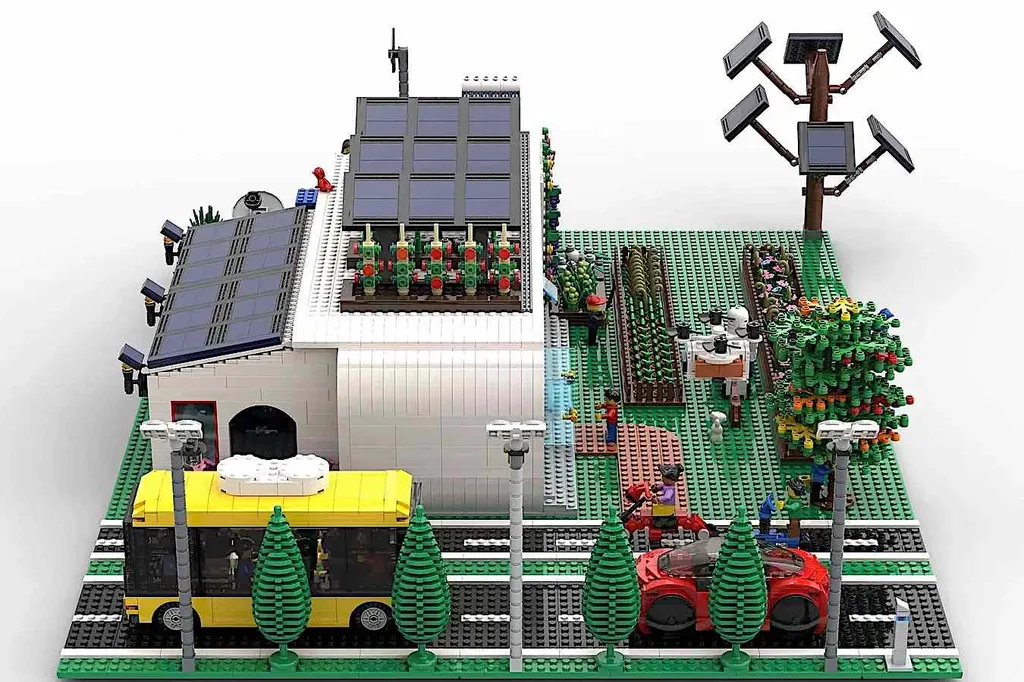
In the ever-evolving landscape of architectural education, a fascinating study led by Erdem Köymen from Istanbul Sabahattin Zaim University is shedding light on the complementary roles of physical and virtual LEGO modules in design pedagogy. Published in the *Journal of Design for Resilience in Architecture and Planning* (which translates to *Journal of Design for Resilience in Architecture and Planning* in English), this research offers valuable insights into how these tools can shape the future of architectural and interior design education, with potential ripples extending into the commercial sector, including energy-efficient building design.
The study, which involved student groups reconstructing a pre-designed architectural plan using both physical and virtual LEGO modules, revealed that each format brings unique benefits to the learning process. Physical LEGO sets were found to enhance manual dexterity, three-dimensional reasoning, and confidence by engaging students in tangible construction processes. “The tactile nature of physical LEGO allows students to develop a deep understanding of spatial relationships and structural integrity,” Köymen explained. On the other hand, virtual LEGO platforms advanced technological literacy, spatial visualization, and digital exploration, preparing students for the demands of contemporary design environments.
One of the most compelling findings was the complementary nature of these two approaches. While physical LEGO modules promoted hands-on engagement, efficiency, and confidence, virtual modules fostered creativity in digital environments and a sense of achievement. “It’s not about choosing one over the other,” Köymen noted. “Both formats address different dimensions of the design process, enriching architectural pedagogy as a whole.”
The implications of this research extend beyond the classroom. In an era where energy efficiency and sustainable design are paramount, the ability to visualize and construct complex architectural plans is crucial. The integration of physical and virtual LEGO modules in education can cultivate a new generation of architects and designers who are not only skilled in traditional methods but also adept at leveraging digital tools for innovative, energy-efficient solutions.
As the commercial sector increasingly demands sustainable and technologically advanced building designs, the insights from this study could inform the development of new educational programs and training initiatives. By bridging the gap between physical and virtual realms, architectural education can better prepare students for the challenges and opportunities of the future.
In a world where technology is rapidly advancing, the study underscores the importance of integrating traditional tactile methods with emerging digital tools. “This integration not only bridges the gap between physical and virtual realms but also provides a rational perspective on contemporary educational challenges in an increasingly digitized world,” Köymen said.
As the architectural and design industries continue to evolve, the findings from this research could shape the way educators and professionals approach training and development. By embracing the complementary nature of physical and virtual LEGO modules, the field can cultivate a more versatile and adaptable workforce, ready to tackle the complexities of modern design and construction.