
In the bustling intersection of biology and materials science, a groundbreaking study led by Hongtao Xu from the Department of Orthopedics at The First Affiliated Hospital of Nanjing Medical University is reshaping our understanding of small extracellular vesicles (sEVs) and their potential as programmable bioactive materials. Published in the journal *Bioactive Materials* (translated from Chinese as “活性材料”), this research is poised to revolutionize therapeutic engineering and precision medicine.
Small extracellular vesicles, or sEVs, are tiny particles secreted by cells that play a crucial role in cell-to-cell communication. What makes them particularly exciting is their ability to be engineered for targeted drug delivery and therapeutic applications. “Rather than passive carriers, sEVs can be actively programmed through diverse strategies to achieve efficient loading, precise targeting, and functional integration with synthetic systems,” explains Xu.
The study highlights several innovative strategies for engineering sEVs. Endogenous modulation, for instance, involves tweaking donor cells through genetic editing, priming with bioactive glass, cytokine stimulation, or exposure to hypoxic conditions. This allows for the selective packaging of nucleic acids, proteins, and metabolites into the vesicles. “Endogenous modulation enables us to fine-tune the cargo of sEVs, making them more effective for specific therapeutic applications,” says Xu.
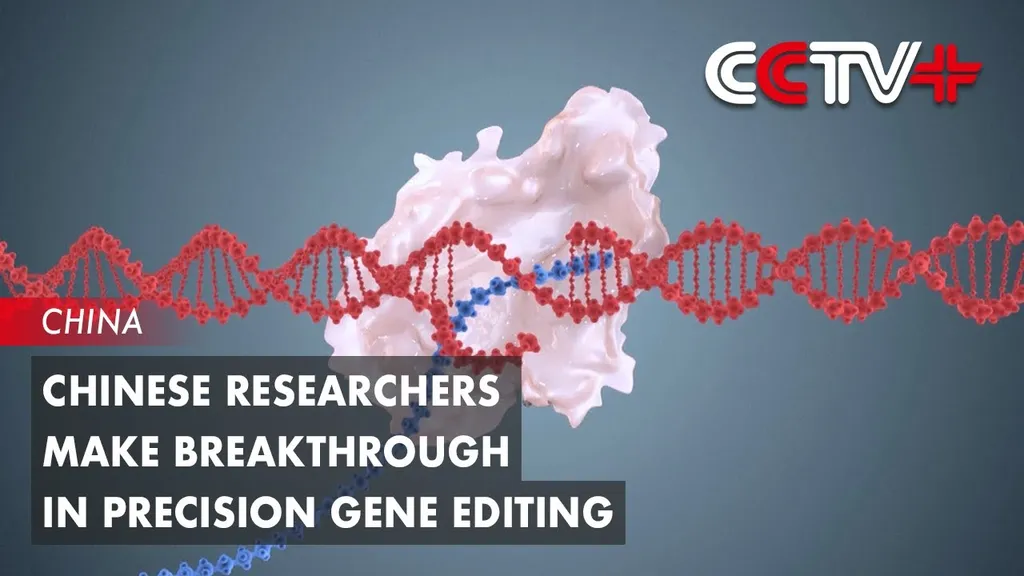
Exogenous techniques, such as electroporation, sonication, and extrusion, offer another layer of control. These methods allow researchers to incorporate therapeutic drugs or genome-editing complexes like CRISPR/Cas into sEVs. Surface modifications using Lamp2b-fusion scaffolds, aptamers, antibodies, and click chemistry further enhance the targeting capabilities and circulation time of these vesicles.
One of the most compelling aspects of this research is the integration of sEVs with nanomaterials, scaffolds, and microfluidic platforms. This not only improves the stability and scalability of sEVs but also makes them more reproducible. “By integrating sEVs with advanced materials and technologies, we can overcome some of the challenges associated with their use in clinical settings,” notes Xu.
The implications of this research are vast, particularly in the fields of regenerative medicine, oncology, and precision therapeutics. As we move towards more personalized and targeted treatments, sEVs offer a versatile and potent platform. “This review highlights recent advances in engineering sEVs as programmable bioactive materials and discusses their potential to transform regenerative medicine, oncology, and precision therapeutics,” Xu concludes.
The study published in *Bioactive Materials* not only advances our scientific understanding but also paves the way for innovative therapeutic strategies. As we continue to explore the capabilities of sEVs, we can expect to see significant advancements in the field of medicine, ultimately improving patient outcomes and transforming the way we approach disease treatment.