
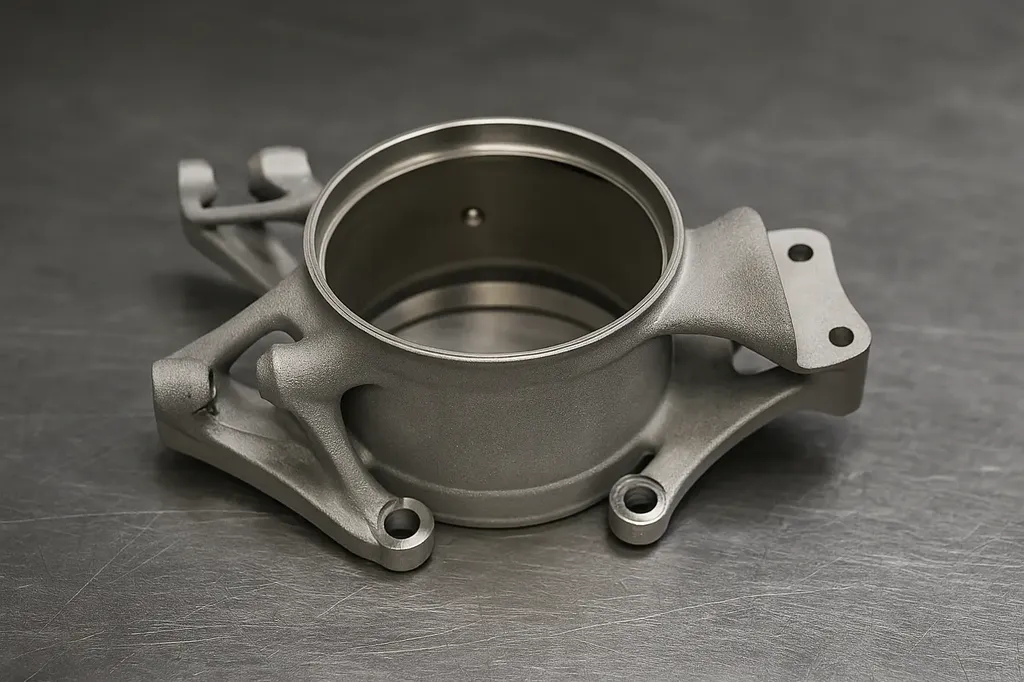
In a significant stride for the construction and automotive industries, researchers have uncovered a novel method to bolster the mechanical properties of AlSi10Mg alloys, potentially revolutionizing lightweight component manufacturing. The study, led by Onur Muratal of TOYOTETSU Automotive Parts Industry and Trade Inc. in Kocaeli, Türkiye, explores the impact of silver (Ag) microalloying on AlSi10Mg alloys consolidated via vacuum hot pressing. The findings, published in *Materials Research Express* (which translates to *Materials Research Express* in English), open new avenues for enhancing material performance without resorting to complex or costly processes.
Muratal and his team investigated the effects of adding varying concentrations of silver (0–8 wt%) to pre-alloyed AlSi10Mg powders. The alloys were densified in a single step, eliminating the need for post-heat treatment—a departure from traditional methods that often involve multiple processing stages. The results were striking. At the optimal concentration of 6 wt% Ag, the alloy exhibited a peak hardness of 74 HV, a remarkable 63% increase compared to the base alloy. Wear resistance also saw a substantial improvement, with a 42% reduction in wear rate, dropping from 14.2 × 10^−3 to 8.3 × 10^−3 mm³ m⁻¹. Perhaps most notably, the flexural strength reached 476 MPa with a deflection of 3.8 mm, values that rival those achieved through selective laser melting (SLM) and are nearly four times higher than unmodified hot-pressed alloys.
The enhancements are attributed to several key factors, including Ag-induced grain refinement, the formation of hard intermetallic phases, and improved densification during sintering. “The addition of silver not only refines the grain structure but also facilitates the formation of intermetallic phases that significantly enhance the material’s mechanical properties,” Muratal explained. However, the study also revealed a critical caveat: exceeding the 6 wt% Ag threshold led to agglomeration, which diminished the alloy’s performance, underscoring the importance of precise compositional control.
This research is particularly relevant for industries seeking lightweight, high-performance materials for structural components. The automotive and energy sectors, for instance, stand to benefit from stronger, more durable alloys that can withstand demanding conditions while reducing overall weight. “This method offers a cost-effective alternative to traditional processes, eliminating the need for complex post-treatment steps while delivering competitive mechanical performance,” Muratal added. The study establishes clear links between composition, processing, and material properties, paving the way for future advancements in material science.
As the demand for lightweight and high-strength materials continues to grow, this research could shape the future of manufacturing, particularly in sectors where performance and efficiency are paramount. By optimizing the use of silver in AlSi10Mg alloys, industries may soon have access to materials that are not only stronger and more durable but also more economical to produce. The findings published in *Materials Research Express* mark a significant step forward, offering a blueprint for future innovations in material design and processing.