
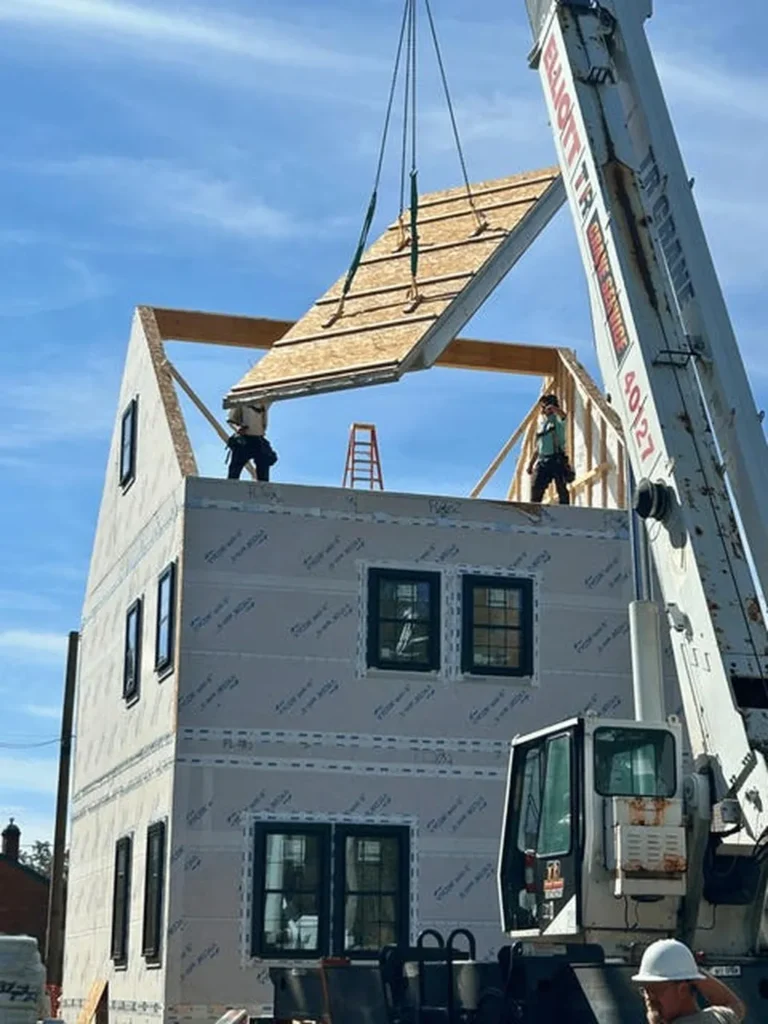
In the quest for energy-efficient housing solutions, a recent study published in the journal *Energies* (translated to “Energies”) has shed light on the potential of innovative technologies to enhance the thermal performance of modular houses in Australia. The research, led by Sathya Bandaranayake from the School of Engineering at RMIT University in Melbourne, explores the integration of smart materials such as aerogel, phase change materials (PCMs), and electrochromic glazing to improve energy performance in diverse Australian climates.
Australia’s building sector is under increasing pressure to meet higher thermal performance standards, as buildings are responsible for a significant portion of the country’s greenhouse gas emissions. Modular construction, known for its efficiency and cost-effectiveness, is gaining popularity. However, optimizing its thermal performance could further boost its appeal.
Bandaranayake and his team conducted building energy performance simulations for three Australian cities: Melbourne, Perth, and Brisbane. They assessed the individual and combined effects of aerogel, PCMs, and electrochromic glazing. The results were promising. The combination of these technologies yielded total annual energy savings of 15.6% for Melbourne, 11.2% for Perth, and 6.1% for Brisbane.
“These findings demonstrate the potential of smart materials to significantly improve the energy performance of modular houses,” Bandaranayake said. “By integrating these technologies, we can make a substantial impact on reducing energy consumption and greenhouse gas emissions in the building sector.”
The study highlights the importance of tailored solutions for different climates. For instance, the combination of all three technologies showed the highest energy savings in Melbourne, a city with a temperate climate. In contrast, the savings were lower in Brisbane, a subtropical city, indicating the need for climate-specific approaches.
The commercial implications of this research are substantial. As the demand for energy-efficient housing grows, the integration of smart materials in modular construction could become a game-changer. It could lead to reduced energy bills for homeowners, decreased strain on the energy grid, and a significant reduction in greenhouse gas emissions.
Moreover, the study opens up new avenues for further research. As Bandaranayake notes, “While our findings are promising, there’s still much to explore. Future research could delve into the cost-effectiveness of these technologies and their long-term durability.”
In conclusion, this research underscores the potential of innovative technologies to shape the future of the building sector. By embracing smart materials, we can strive towards a more sustainable and energy-efficient future. The study, published in *Energies*, serves as a stepping stone towards this goal, paving the way for further exploration and development in the field.