
In the heart of Japan, a groundbreaking study led by Tomoko Tokumura of the Human Behavioral Science Group at Takenaka Corporation’s Research & Development Institute is reshaping our understanding of workplace dynamics. The research, published in the Japan Architectural Review (Nihon Kenchiku Gakkai Ronbunshu), delves into the communication behaviors and space utilization of office workers in a research facility that underwent renovations to foster open innovation.
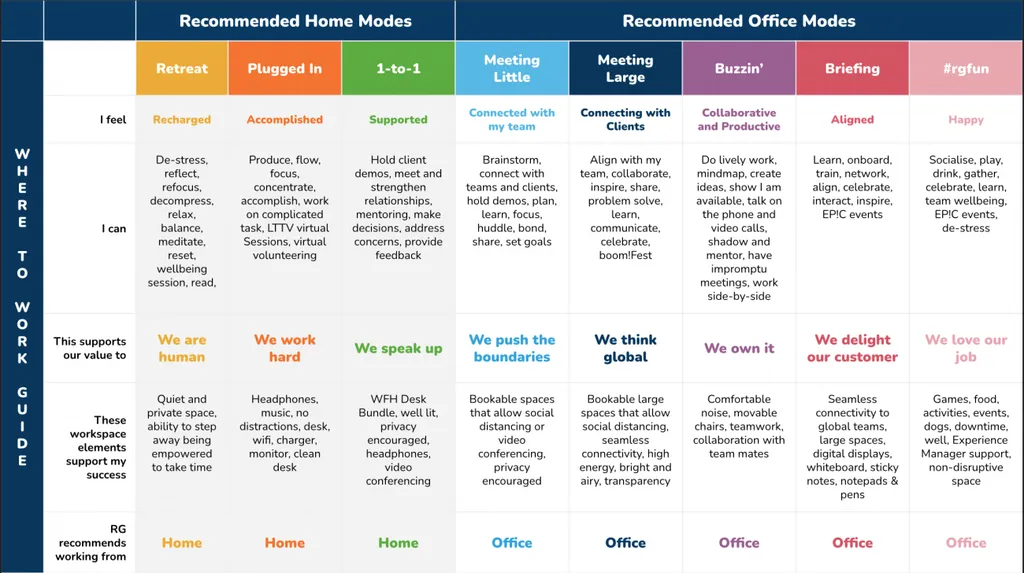
The study focused on a construction company’s research facility that transitioned from fixed seats to activity-based working (ABW) post-renovation. This shift aimed to promote internal and external interactions, a critical factor in today’s collaborative work environments. Tokumura and her team combined objective surveys using sensing terminals with subjective evaluations from a questionnaire to analyze the changes in communication behaviors and space utilization.
The results were striking. Pre-renovation, workers spent 74% of their time around their personal workspaces. Post-renovation, this dropped to 60%, indicating a significant shift towards using various spaces within the office. “This suggests that activity-based working encourages workers to explore and utilize different areas of the office, fostering a more dynamic work environment,” Tokumura explained.
The study also revealed a 1.9 times increase in the number of conversation partners on average, with inter-department conversation rates rising from 46% to 53%. However, while inter-departmental communication satisfaction increased, intra-departmental communication satisfaction tended to decrease. This highlights the need for organizational and operational efforts to sustain and promote communication within departments when introducing ABW.
The implications for the energy sector are profound. As companies strive for open innovation, understanding how to optimize workplace design to enhance communication and collaboration is crucial. The study confirms that ABW can be effective in promoting interaction among office workers, but it also underscores the importance of balancing different types of communication to maintain productivity and cohesion within teams.
Tokumura’s research suggests that future workplace designs should focus on creating flexible spaces that encourage interaction while also providing areas for focused, department-specific work. This balance could be key to unlocking the full potential of ABW in driving innovation and productivity.
As the energy sector continues to evolve, the insights from this study could shape the future of workplace design, helping companies create environments that foster collaboration, innovation, and ultimately, success. The study, published in the Japan Architectural Review, serves as a valuable resource for professionals looking to optimize their workspaces for the demands of the modern workplace.