
In the realm of construction and design for elderly care facilities, a groundbreaking study has emerged that could significantly impact how we approach wayfinding and non-pharmacological therapy for individuals with dementia. Led by Yusuke Mizuno from the Center for Preventive Medical Sciences at Chiba University in Japan, this research delves into the crucial role of restroom signs in group homes for the elderly with dementia, offering insights that could revolutionize the industry.
The study, published in the Japan Architectural Review (Jiken Kenchiku Hyōron), focuses on the specific needs and elements of restroom signs that enable elderly individuals with dementia to independently locate restrooms. Mizuno and his team have identified key specifications that could transform the way we design these essential navigational aids.
“Restroom signs are commonly displayed in many group homes in Japan,” Mizuno explains. “The needs of staff regarding restroom signs include supporting the elderly with dementia in identifying restroom locations and promoting their independent use.” This emphasis on independence is a game-changer, as it highlights the potential for non-pharmacological therapies to improve the quality of life for residents.
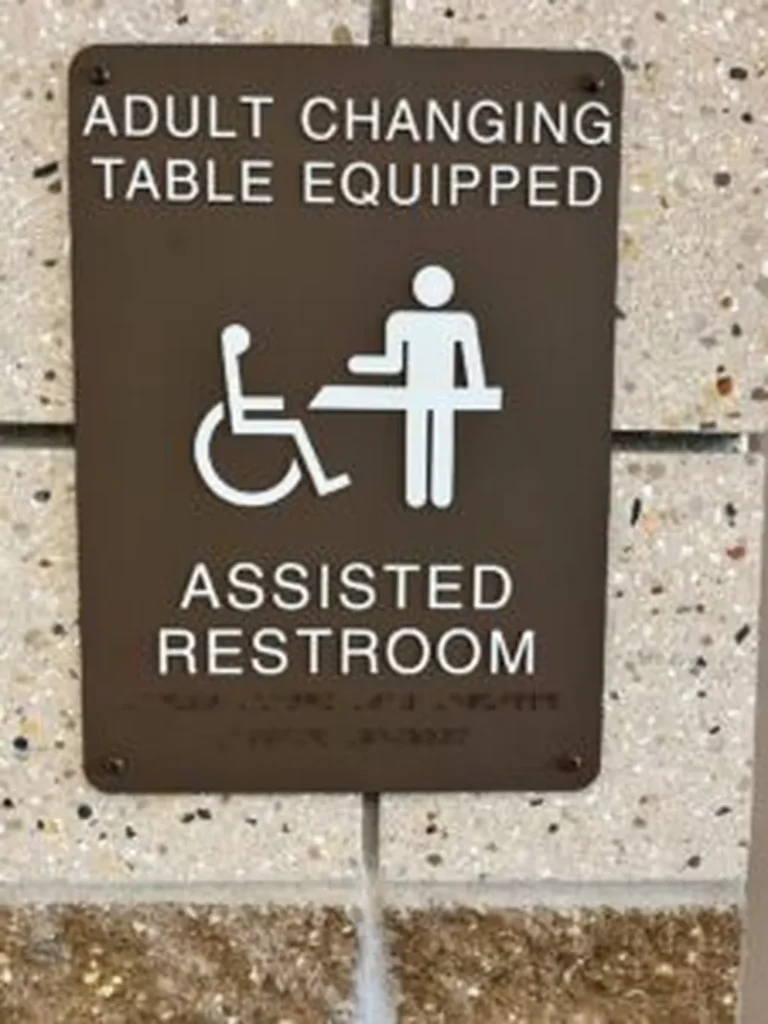
One of the most compelling findings is the necessity of combining text-based signs with pictograms. Mizuno notes, “When planning restroom signs for the elderly with dementia, it is essential to include text-based signs that explicitly indicate the restroom, as relying solely on pictograms may result in insufficient information.” This dual approach ensures clarity and comprehension, addressing the orientation disorders often experienced by individuals with dementia.
The study also provides specific guidelines for font size and placement. The appropriate font size for textual displays ranges from 50 to 90 millimeters, ensuring visibility and readability. Regarding placement, restroom signs should be displayed on the restroom door at a height of approximately 1300–1400 millimeters from the floor. However, Mizuno acknowledges the practical challenges: “In some group homes, restroom doors are operated in an open position, making the door surface unavailable as a display area. In such cases, it is necessary to consider displaying the signs on the surrounding wall surfaces.”
The commercial implications of this research are substantial. For the construction and design industry, these findings offer a roadmap for creating more effective and inclusive environments for elderly care facilities. By incorporating these specifications, developers can enhance the navigational experience for residents, ultimately improving their independence and quality of life.
Moreover, the study’s emphasis on non-pharmacological therapy underscores the growing trend towards holistic care approaches. This shift could drive demand for innovative design solutions that support cognitive health and well-being, opening new avenues for product development and service offerings.
As the population ages, the need for dementia-friendly environments will only increase. Mizuno’s research provides a timely and valuable framework for addressing these challenges. By integrating these findings into future projects, the construction industry can play a pivotal role in shaping a more inclusive and supportive built environment.
In conclusion, Mizuno’s study is a beacon of innovation in the field of elderly care design. Its insights into restroom signage offer practical solutions that can enhance wayfinding and promote independence. As the industry continues to evolve, this research will undoubtedly shape the future of dementia-friendly construction and design.