
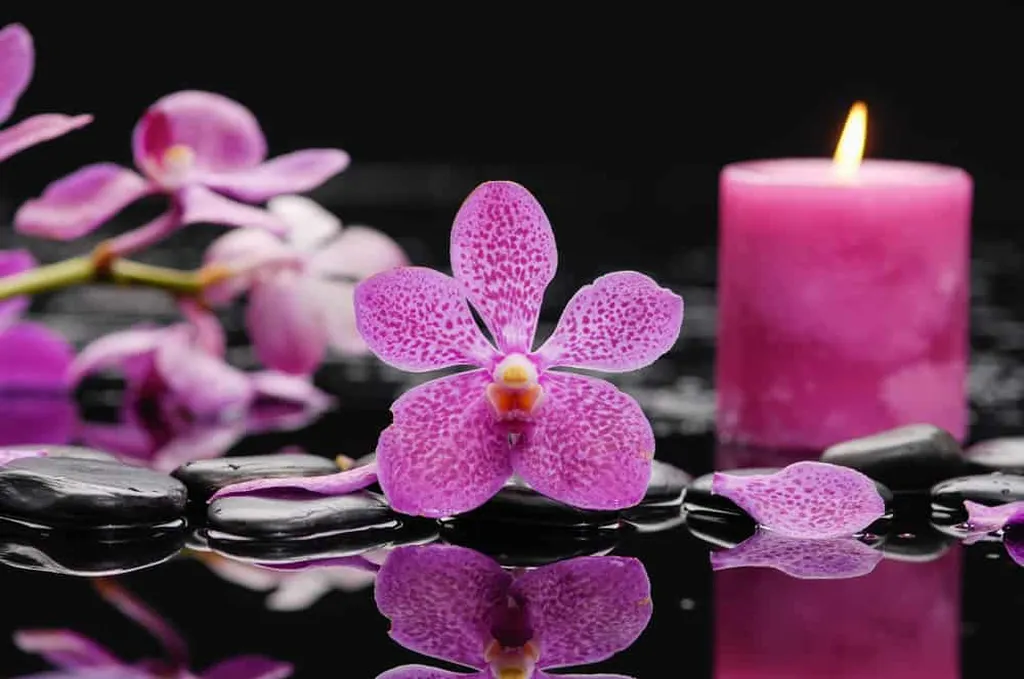
In the world of spa design, where every detail is meticulously crafted to evoke tranquility and promote well-being, one element has been quietly underutilized: scent. Specifically, the floral variety. A recent study published in *ARTEKS: Jurnal Teknik Arsitektur* (which translates to *ARTEKS: Journal of Architectural Engineering*) sheds light on the profound impact that floral scents can have on spa interiors, offering a fresh perspective on how to enhance the therapeutic experience for clients.
Siti Khadijah Binti Mohamad Noor, the lead author of the study, emphasizes the often-overlooked role of scent in interior design. “Interior smell is frequently overlooked in spa interior design, yet it can significantly impact the overall atmosphere of the area,” she notes. This oversight is particularly striking given that the sense of smell is deeply tied to human emotions and memories. By integrating floral scents into spa design, architects and designers can create a more immersive and healing environment.
The study, which employed both qualitative and quantitative methods, including a survey of 30 respondents, revealed that floral scents have a substantial positive impact on mood and emotions. This finding is not just academic; it has real-world implications for the spa industry. As more people seek out wellness experiences to combat stress and improve their well-being, spas that incorporate thoughtful scent design could gain a competitive edge.
The commercial impact of this research extends beyond the spa industry. The energy sector, which often intersects with building design and construction, could also benefit from a greater emphasis on sensory elements in interior spaces. For instance, offices, hotels, and even residential buildings could adopt similar principles to create environments that promote relaxation and productivity. By doing so, they could attract more clients and enhance the overall user experience.
The study also highlights the importance of using floral scents effectively. Not all scents are created equal, and the right combination can make a significant difference. “The emphasis of floral elements towards space will trigger human’s senses and be able to impact their mood and emotions,” explains Noor. This insight could lead to new collaborations between architects, interior designers, and aromatherapists, resulting in more holistic and sensory-rich spaces.
As the wellness industry continues to grow, the findings of this study could shape future developments in spa design and beyond. By recognizing the power of scent, designers can create spaces that are not only visually appealing but also emotionally resonant. This holistic approach to design could set a new standard for the industry, one that prioritizes the well-being of its clients.
In the end, the study serves as a reminder that the best designs are those that engage all the senses. As Noor’s research shows, the right scent can transform a space from merely functional to truly therapeutic. For the spa industry and beyond, this is a lesson worth taking to heart.