
In the heart of Indonesia, a groundbreaking study is reshaping our understanding of building envelopes and their impact on indoor temperatures. Hassan Gbran, a researcher at an undisclosed institution, has published a study in *ARTEKS: Jurnal Teknik Arsitektur* (translated to *ARTEKS: Journal of Architectural Engineering*) that could significantly influence architectural design and energy efficiency strategies.
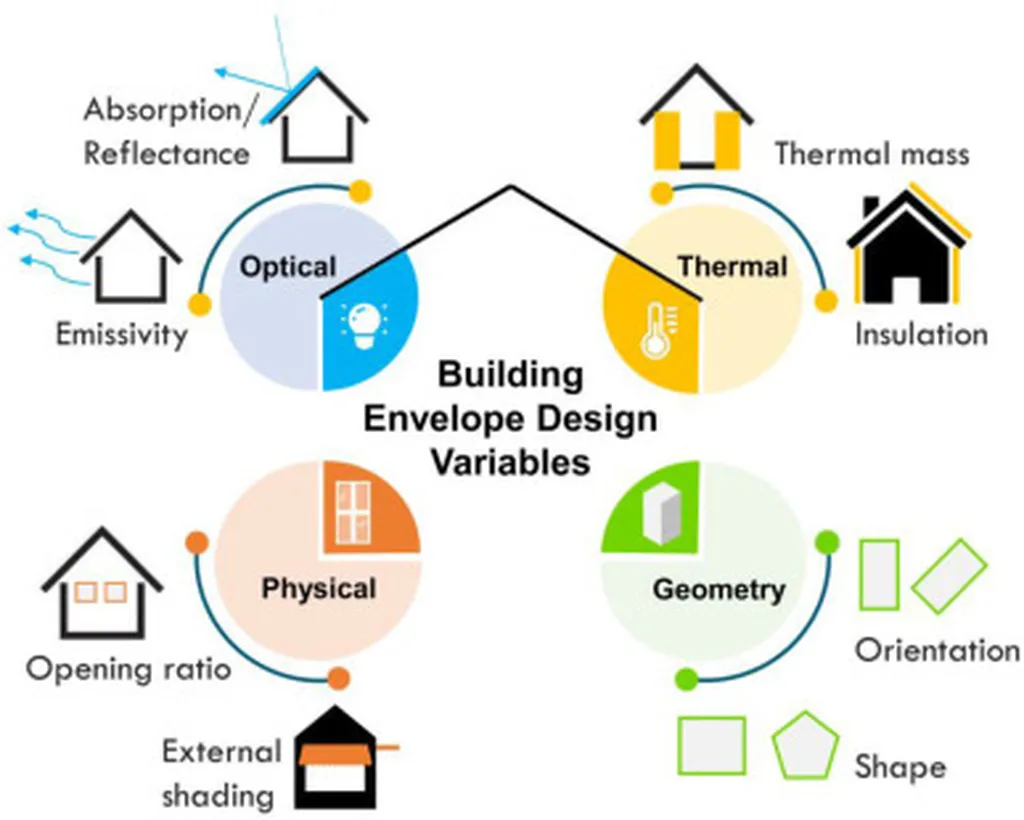
The research, titled “The Influence of Glass and Aluminium Composite Panel Building Envelopes on Indoor Temperature Rise,” delves into the thermal performance of glass and aluminum composite panels (ACP) in building envelopes. Conducted at the Central Laboratory Building of Diponegoro University, the study provides quantitative insights into how these materials can mitigate heat ingress, particularly during periods of inactivity.
Gbran’s findings are compelling. “We observed significant temperature reductions when glass and ACP materials were combined with brick walls,” Gbran explains. “This combination not only enhances thermal performance but also offers optimal orientations for minimizing heat gain, which is crucial for energy efficiency.”
The study’s implications for the energy sector are substantial. As buildings account for a significant portion of global energy consumption, the adoption of energy-efficient materials and designs can lead to considerable savings. Gbran’s research suggests that strategic use of glass and ACP in building envelopes can reduce the need for artificial cooling, thereby lowering energy consumption and costs.
Moreover, the research highlights the importance of orientation in building design. By positioning buildings to maximize the benefits of these materials, architects and builders can further enhance energy efficiency. “Our findings provide a roadmap for future building designs that prioritize sustainability and energy efficiency,” Gbran notes.
The study’s recommendations extend beyond immediate applications. It calls for further research into the long-term impacts of these materials and their potential integration with other sustainable technologies. This forward-looking approach could pave the way for innovative solutions in the architectural and energy sectors.
As the world grapples with the challenges of climate change and energy sustainability, Gbran’s research offers a beacon of hope. By leveraging the thermal performance of glass and ACP, we can create buildings that are not only aesthetically pleasing but also environmentally responsible. The study, published in *ARTEKS: Journal of Architectural Engineering*, is a testament to the power of research in driving sustainable development and shaping the future of the built environment.