
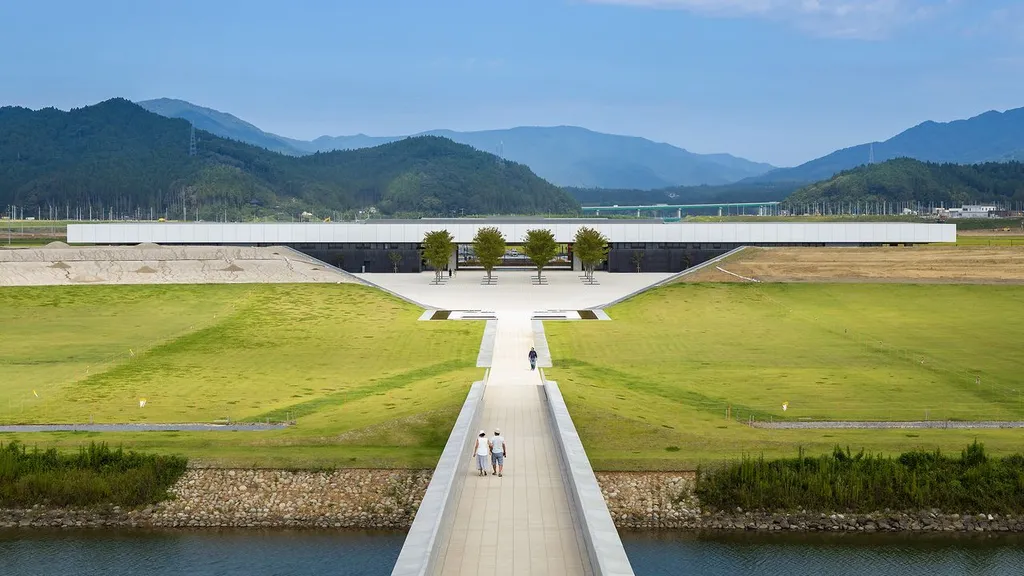
In the wake of the devastating Great East Japan Earthquake of 2011, Japan has seen the establishment of numerous earthquake memorial parks, designed to honor the victims and educate the public about disaster preparedness. However, the success of these parks hinges on the involvement and support of local communities. A recent study published in the *Japan Architectural Review* (known in English as the *Japanese Review of Architectural Planning*), led by Ryo Nishisaka of the Faculty of Global and Regional Studies at the University of the Ryukyus, sheds light on how residents perceive these memorial parks and their willingness to engage in their management and use.
Nishisaka and his team conducted a survey targeting residents of eight municipalities in Miyagi Prefecture, where several earthquake memorial parks are located. The findings reveal that 27% of respondents expressed a desire to use these parks regularly, while 15% were willing to participate in their management. These statistics suggest a significant, though not overwhelming, level of community interest.
The study also uncovered a correlation between residents’ familiarity with the parks and their willingness to participate in their management. “The more familiar residents are with these parks and the more personally relevant they find them, the more likely they are to engage in their upkeep and use,” Nishisaka explained. This insight underscores the importance of fostering a sense of connection and ownership among local communities.
For the construction and energy sectors, these findings hold valuable implications. Earthquake memorial parks are not just spaces for remembrance; they are also community hubs that can support local economies and enhance resilience. By understanding residents’ perceptions and willingness to participate, developers and planners can create more effective and sustainable disaster memorial spaces. This, in turn, can lead to stronger community ties and better disaster preparedness, ultimately benefiting the broader region.
The research also highlights the need for ongoing engagement and education efforts to ensure that these parks remain relevant and valuable to the communities they serve. As Nishisaka noted, “The success of these parks depends on continuous dialogue and collaboration between planners and residents.”
In the long run, this study could shape the future development of disaster memorial parks, not just in Japan but globally. By emphasizing the importance of community involvement, it sets a precedent for creating spaces that are not only memorials but also vibrant, functional, and sustainable parts of the urban landscape. As the world continues to grapple with the impacts of natural disasters, the lessons from this research could prove invaluable in building more resilient and connected communities.