
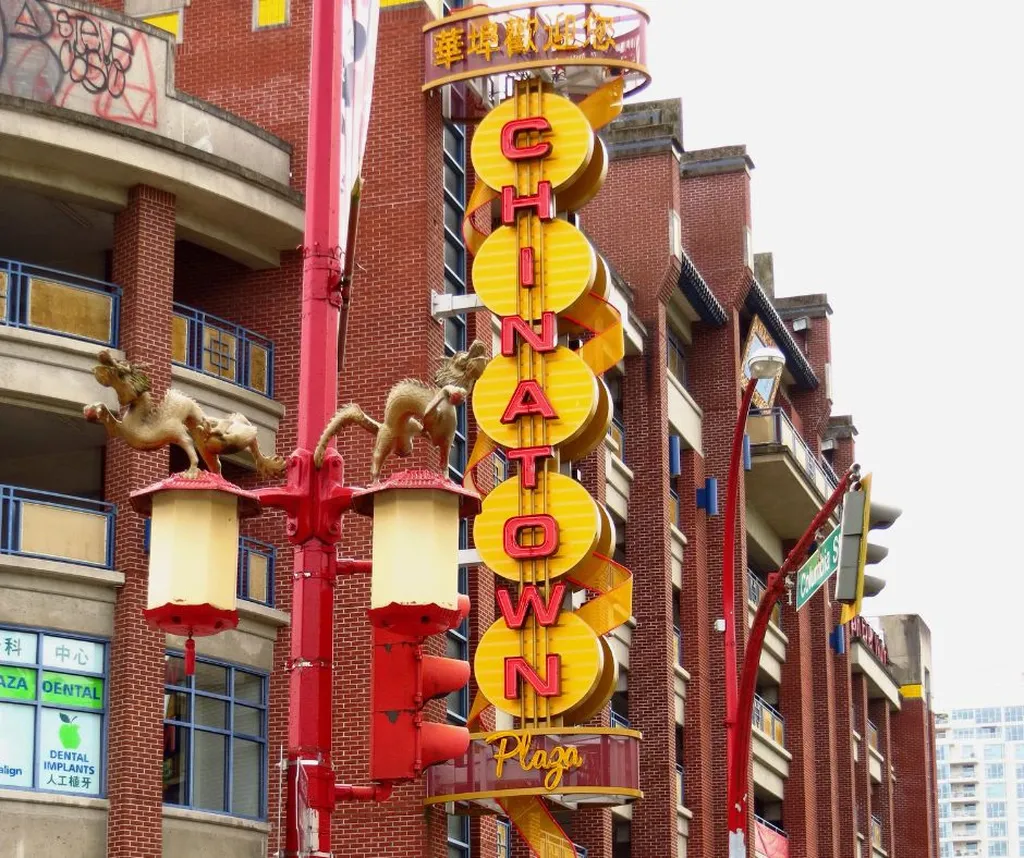
In the heart of Malang City, Indonesia, a unique urban phenomenon is unfolding along Pasar Besar Street, the main artery of the city’s Chinatown. This bustling area, a hub for commerce and residence for the Chinese community, is a living testament to the enduring influence of colonial-era policies and the dynamic interplay between public and private spaces. A recent study, published in the journal *ARTEKS: Jurnal Teknik Arsitektur* (translated as *ARTEKS: Journal of Architectural Technology*), sheds light on the intricate dynamics of this urban landscape, offering insights that could reshape future city planning and development.
Lead author Syaffin Humaira Hasibah, whose affiliation is not specified, delves into the concept of the public-private interface, a critical aspect of urban design that connects public spaces like sidewalks with private buildings. This interface, shaped by the British colonial policy of the five-foot way, has significantly influenced the physical and social fabric of Pasar Besar Street.
“The public-private interface is not just about physical structures; it’s about the social interactions and economic activities that thrive in these spaces,” Hasibah explains. Her research reveals a variety of interface typologies, including impermeable, direct, and setback types, each adapting to user behavior and the surrounding environment.
The study’s findings have profound implications for urban planners, architects, and investors in the energy sector. Understanding the public-private interface can help create more sustainable and vibrant urban areas, enhancing commercial viability and community engagement. For instance, the direct interface typology, where buildings open directly onto the street, can foster a lively atmosphere conducive to retail and dining establishments, potentially increasing foot traffic and sales.
Moreover, the adaptability of these interface typologies offers flexibility in urban design, allowing cities to evolve with changing needs and trends. “This adaptability is crucial for the sustainability of urban areas,” Hasibah notes. “It enables cities to remain relevant and vibrant, attracting investment and fostering economic growth.”
The research also highlights the importance of preserving historical and cultural elements in urban design. The five-foot way policy, for instance, has left a lasting legacy on Pasar Besar Street, shaping its unique character and identity. By understanding and preserving these elements, cities can create spaces that are not only functional but also culturally rich and historically significant.
As cities around the world grapple with urbanization and the need for sustainable development, the insights from this study offer a valuable roadmap. By focusing on the public-private interface, urban planners and developers can create spaces that are not only commercially viable but also socially and culturally enriching. This approach can help cities strike a balance between economic growth and community well-being, paving the way for a more sustainable and inclusive urban future.
In the words of Hasibah, “The public-private interface is a powerful tool for shaping urban areas. By understanding and leveraging this interface, we can create cities that are not only economically vibrant but also socially cohesive and culturally rich.” As we look to the future, the lessons from Pasar Besar Street serve as a reminder of the power of urban design in shaping our cities and our lives.