
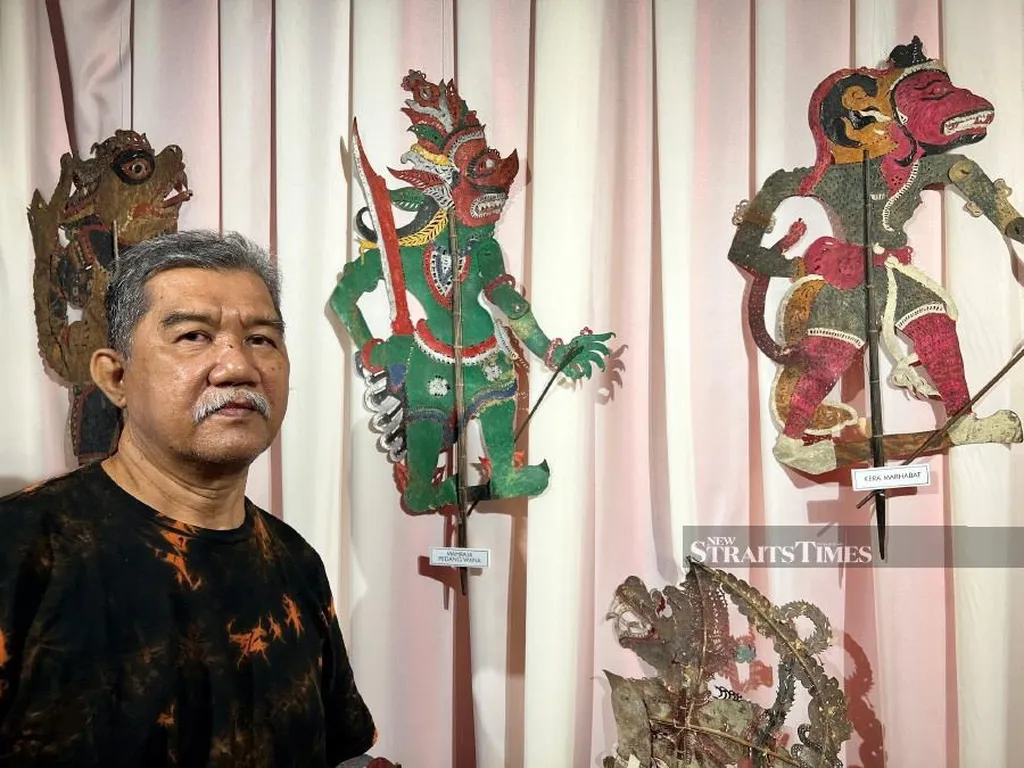
In the heart of Malaysia, a unique architectural narrative is unfolding, one that whispers tales of cultural fusion and historical interplay. Researchers have been delving into the intricate world of Kelantanese interior design, uncovering a rich tapestry of Siamese influences that have shaped the region’s aesthetic and cultural landscape. This research, led by Wan Noramira Shahidatul Ain Saharul, sheds light on a fascinating syncretism that has, until now, remained largely unexplored.
The study, published in ‘ARTEKS: Jurnal Teknik Arsitektur’ (which translates to ‘ARTEKS: Journal of Architectural Engineering’), reveals how Siamese cultural elements have seamlessly blended with traditional Kelantanese design, creating a distinctive architectural style. Despite the Siamese community making up only a tiny fraction of the population, their influence has been profound. “The arrival of Chinese traders who intermarried with the Siamese led to the development of the Peranakan Chinese community, resulting in a unique blend of Chinese and Siamese influences in Malaysia,” explains Wan Noramira.
This cultural amalgamation has given rise to artistic and architectural elements that are uniquely Kelantanese. However, the rapid pace of modernization threatens to erase these influences, making this research a timely and crucial endeavor. “Studying Siamese elements in traditional Kelantanese interior design is not just about preserving culture; it’s about fostering cross-cultural appreciation and understanding,” Wan Noramira emphasizes.
The research employed qualitative methods, including grounded theory, case studies, and ethnographic analysis, to uncover the depth of Siamese influences. The findings highlight Istana Jahar in Kota Bharu as a prime example of this syncretism, shaped by historical events and interactions between the Kelantanese, the Siamese, and colonial forces.
The implications of this research extend beyond cultural preservation. For the interior design and construction industries, understanding these influences can open up new avenues for design innovation and cultural tourism. By integrating traditional elements with modern design, professionals can create spaces that are not only aesthetically pleasing but also culturally significant.
Moreover, this research underscores the importance of preserving cultural heritage in the face of rapid modernization. As urbanization continues to reshape landscapes, there is a growing need for designs that respect and incorporate local cultural elements. This approach can enhance the authenticity and appeal of buildings, making them more than just structures but living testaments to a region’s history and culture.
In the broader context, this study serves as a reminder of the rich cultural tapestry that exists within Malaysia. It highlights the potential for cross-cultural exchange to enrich architectural design and foster a deeper appreciation of the country’s diverse heritage. As Wan Noramira’s research shows, the fusion of Siamese and Kelantanese influences is not just a historical footnote but a living, breathing part of Malaysia’s architectural identity.
For professionals in the construction and design sectors, this research offers a unique opportunity to engage with and preserve a vital aspect of Malaysia’s cultural heritage. By embracing these influences, they can contribute to the creation of spaces that are not only functional and beautiful but also deeply rooted in the country’s rich cultural history. In doing so, they can help ensure that the legacy of Siamese-Kelantanese syncretism continues to thrive and inspire future generations.