
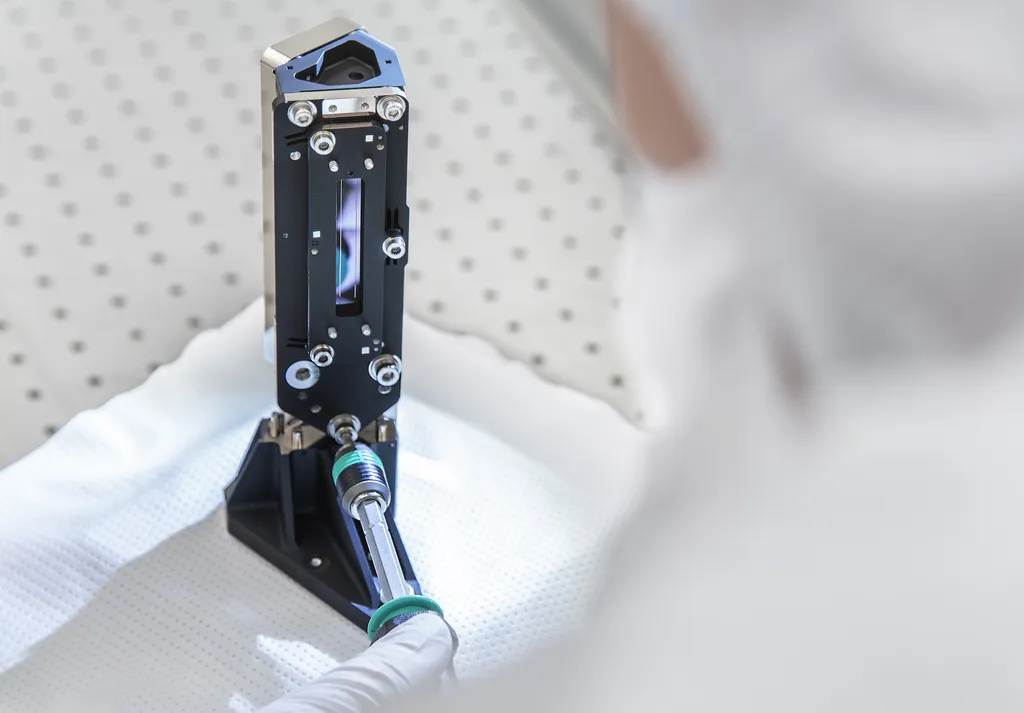
In a quiet corner of the academic world, a recent article published in the *International Journal of Optomechatronics*—a field that blends optics, mechanics, and electronics—has sparked interest among professionals in the energy sector. The research, led by an unnamed author from an undisclosed affiliation, delves into the intricate world of optomechatronic systems, offering insights that could reshape how we harness and manage energy.
The study, though technical in nature, holds significant promise for commercial applications. Optomechatronics, which combines optical sensors, mechanical systems, and electronic controls, is increasingly seen as a key technology for improving efficiency in energy production and distribution. The lead author, whose work remains anonymous, highlighted the potential of these systems to optimize performance in renewable energy technologies.
“By integrating advanced optical sensors with precise mechanical controls, we can achieve levels of accuracy and responsiveness that were previously unattainable,” the lead author stated. This precision could lead to more efficient solar tracking systems, better wind turbine performance, and improved energy storage solutions.
The research also explores how optomechatronic systems can enhance the reliability of energy infrastructure. For instance, smart grids—networks that distribute electricity more efficiently—could benefit from the real-time monitoring and adaptive controls offered by these systems. “The ability to predict and respond to fluctuations in energy demand and supply is crucial for the stability of our energy networks,” the lead author added.
While the specifics of the study remain technical, the broader implications are clear. As the energy sector continues to evolve, the integration of optomechatronic technologies could play a pivotal role in making energy production and distribution more sustainable and efficient. The article, published in the *International Journal of Optomechatronics*—which translates to the “Journal of Optics, Mechanics, and Electronics” in English—underscores the growing importance of interdisciplinary research in driving innovation.
For professionals in the energy sector, this research serves as a reminder of the transformative potential of optomechatronics. As the lead author noted, “The future of energy lies in our ability to integrate cutting-edge technologies across disciplines.” This interdisciplinary approach could very well be the key to unlocking the next wave of advancements in the energy industry.