
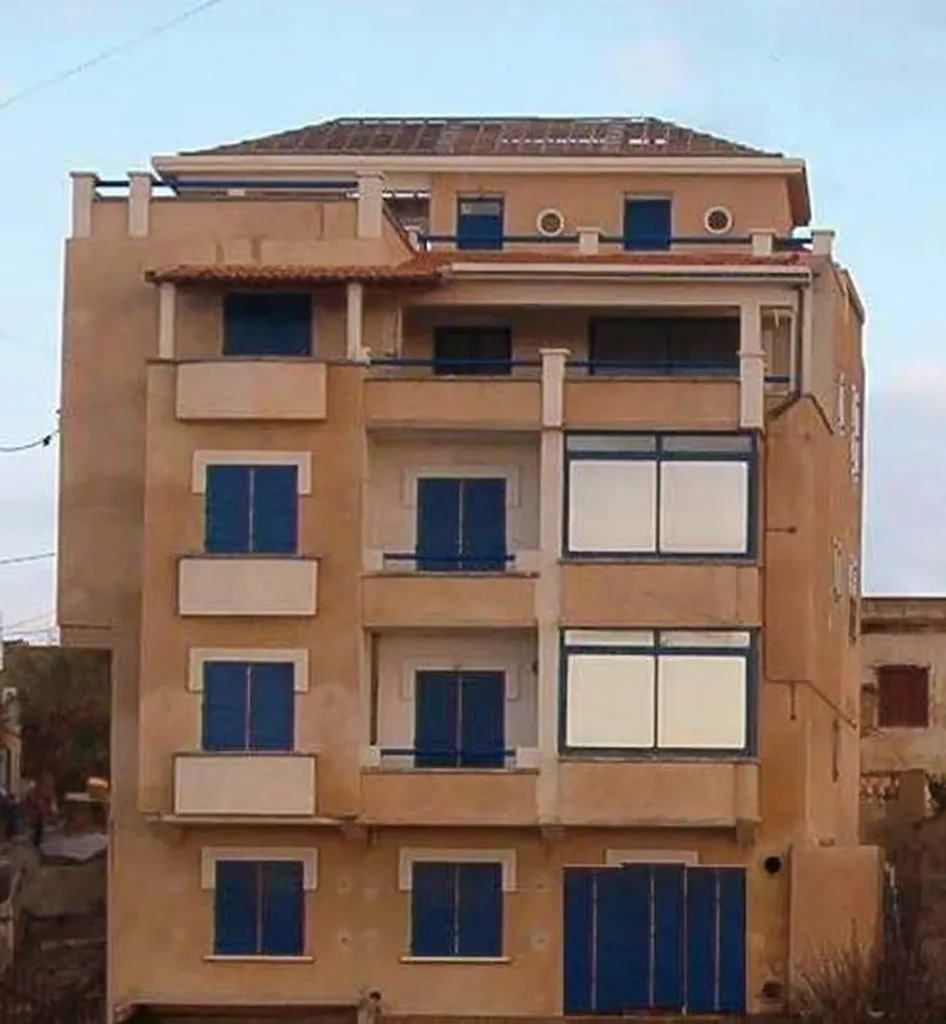
In the wake of devastating earthquakes like the 2003 Boumerdes disaster, the vulnerabilities of soft first-story buildings have become a pressing concern, particularly in densely populated urban areas. A recent study led by Kada Hamou from the University of Science and Technology of Oran, Algeria, published in the *International Journal for Computational Civil and Structural Engineering* (translated as the International Journal for Computational Civil and Structural Engineering), offers a compelling analytical approach to revising the Algerian seismic design code (RPA) to mitigate these risks.
Hamou’s research focuses on the critical flaws that led to the collapse of many buildings during the Boumerdes earthquake, particularly those with open retail spaces or parking areas on the first floor. “The first story of these buildings was often more flexible or weaker compared to upper stories,” Hamou explains. This structural weakness, combined with insufficient transverse reinforcement and the absence of shear walls, significantly compromised the buildings’ ability to withstand seismic forces.
The study employs the energy constant law as its analytical framework, modeling buildings using SAP2000 software and employing the Pushover analysis method to assess seismic behavior. The findings underscore the need for stricter guidelines in the Algerian Earthquake-Resistant Design Code (RPA), particularly for soft first-story buildings. “It is vital to implement stricter guidelines, particularly regarding the construction of soft first-story buildings,” Hamou emphasizes. These revisions aim to improve structural integrity and seismic resilience, reducing future risks during earthquakes.
The commercial implications of this research are substantial, especially for the energy sector. Buildings with soft first stories are often used for retail or parking, which are critical components of urban infrastructure. Enhancing the seismic resilience of these structures can minimize disruptions to business operations and ensure the safety of occupants. “By updating the seismic code with rigorous standards for the construction of soft first-story buildings, Algeria can enhance building safety and reduce the potential for catastrophic damage and loss of life in future seismic events,” Hamou notes.
This research could shape future developments in seismic design codes not only in Algeria but also in other regions with similar structural vulnerabilities. The emphasis on improving transverse reinforcement, incorporating shear walls, and ensuring uniform stiffness across stories offers a comprehensive approach to mitigating seismic risks. As urbanization continues to grow, the need for robust seismic design standards becomes increasingly critical. Hamou’s work provides a valuable framework for enhancing building safety and resilience, ultimately contributing to more sustainable and secure urban environments.