
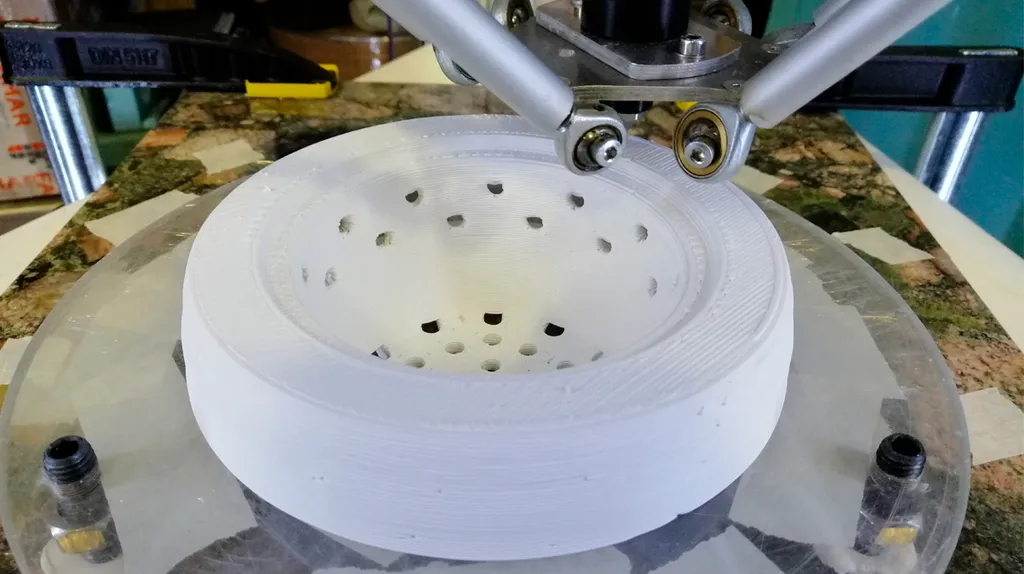
In the quest for cleaner and more efficient energy solutions, a recent study published in the *Nonconventional Technologies Review* (translated from Romanian as *Review of Nonconventional Technologies*) has shed light on a promising innovation in burner technology. Led by Lucian Paunescu of Daily Sourcing & Research SRL in Bucharest, the research explores the use of inert, open-cell porous ceramic materials to design non-conventional self-aspirating burners. These burners could potentially revolutionize the energy sector by enhancing combustion stability, speed, and reducing harmful nitrogen oxide emissions.
Paunescu and his team focused on two types of porous ceramic materials, each offering unique advantages. The first material, a glass foam, was created by expanding glass waste and coal fly ash, utilizing silicon carbide (SiC) as an expansion product. This process resulted in a permeable body ideal for the burning area of fuel-air mixtures. The method used to produce this porous piece was particularly innovative, employing an unconventional microwave heating technique that combined direct and indirect heating methods.
The second porous ceramic piece, sourced from Germany, was specifically designed for the combustion zone. When tested together in a burner, these materials demonstrated significant improvements in combustion performance. “The testing confirmed the viability of the innovative solution,” Paunescu noted, highlighting the potential of these materials to contribute to more efficient and environmentally friendly combustion processes.
The implications of this research for the energy sector are substantial. By increasing combustion stability and speed while reducing nitrogen oxide emissions, these advanced burners could lead to more efficient energy production and lower environmental impact. This could be particularly beneficial for industries that rely on burners for heating and power generation, offering a more sustainable and cost-effective solution.
As the world continues to seek cleaner energy alternatives, innovations like these are crucial. Paunescu’s work not only advances our understanding of porous burner technology but also paves the way for future developments in the field. The study’s findings, published in the *Review of Nonconventional Technologies*, provide a solid foundation for further research and commercial applications, potentially shaping the future of energy production.
In an era where sustainability and efficiency are paramount, this research offers a glimpse into the possibilities that lie ahead. As Paunescu’s work gains traction, it could inspire further innovations, driving the energy sector towards a cleaner and more efficient future. The journey towards sustainable energy is complex, but with each breakthrough, we move closer to a world powered by cleaner, more efficient technologies.