
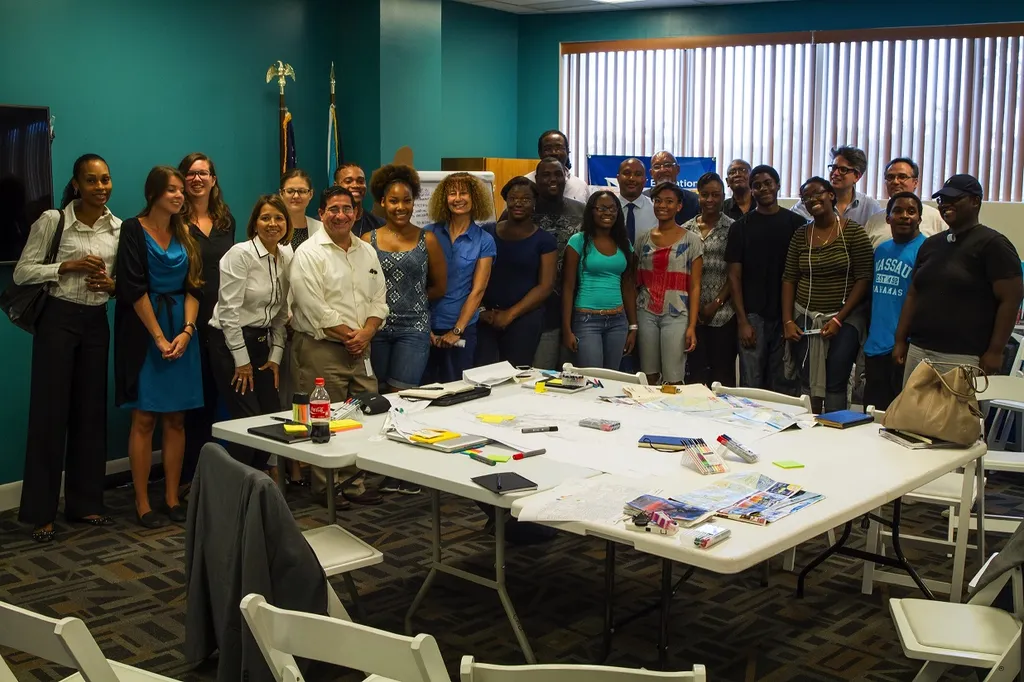
In the heart of Germany, two urban development projects are redefining the way cities grow and change, and the lessons they’re teaching could reshape participatory planning worldwide. Hanna Noller, a researcher at the Institute for History and Theory of Architecture and City at Technische Universität Braunschweig, has been studying these projects and her findings, published in the journal Buildings & Cities (translated from German as “Buildings & Cities”), offer a compelling look at the often-overlooked dynamics of urban development.
Noller’s research focuses on two living labs—Quartier:PLUS in Braunschweig and Österreichischer Platz in Stuttgart. These aren’t your typical construction sites; they’re experimental spaces where communities, institutions, and marginalized actors come together to shape their urban environments. But what sets these projects apart, and what makes them so crucial for the energy sector and beyond, is the role of multi-roles and code-switching.
Imagine a project where a single individual might be a community activist one moment and a mediator between institutions and residents the next. This is the reality in these living labs, where the ability to switch between roles—code-switching—and navigate diverse social and institutional contexts is key to success. “Multi-roles facilitate mediation between institutional, civil society, and marginalized actors,” Noller explains. “But they also entail risks, including overburdening and the reproduction of structural inequalities.”
This invisible labour of translation and mediation is particularly onerous for marginalized actors, and it’s a cost that often goes unrecognized. For the energy sector, this research highlights the importance of acknowledging and compensating for this labour. It’s not just about technical expertise; it’s about understanding the social dynamics at play.
Noller’s findings suggest that institutional support is essential for mitigating burnout, fostering inclusivity, and ensuring the long-term viability of participatory planning practices. This could mean embedding intermediation roles structurally within projects and advancing intersectional training for practitioners.
The implications for the energy sector are significant. As cities increasingly focus on sustainability and energy efficiency, participatory planning will play a crucial role. Understanding and addressing the dynamics of multi-roles and code-switching could be the key to successful, inclusive, and sustainable urban development.
Noller’s research is a call to action for practitioners, municipalities, and funding institutions. It’s a reminder that urban development is not just about bricks and mortar; it’s about people, their roles, and the often-invisible labour that goes into shaping our cities. As the energy sector continues to evolve, these lessons will be invaluable in creating more inclusive and sustainable urban environments.