
In the ever-evolving world of urban design, education is the bedrock upon which future cities are built. A recent special issue in the *Journal of Design for Resilience in Architecture and Planning* (translated from Turkish as *Journal of Design for Resilience in Architecture and Planning*) sheds light on the dynamic landscape of urban design education, offering a global perspective on how pedagogies are shaped, challenged, and reconfigured. Led by Irmak Yavuz Özgür of TED University, this collection of viewpoints, research articles, and book reviews reveals a field in flux, adapting to shifting urban agendas, institutional changes, and technological advancements.
Urban design education is not a static discipline; it is a living, breathing entity that evolves in response to the world around it. “Urban design pedagogies are contingent, adaptive, and shaped by shifting urban agendas, institutional organizations, agency of academic communities, and technological transformations,” Özgür explains. This adaptability is crucial, as the cities of tomorrow will demand a new breed of designers equipped to tackle complex challenges, from sustainability to resilience.
The special issue highlights the studio as a critical site where disciplinary foundations, core competencies, and professional capacities are negotiated. It’s here that enduring questions of legitimacy, specialization, professional recognition, technological mediation, and ethical formation are addressed. As Özgür notes, “The studio is where the rubber meets the road, where theory translates into practice, and where the next generation of urban designers is shaped.”
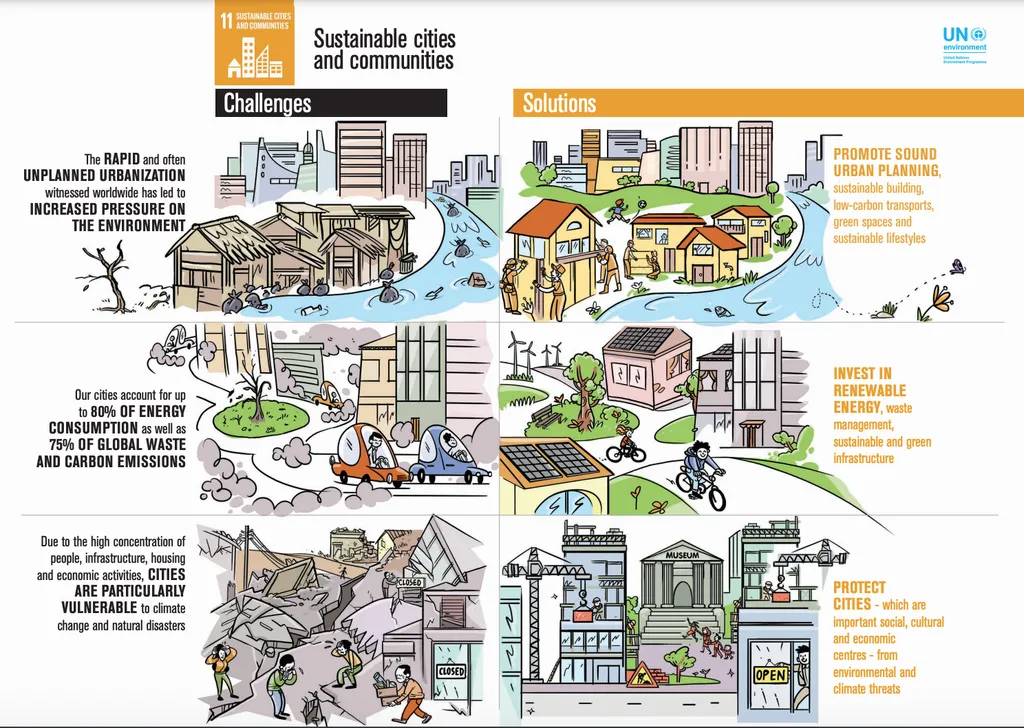
For the energy sector, this research holds significant implications. As cities grow and evolve, so too does their energy demand. Urban designers play a pivotal role in shaping energy-efficient cities, integrating renewable energy sources, and promoting sustainable practices. By broadening the perspective of urban design education, we can foster a new generation of designers who are not only technically proficient but also socially and environmentally conscious.
The contributions to this special issue reveal a field that is constantly redefining itself, adapting to new challenges, and embracing technological transformations. As Özgür puts it, “Urban design education is not just about teaching students to design cities; it’s about preparing them to shape the future.” This forward-thinking approach is essential for the energy sector, as it seeks to develop innovative solutions for a sustainable future.
In conclusion, this special issue serves as a call to action for educators, practitioners, and policymakers to rethink urban design education. By embracing a broader perspective, we can prepare the next generation of urban designers to tackle the complex challenges of the 21st century. As the energy sector continues to evolve, the insights gleaned from this research will be invaluable in shaping sustainable, resilient, and energy-efficient cities.