
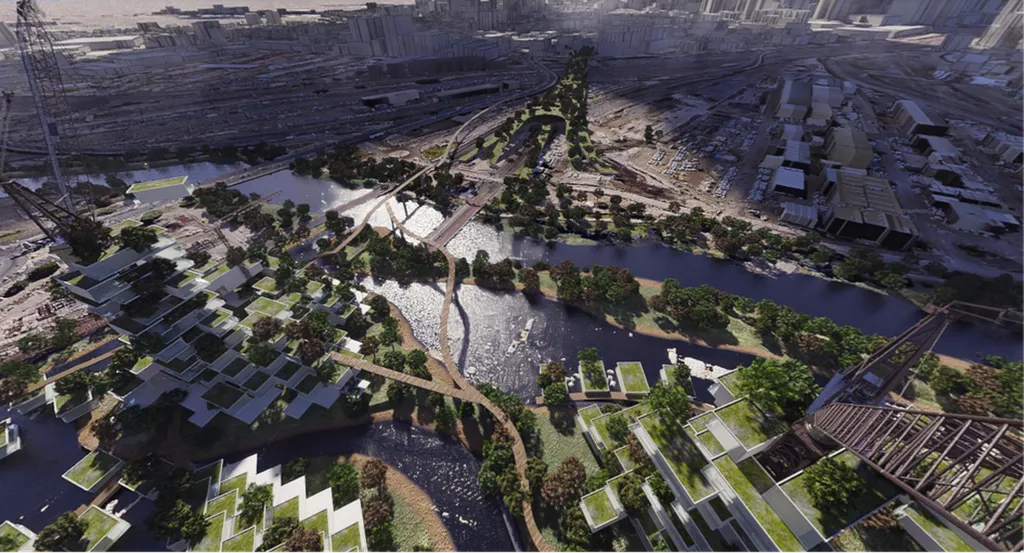
In the heart of Melbourne, a bold experiment in urban design education is unfolding, one that could reshape how cities are planned and built in the face of unprecedented global challenges. Onur Tümtürk, an associate professor at TED University, has led a study published in the *Journal of Design for Resilience in Architecture and Planning* (translated from Turkish as *Journal of Design for Resilience in Architecture and Urban Planning*), that examines how the Master of Urban Design program at the University of Melbourne is redefining the future of urban design pedagogy.
The program, known as the “grounded projection” approach, is a response to the urgent need for urban designers who can navigate the complexities of ecological emergencies, socio-political risks, and technological transitions. Tümtürk’s research highlights how this innovative curriculum systematically integrates analytical rigor with speculative imagination, preparing students for a profession that is rapidly evolving.
The program’s structure is meticulously designed. Students begin by mastering rule-based design thinking, delving into urban morphology, design codes, and regulations. They then collaborate with industry partners to tackle pressing issues of social equity and public health. Finally, they expand their temporal vision to envision climate-adapted and technologically augmented urban futures that span multiple generations. This progression is capped by a thesis studio where students pursue individual research expertise.
“Melbourne is not just a case study; it’s a living laboratory,” Tümtürk explains. “Students develop profound contextual knowledge, which allows them to envision transformative urban futures while maintaining disciplinary rigor.”
The implications for the energy sector are significant. As cities grapple with the need for sustainable and resilient infrastructure, the grounded projection approach could produce a new generation of urban designers capable of integrating advanced energy solutions into their plans. This could lead to more efficient, sustainable, and resilient urban environments, ultimately benefiting both the energy sector and the communities they serve.
The program’s success lies in its ability to balance speculation with grounded understanding. By drawing intelligently and creatively from a deep knowledge of urban design practice, students are empowered to envision and implement transformative changes. This approach could set a new standard for urban design education worldwide, shaping the future of how cities are planned and built.
As Tümtürk’s research suggests, the grounded projection approach is not just about preparing students for the challenges of today but equipping them to anticipate and address the challenges of tomorrow. In an era of rapid urbanization and climate change, this could be the key to creating cities that are not only resilient but also visionary.