
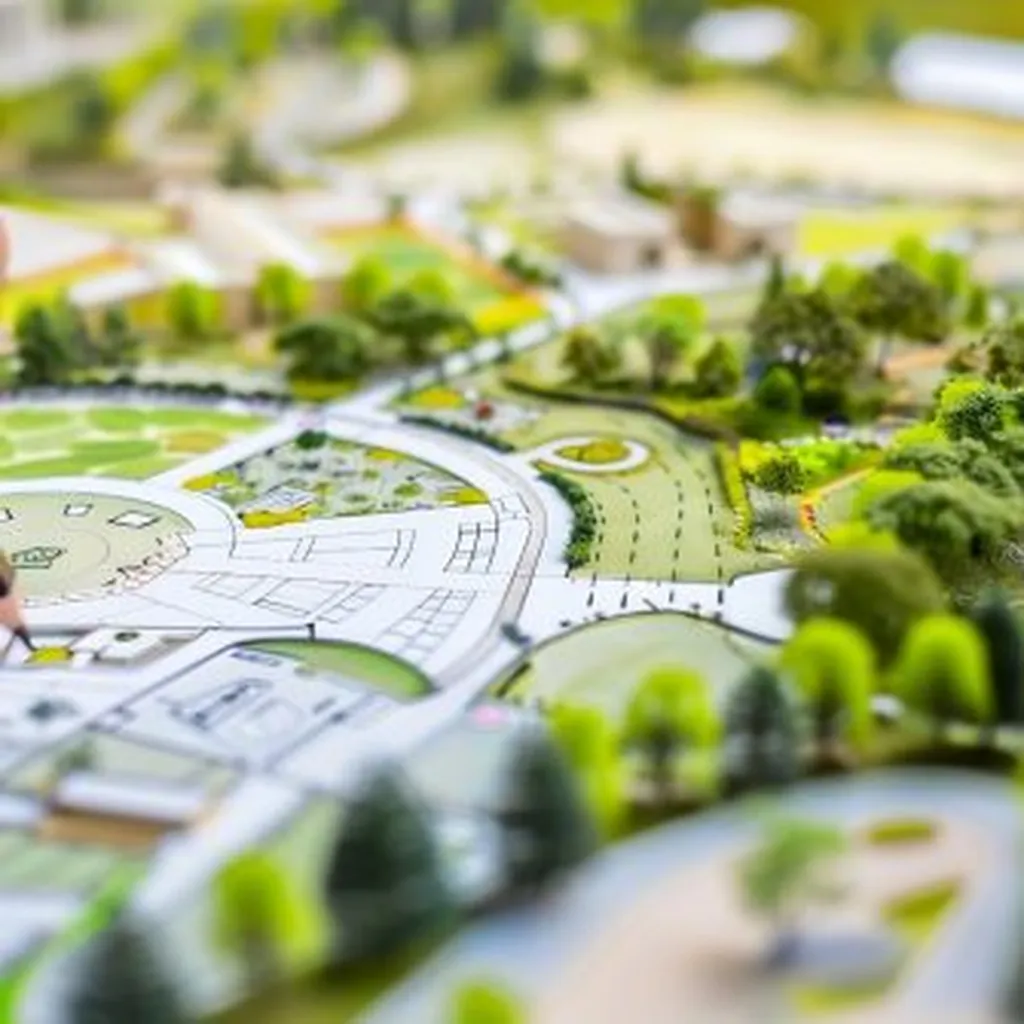
In the ever-evolving landscape of urban design education, a recent study published in the *Journal of Design for Resilience in Architecture and Planning* (translated as *Journal of Resilient Design in Architecture and Planning*) sheds light on the critical need for transdisciplinary approaches in shaping the future of urban design studios (UDS). Led by Jodi Lawton from UNSW Sydney, the research delves into the complexities of postgraduate urban design education in Australia, offering insights that could reshape how we teach and practice urban design.
The study, titled “The MUDD program, UNSW: The centrality of transdisciplinary curricula in urban design studio (UDS): A phenomenographic exploration of factors impacting urban design studio curricula,” employs phenomenography, a qualitative research method rooted in educational science, to explore the drivers behind curricular transformation. These drivers include managerialism, neoliberal ideologies, and the persistent identity crisis within the field of urban design.
Lawton’s research highlights the former Master of Urban Development and Design (MUDD) curriculum at UNSW Sydney as a case study, demonstrating the potential of transdisciplinary methods in urban design education. “The MUDD program exemplifies the adoption of transdisciplinary methods and teaching, learning, and curricula theories in urban design education,” Lawton explains. “It underscores the urgent need for improved pedagogical training for faculty.”
The study identifies three key findings that could significantly impact the future of urban design education. First, it reveals that Urban Design Studios often operate in disciplinary silos, hindering the integration of urban systems. Second, while there is some support for transdisciplinary methods, practitioners’ understanding of UDS pedagogy remains limited. Third, there is a critical need for educational science training for higher education instructors within the Australian Higher Education Institutional context.
These findings underscore the urgency of adopting transdisciplinary approaches in urban design education, with implications for policy development and enhanced educational outcomes within the Built Environment field. As Lawton notes, “Our research identifies the need for a more holistic approach to urban design education, one that breaks down silos and fosters a deeper understanding of urban systems.”
The implications of this research extend beyond academia, potentially shaping the future of urban design practice. By fostering a more transdisciplinary approach, urban design programs can better prepare students to tackle the complex challenges of urbanization, sustainability, and resilience. This, in turn, could lead to more innovative and effective solutions in the built environment, benefiting both the energy sector and the broader community.
As the field of urban design continues to evolve, Lawton’s research serves as a timely reminder of the importance of adaptability and innovation in education. By embracing transdisciplinary approaches and investing in pedagogical training, urban design programs can better equip the next generation of designers to meet the challenges of the future.