
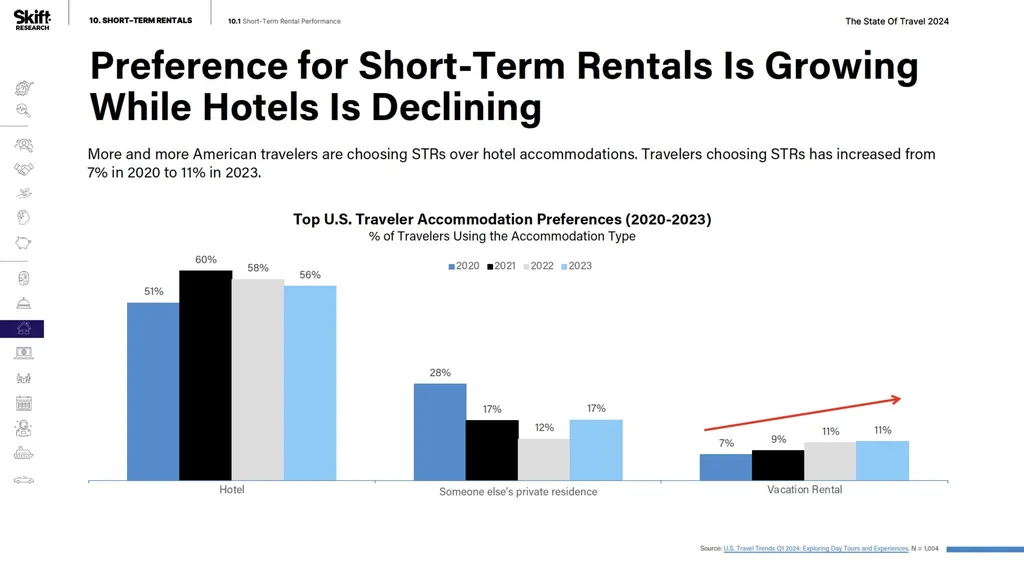
In the bustling coastal city of Varna, a new study is making waves in the world of real estate investment, particularly in the short-term rental market. Led by Явор Николов from the University of Economics – Varna, the research published in ‘Строително предприемачество и недвижима собственост’ (Construction Entrepreneurship and Real Estate) delves into the profitability of investing in properties for short-term rentals, a sector that has seen significant growth with the rise of online platforms like Airbnb.
Varna, with its stunning Black Sea coastline and rich history, attracts a substantial tourist flow, making it an appealing market for short-term rental investments. However, the study reveals a complex picture, highlighting both opportunities and challenges. “The potential for higher income per night is a significant draw,” explains Николов, “but investors must also grapple with intense seasonality, high operational demands, and a competitive market.”
The research, which analyzed data from platforms like AirDNA, Airbtics, and Booking.com, as well as local registries, paints a vivid portrait of Varna’s short-term rental landscape. It shows that while the city can offer lucrative returns, the market is highly seasonal, with peak demand during the summer months. This seasonality poses a risk to investors who may face lower occupancy rates and income during the off-peak periods.
Moreover, the study compares Varna’s market with that of Sofia, the capital city. Unlike Varna, Sofia’s market is more stable throughout the year, driven by both business and leisure travelers. “Sofia’s market profile is different,” notes Николов. “It’s less about seasonal tourism and more about consistent demand, which can provide a steadier income stream.”
The research also underscores the importance of regulatory frameworks and the role of online platforms in shaping the market. As the short-term rental sector continues to evolve, investors, property managers, and local authorities must navigate these dynamics to ensure sustainable growth.
For the energy sector, this research could have significant implications. As short-term rentals become more popular, there is a growing demand for energy-efficient properties that can attract eco-conscious travelers. This trend could drive investments in renewable energy sources and smart home technologies, ultimately reducing the carbon footprint of the tourism industry.
The study offers valuable recommendations for stakeholders. Investors are advised to carefully consider the seasonal nature of the market and diversify their income streams. Property managers should focus on optimizing occupancy rates and enhancing guest experiences. Local authorities, meanwhile, should work towards creating transparent and supportive regulatory environments.
As the short-term rental market continues to evolve, this research serves as a crucial guide for those looking to navigate its complexities. By understanding the unique dynamics of markets like Varna and Sofia, investors can make more informed decisions, ultimately contributing to a more sustainable and profitable real estate sector.