
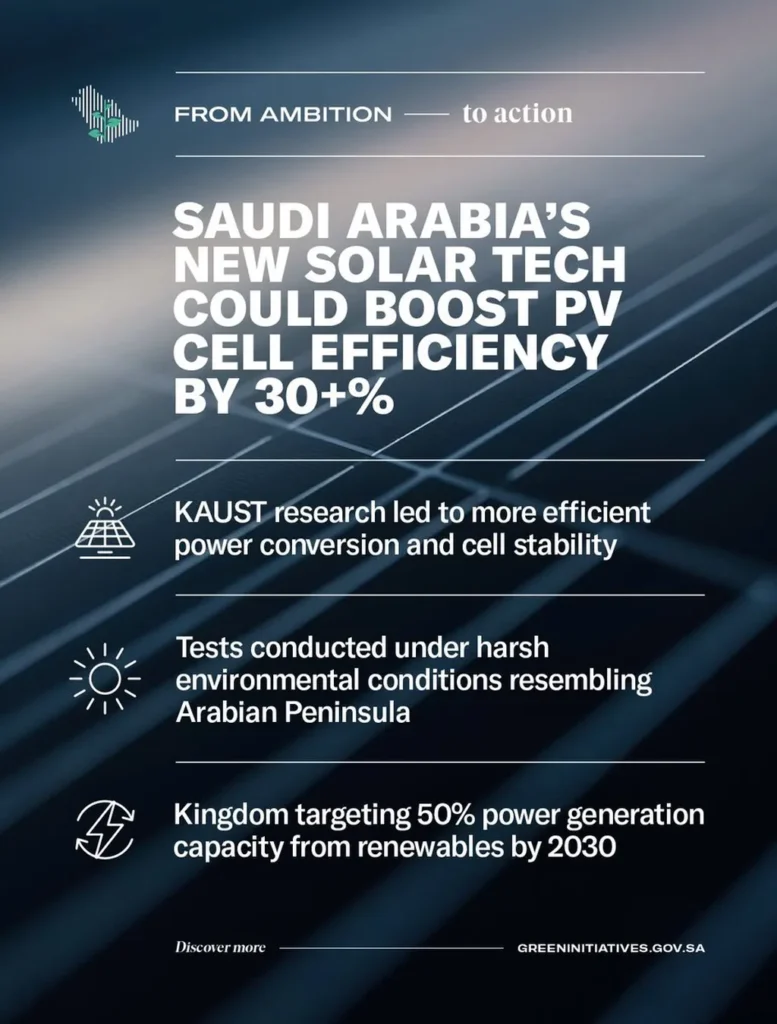
In the quest for more efficient and sustainable energy solutions, researchers are increasingly turning to organic solar cells (OSCs) as a promising alternative to traditional silicon-based photovoltaics. A recent study, led by Mohammed Saleh Alshaikh from the Device Simulation Laboratory at Umm Al-Qura University in Saudi Arabia, has harnessed the power of machine learning to predict the performance of these next-generation solar cells, potentially accelerating their development and commercialization.
The study, published in the International Journal of Emerging Research in Engineering, Science, and Management (known in English as “Journal of Emerging Research in Engineering, Science, and Management”), employs advanced machine learning techniques to analyze the molecular, electronic, and structural properties of donor and acceptor materials used in OSCs. By doing so, the researchers aim to predict key performance metrics such as power conversion efficiency (PCE), short-circuit current density (JSC), open-circuit voltage (VOC), and fill factor (FF).
Alshaikh and his team utilized three machine learning models: the Generalized Regression Neural Network (GRNN), Support Vector Machine (SVM), and Tree Boost. The models were trained and evaluated using an experimentally reported dataset compiled by Sahu et al. The results showed that material characteristics such as polarizability, bandgap, dipole moment, and charge transfer are statistically associated with OSC performance.
The GRNN model, in particular, demonstrated consistently lower prediction errors compared to SVM and Tree Boost models. “The GRNN model showed remarkable predictive performance, which suggests that it can be a valuable tool for researchers and industry professionals working on organic solar cells,” Alshaikh explained.
The study also performed a sensitivity analysis to assess the relative importance of predictor variables and to examine the influence of kernel functions on GRNN performance. The findings indicate that machine learning models, particularly GRNN, can serve as effective data-driven tools for predicting the performance of organic solar cells and supporting computational screening studies.
The implications of this research for the energy sector are significant. By providing a more accurate and efficient way to predict the performance of OSCs, these machine learning models can help streamline the development process, reduce costs, and accelerate the commercialization of this promising technology. “This research opens up new avenues for the optimization and deployment of organic solar cells, bringing us one step closer to a more sustainable energy future,” Alshaikh added.
As the world continues to seek innovative solutions to the challenges of climate change and energy sustainability, the integration of machine learning and renewable energy technologies offers a glimpse into the future of the energy sector. This study not only highlights the potential of organic solar cells but also underscores the transformative power of data-driven approaches in shaping the future of energy.