
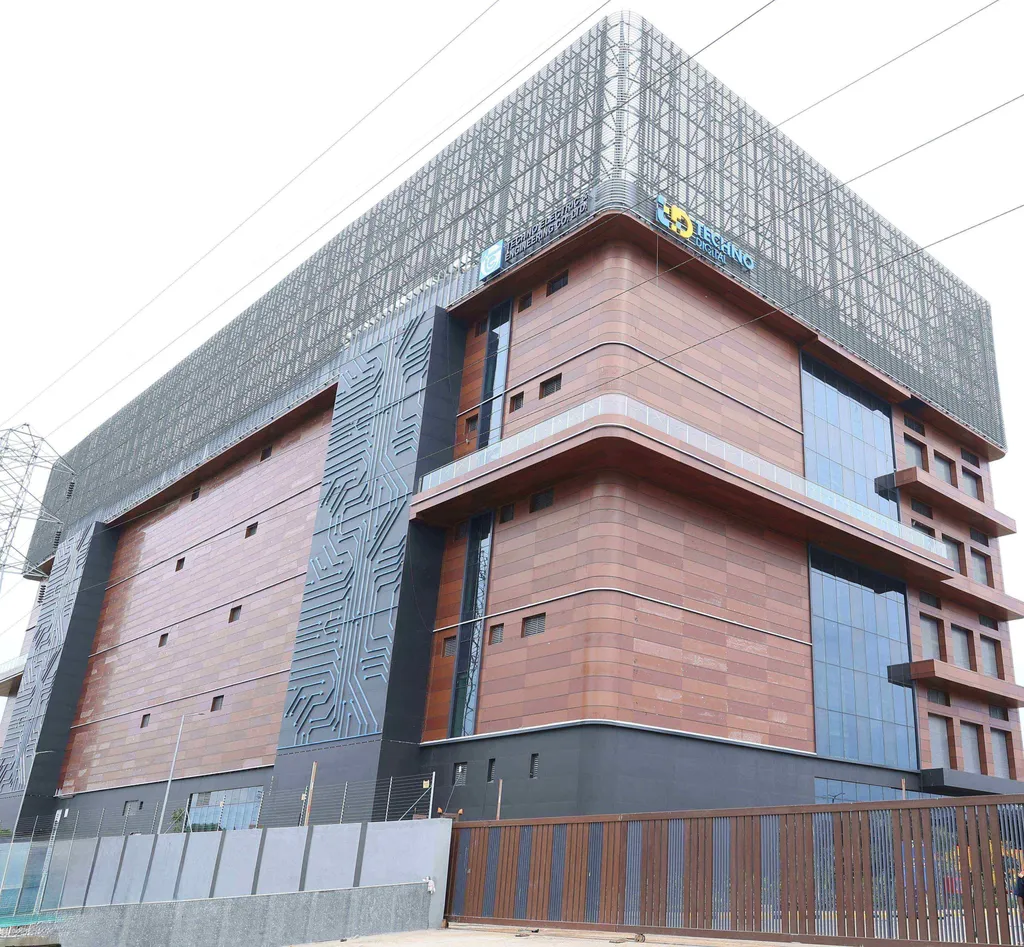
In the bustling construction sector of Chennai, a new study is shedding light on how customer awareness and perceptions are shaping the adoption of cutting-edge façade technologies and AI-driven building innovations. Led by K. Rajaprabakaran from the Department of Management Studies at Bharath Institute of Higher Education and Research, the research published in *Discover Civil Engineering* (which translates to *Explore Civil Engineering* in English) offers a nuanced look at the challenges and opportunities in this rapidly evolving market.
The study, which surveyed 250 key stakeholders, reveals a significant gap in awareness regarding advanced façade systems, even as AI-based building management applications gain moderate familiarity. “Awareness is a critical predictor of adoption intention,” Rajaprabakaran notes. “Our findings show that when customers are informed about the benefits of these technologies, they are more likely to embrace them.”
This insight is particularly relevant for the energy sector, where smart buildings and efficient façade systems can drastically reduce energy consumption and operational costs. The study highlights that cost perceptions, technological complexity, and trust issues are major barriers to adoption. “Customers need to see the tangible benefits and understand how these technologies can save them money in the long run,” Rajaprabakaran explains.
The research integrates the Technology Acceptance Model (TAM) and the Diffusion of Innovation (DOI) framework to provide a comprehensive analysis of how dual-technology building innovations are perceived and adopted. By combining quantitative data with qualitative insights, the study offers a holistic view of the market dynamics.
For manufacturers, developers, and policymakers, the findings underscore the importance of targeted marketing and education initiatives to bridge the awareness gap. “We need to demystify these technologies and make them more accessible,” Rajaprabakaran suggests. “This will not only drive adoption but also pave the way for more sustainable and energy-efficient construction practices.”
As the construction sector in Chennai and other emerging markets continues to evolve, this research could shape future developments by highlighting the need for informed customer engagement. By addressing the concerns and perceptions of key stakeholders, the industry can accelerate the adoption of smart building technologies, ultimately benefiting the energy sector and contributing to a more sustainable future.