
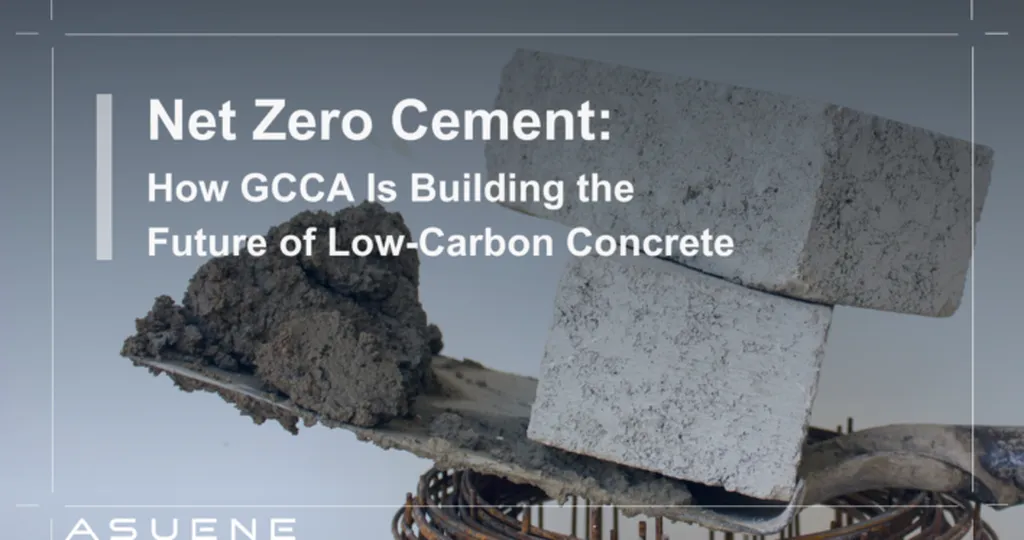
In the quest to reduce carbon emissions, the construction industry is turning to innovative solutions, and a recent study offers a promising path towards net-zero-carbon concrete. Published in the journal *Advances in Civil and Architectural Engineering* (translated from Arabic as “Advances in Civil and Architectural Engineering”), the research led by Abdelrahman El Bialy from The American University in Cairo’s Department of Construction Engineering, explores groundbreaking approaches to making concrete production more sustainable.
The study investigates the use of geopolymer mixes as alternatives to traditional Portland cement, a significant source of carbon dioxide emissions. “The full replacement using a geopolymer was a significant step towards net-zero carbon emissions,” El Bialy explains. “It yielded higher strength and durability than ordinary Portland cement concrete.” This finding is a game-changer, as concrete is one of the most widely used materials in construction, and its production accounts for a substantial portion of global carbon emissions.
The research also examined the incorporation of various admixtures, such as titanium dioxide, zinc oxide, and biochar, alongside partial replacements like ground granulated blast furnace slag (GGBS). These additions not only enhanced the properties of the concrete but also contributed to reducing its carbon footprint. “The use of admixtures like titanium dioxide and biochar effectively enhanced geopolymer concrete while increasing its carbon dioxide absorption,” El Bialy notes.
The implications for the energy sector are substantial. As the world shifts towards sustainability, the demand for low-carbon construction materials is on the rise. This research provides a viable solution that could reshape the industry’s approach to concrete production. The enhanced strength and durability of geopolymer concrete, coupled with its environmental benefits, make it an attractive option for future construction projects.
Moreover, the study’s findings could influence policy and regulatory frameworks, encouraging the adoption of greener building materials. As governments and organizations worldwide commit to reducing carbon emissions, innovations like these will play a crucial role in achieving net-zero targets.
In summary, El Bialy’s research offers a compelling vision for the future of concrete production. By embracing geopolymer mixes and innovative admixtures, the construction industry can significantly reduce its carbon footprint while maintaining the structural integrity and durability of buildings. This study is a step forward in the journey towards a more sustainable and environmentally friendly construction sector.