
In the heart of Europe, where the Carpathian Mountains stretch across Ukraine, a rich tapestry of architectural history is unfolding, offering insights that could shape the future of construction and energy efficiency. Dr. Vitalii Vasylyshyn, a researcher from Ivano-Frankivsk National Technical University of Oil and Gas, has delved into the architectural evolution of this region, revealing how traditional building techniques could inspire modern sustainable practices.
The Carpathian region, with its diverse natural conditions and cultural heritage, presents a unique case study. “The development of architecture here has always been in harmony with the environment,” Vasylyshyn explains. “This interaction has led to the creation of structures that are not only aesthetically pleasing but also highly functional and sustainable.”
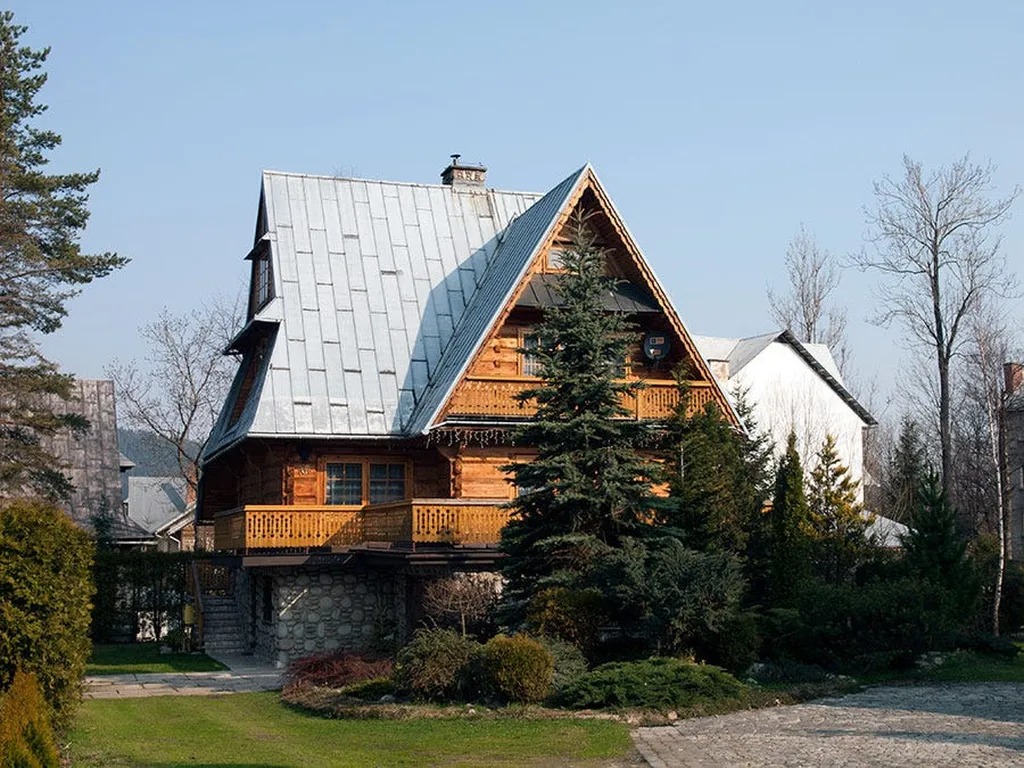
One of the most striking features of Carpathian architecture is its use of local materials, particularly wood. Traditional wooden churches, many of which are UNESCO World Heritage Sites, exemplify this. These structures, with their intricate carvings and symbolic designs, are not just religious monuments but also testaments to the region’s rich cultural heritage. “The wooden churches of the Hutsul and Boykiv regions are a unique architectural phenomenon,” Vasylyshyn notes. “Their compositional structure and decorative elements reflect a deep spirituality and high level of craftsmanship.”
The implications for the construction industry are significant. As the world grapples with climate change and the need for sustainable building practices, the Carpathian region’s architectural heritage offers valuable lessons. The use of local materials, organic integration with the landscape, and energy-efficient designs are all principles that could be applied to modern construction.
Moreover, the study highlights the role of architecture in shaping cultural identity and social cohesion. In a world increasingly dominated by globalized architecture, the Carpathian region’s unique architectural style serves as a reminder of the importance of preserving local traditions and cultural heritage.
The research, published in the journal ‘Дороги і мости’ (translated to English as ‘Roads and Bridges’), provides a comprehensive overview of the architectural development in the Carpathian region. It traces the evolution of architectural styles from the Old Russian period to the Baroque, Classicism, and Art Nouveau eras, offering a rich tapestry of historical and cultural insights.
As the world looks towards a more sustainable future, the lessons from the Carpathian region’s architectural heritage could prove invaluable. By integrating traditional building techniques with modern technology, the construction industry could make significant strides towards sustainability and energy efficiency. The research by Dr. Vasylyshyn not only sheds light on the rich architectural history of the Carpathian region but also offers a roadmap for the future of construction.