
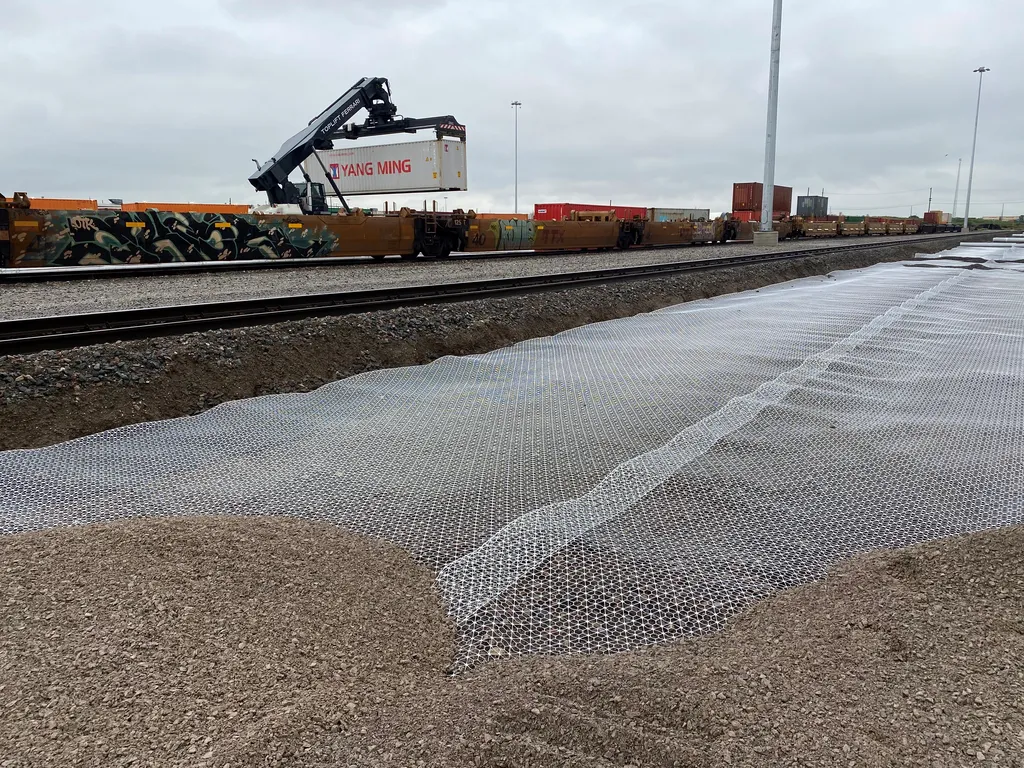
In the ever-evolving world of construction, geosynthetics have emerged as a game-changer, particularly in road and rail infrastructure. A recent article published in the Ukrainian journal ‘Дороги і мости’ (translated as ‘Roads and Bridges’) delves into the regulatory landscape of geosynthetics in Germany, Britain, and Poland, offering insights that could reshape how we build and maintain transportation networks.
Janusz Sobolewski, a leading expert from the Westhem Group in Kyiv and Inora in Gliwice, has compiled a comprehensive analysis of the regulations governing the use of geosynthetics in road and rail structures. His work, drawing from a wealth of sources including the German EBGEO:2010 guidelines and the British BS 8006:2010 code, provides a roadmap for engineers and contractors navigating the complexities of geosynthetic applications.
Geosynthetics, which include geotextiles, geogrids, and geomembranes, offer a range of benefits from separation and filtration to reinforcement. “The strategic use of geosynthetics can significantly enhance the performance and longevity of road and rail structures,” Sobolewski explains. “By understanding and adhering to the regulations, we can ensure safety, efficiency, and cost-effectiveness in our projects.”
The article highlights the evolution of regulations, such as the revised German guidelines (RStO 12, 2012) and the British good practice guide (BRE, 2004), which emphasize the importance of proper design, installation, and maintenance of geosynthetic layers. These regulations not only ensure structural integrity but also pave the way for innovative solutions in the energy sector, where robust infrastructure is crucial for supporting renewable energy projects and expanding transportation networks.
One of the key takeaways from Sobolewski’s research is the potential for geosynthetics to reduce construction costs and environmental impact. By using geosynthetics for reinforcement, engineers can minimize the need for traditional materials like gravel and concrete, leading to more sustainable and economical construction practices. “The commercial implications are substantial,” Sobolewski notes. “Geosynthetics offer a versatile and cost-effective solution that can be tailored to meet the specific needs of each project.”
The article also touches on the latest guidelines from the Deutsche Bahn AG (RIL 836:2022), which provide a framework for planning, building, and maintaining earth structures in rail infrastructure. These guidelines underscore the importance of geosynthetics in ensuring the stability and durability of rail embankments and cuttings, particularly in challenging geological conditions.
As the construction industry continues to embrace geosynthetics, Sobolewski’s research serves as a valuable resource for professionals seeking to stay ahead of the curve. By understanding the regulatory landscape and leveraging the benefits of geosynthetics, engineers and contractors can drive innovation and efficiency in road and rail projects, ultimately shaping the future of transportation infrastructure.
For those in the energy sector, the insights gleaned from this research could prove invaluable. As the demand for renewable energy grows, the need for robust and sustainable infrastructure becomes ever more critical. Geosynthetics offer a promising solution, and with the right regulations and best practices in place, the industry can build a foundation for a greener, more efficient future.
In the words of Sobolewski, “The future of construction lies in our ability to adapt and innovate. Geosynthetics are a key part of that equation, and by working together, we can build a stronger, more sustainable world.”