
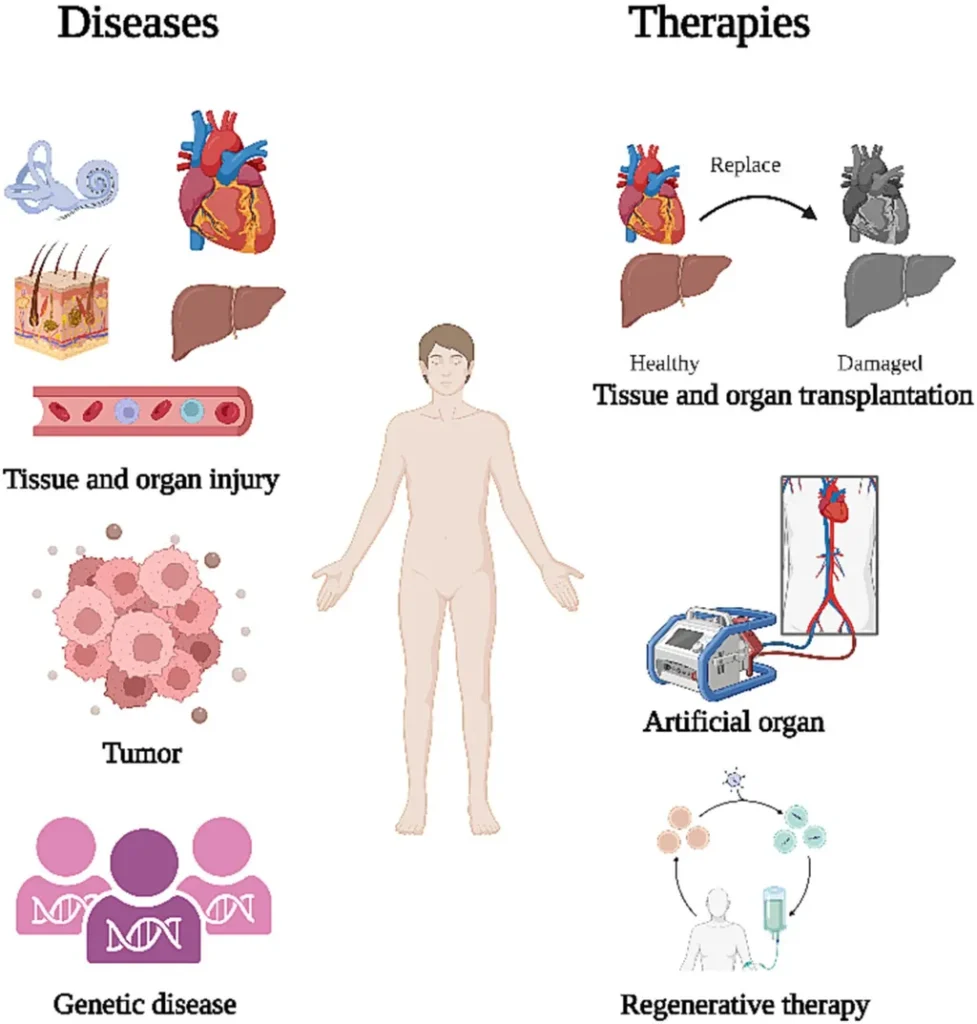
In a groundbreaking development that could revolutionize regenerative medicine and stem cell research, scientists have identified a novel method to maintain the stemness and pluripotency of human induced pluripotent stem cells (hiPSCs) during long-term culture. This research, led by Jiaqi Zhu from the Department of Hepatobiliary and Pancreatic Surgery at the Affiliated Hospital of Nantong University in China, opens new avenues for advancing stem cell therapies and potentially impacting the energy sector through innovative bioengineering applications.
The study, published in the journal *Bioactive Materials* (translated as *活性材料* in Chinese), addresses a significant challenge in the field: the gradual loss of stemness and pluripotency in hiPSCs during prolonged culture. This limitation has hindered the widespread application of hiPSCs in regenerative medicine and other biotechnological fields. Zhu and his team discovered that a long non-coding RNA (lncRNA) known as LINC MIR503HG plays a crucial role in maintaining the stemness of hiPSCs.
To harness this discovery, the researchers developed a highly efficient delivery system using adipose-derived stem cell extracellular vesicles (ADSC-EVs), dubbed MIR503HG-EVs. These engineered vesicles were found to significantly enhance the culture conditions for hiPSCs. “During extended culture, MIR503HG-EV-treated hiPSCs developed into colonies with more compact morphology, an increased percentage of viable cells, and elevated expression of key stemness markers such as OCT4, SOX2, and NANOG,” Zhu explained. Moreover, the treated cells maintained their chromosomal integrity, ensuring the safety and stability of the stem cells.
The mechanistic studies revealed that LINC MIR503HG selectively binds to AHCTF1, facilitating the active nucleocytoplasmic transport of MYC mRNA. This process leads to a significant increase in MYC protein production, which activates the stemness regulatory network. “This augmentation of MYC protein production is a key factor in maintaining the stemness and pluripotency of hiPSCs,” Zhu noted.
Beyond maintaining stemness, the MIR503HG-EVs also mitigated the decline in differentiation potential of hiPSCs after several passages. The treatment modulated the chromatin accessibility of stemness transcription factors and modified energy metabolism pathways, including glycolysis and oxidative phosphorylation. This dual action ensures that high-passage hiPSCs retain their ability to differentiate into various cell types, achieving a level of proficiency comparable to low-passage clones.
The implications of this research extend beyond regenerative medicine. In the energy sector, the ability to maintain and differentiate hiPSCs efficiently could lead to advancements in bioengineering applications, such as the development of sustainable biofuels and bioproducts. The enhanced differentiation efficiency of high-passage hiPSCs into definitive endoderm, pancreatic, and hepatic lineages could also pave the way for innovative solutions in energy storage and conversion technologies.
“This study identifies the addition of MIR503HG-EVs as a convenient, efficient, and safe approach for maintaining high-passage hiPSCs,” Zhu concluded. The findings not only address a critical challenge in stem cell research but also open new possibilities for commercial applications in various industries, including energy.
As the scientific community continues to explore the potential of stem cells, this research by Zhu and his team represents a significant step forward. The use of engineered extracellular vesicles to maintain stemness and pluripotency could shape the future of regenerative medicine and bioengineering, offering new hope for innovative therapies and sustainable technologies.