
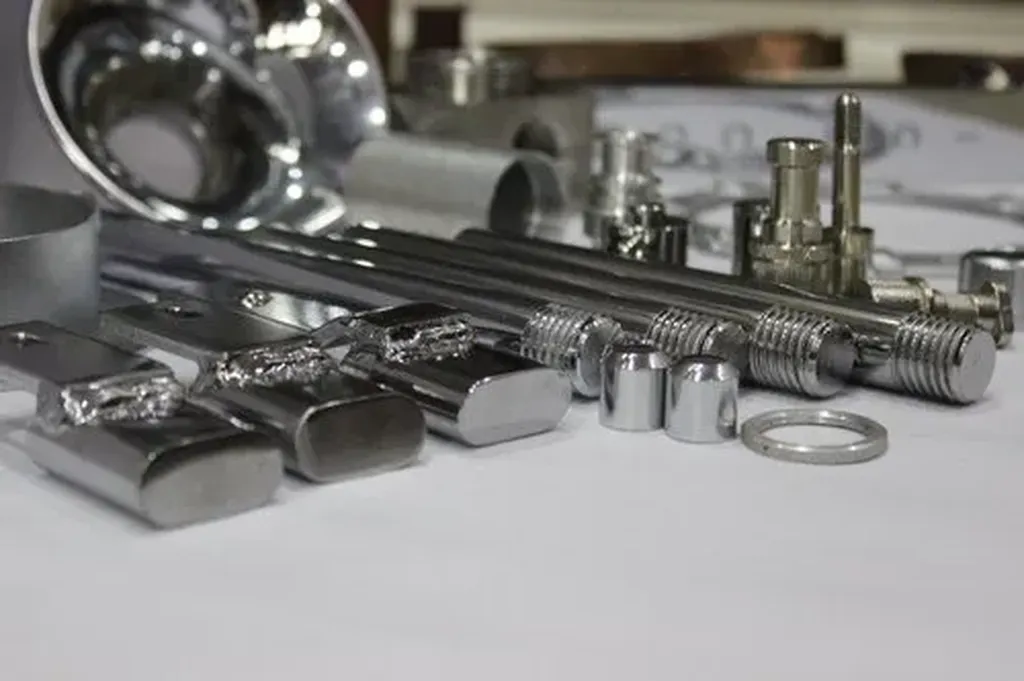
In the quest to bolster the longevity of power fittings, a team of researchers led by PENG Feifan from the China Academy of Machinery Wuhan Research Institute of Materials Protection Co., Ltd., has delved into the frictional behavior of 35CrMo-based zinc-nickel coatings under varying loads and environments. Their findings, published in *Cailiao Baohu* (which translates to *Materials Protection*), offer promising insights for the energy sector, particularly in combating the dual challenges of wear and corrosion.
The study, which also involved collaborators from Guangdong Power Grid Co., Ltd., and Yuli Materials Corrosion National Observation and Research Station, focused on the performance of zinc-nickel coatings under different conditions. By subjecting the coatings to reciprocating wear tests with varying normal loads (50, 80, and 110 N) and environments (dry, deionized water, and salt solution), the researchers uncovered critical insights into the coatings’ behavior.
“Understanding the interplay between wear and corrosion is crucial for developing more robust protective strategies for power fittings,” said PENG Feifan, the lead author of the study. The research revealed that the friction coefficient was highest in dry conditions and lowest in the salt solution. Notably, wear loss increased with the load, but the influence of load on friction and wear loss was relatively small in deionized water.
One of the most significant findings was the impact of the salt solution on wear loss. When the load reached 110 N, the coupling effect of corrosion and wear was most pronounced, resulting in a 42.31% increase in wear loss compared to that at 80 N. This highlights the complex interplay between corrosion and wear, which can significantly impact the performance of protective coatings in harsh environments.
The study also shed light on the dominant wear mechanisms under different conditions. Adhesive wear was found to be the primary mechanism in dry friction tests, while fatigue wear predominated in deionized water. In the salt solution, corrosion wear was the main mechanism, with the incremental wear caused by the corrosion-wear coupling effect exceeding the wear reduction afforded by the lubricating effect of the salt solution.
As the load increased, the contribution of corrosion to the overall wear became increasingly pronounced. This finding underscores the importance of considering both wear and corrosion in the design and application of protective coatings for power fittings.
The implications of this research are far-reaching for the energy sector. By understanding the frictional behavior and wear mechanisms of zinc-nickel coatings under different conditions, engineers and researchers can develop more effective protective strategies for power fittings. This, in turn, can enhance the reliability and longevity of critical infrastructure, reducing maintenance costs and improving overall performance.
As the energy sector continues to evolve, the need for robust and durable protective coatings will only grow. The insights gained from this study provide a solid foundation for future developments in the field, paving the way for more innovative and effective solutions to the challenges posed by wear and corrosion.
In the words of PENG Feifan, “This research not only advances our understanding of the frictional behavior of zinc-nickel coatings but also opens up new avenues for developing more resilient protective strategies for power fittings.” With the findings published in *Cailiao Baohu*, the stage is set for further exploration and innovation in the field of materials protection.