
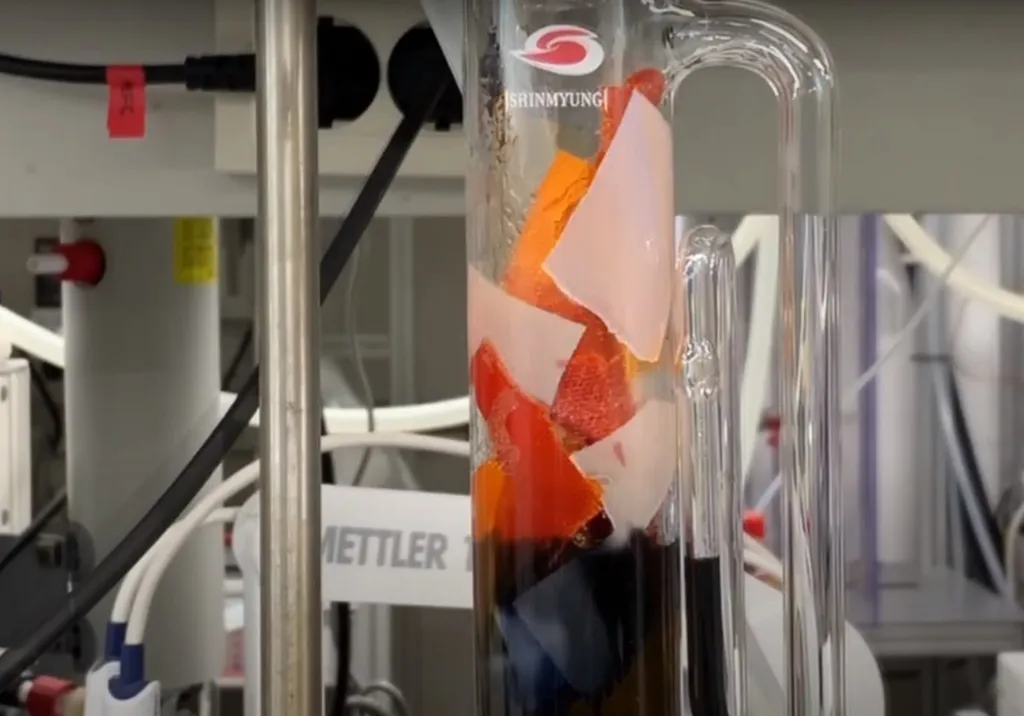
In a significant stride towards a circular economy, researchers have developed a cost-effective method to transform common polyester waste into biodegradable thermoplastics, potentially revolutionizing the plastics industry and offering a sustainable alternative to fossil fuel-derived plastics. The study, led by Mira Shin from the Department of Chemical and Biomolecular Engineering at Sogang University in Seoul, Republic of Korea, presents a one-pot upcycling process that directly converts poly(ethylene terephthalate) (PET) and poly(butylene terephthalate) (PBT) into valuable thermoplastic poly(ether ester)s.
The current chemical recycling processes for polyesters often involve energy-intensive polymer-to-monomer and monomer-to-polymer steps, leading to substantial greenhouse gas emissions. Shin’s team has circumvented these issues by developing a more efficient, one-pot polymer-to-polymer upcycling method. This process utilizes poly(tetramethylene ether) glycol (PTMG) to create a series of biodegradable thermoplastics, dubbed PEBTG, which exhibit impressive mechanical properties and biodegradability.
“Our approach not only reduces the carbon footprint associated with traditional recycling methods but also offers a viable path to a sustainable plastic economy,” Shin explained. The synthesized PEBTG materials demonstrate a maximum tensile strength of 68 MPa and an 85% weight loss after 20 weeks in composted soil, indicating their potential as robust and eco-friendly alternatives to conventional plastics.
The research also includes a techno-economic analysis and life cycle assessment, revealing that PEBTG is more cost-competitive and environmentally beneficial than existing plastics derived from fossil fuels, such as polypropylene and polybutylene adipate terephthalate. This finding underscores the commercial potential of the upcycling strategy, particularly for the energy sector, which has been increasingly focused on reducing its environmental impact.
The study, published in the journal Sustainable Materials (SusMat), translates to English as “Sustainable Materials and Technologies,” highlights the importance of innovative recycling methods in addressing the global plastic waste crisis. As Shin noted, “Once de-risked, our upcycling strategy can be extended to other polymer wastes, expediting the development of a sustainable plastic economy.”
The implications of this research are far-reaching, offering a promising solution for reducing reliance on fossil resources and minimizing carbon emissions. By providing a cost-effective and environmentally friendly alternative to traditional plastics, this one-pot upcycling process could shape the future of the plastics industry and contribute significantly to global sustainability efforts. As the world continues to grapple with the challenges of plastic waste and climate change, innovations like this offer a beacon of hope and a tangible step towards a more sustainable future.