
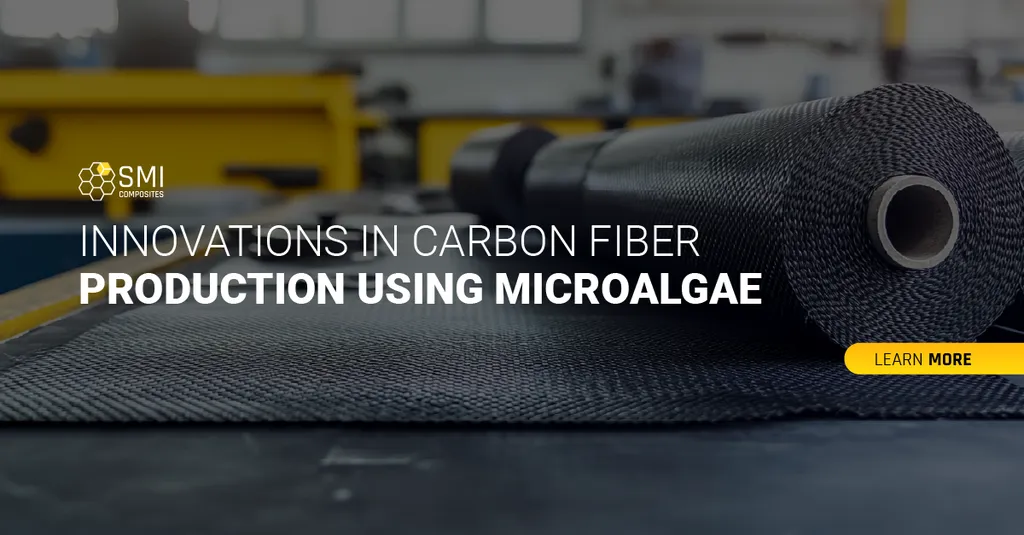
In the world of advanced materials, Carbon Fibre-Reinforced Polymers (CFRP) are the superstars, offering exceptional strength-to-weight ratios and making them indispensable in industries like aerospace, automotive, and energy. However, machining these materials is a delicate dance, with temperature control being a critical factor in maintaining product quality. A recent study published in the journal ‘Composites Part C: Open Access’ (translated to English as ‘Composites Part C: Open Access’) sheds new light on this challenge, offering insights that could revolutionize the way we approach CFRP machining.
At the heart of this research is Andrii Hrechuk, a scientist from the Division of Production and Materials Engineering at Lund University in Sweden. Hrechuk and his team have developed a novel methodology that combines machinable thermocouples and infrared (IR) thermometry techniques to measure the temperature of drills with unprecedented precision. This innovative approach, enhanced by careful synchronization, timestamping, and post-processing, allows for a fine-resolution analysis of local temperature along the cutting edges.
The study compares three different drill designs, focusing on the impact of their geometry and wear on the generated temperature. The results are intriguing. Hrechuk explains, “We found that a positive rake angle is a favourable geometric feature. It allows maintaining lower local temperatures of 129–142 °C in an unworn state.” This finding is significant because it provides a clear guideline for tool design, potentially reducing the risk of thermally induced damage during machining.
So, why does this matter for the energy sector? CFRPs are increasingly used in wind turbines, offshore structures, and other energy applications due to their high strength and lightweight properties. However, the precision and quality of machining these materials directly impact the performance and longevity of the final products. By understanding and controlling the temperature generated during machining, manufacturers can enhance product quality, reduce waste, and ultimately, lower costs.
Hrechuk’s research also highlights the importance of tool wear. As tools wear out, the temperature generated during machining increases, which can lead to damage and reduced product quality. This insight underscores the need for regular tool maintenance and replacement, ensuring optimal performance and product quality.
Looking ahead, this research could shape future developments in the field of CFRP machining. By providing a clear understanding of the relationship between tool geometry, wear, and temperature, it paves the way for the design of more efficient and effective machining tools. Moreover, the methodology developed by Hrechuk and his team could be applied to other advanced materials, opening up new avenues for research and innovation.
In the words of Hrechuk, “This is just the beginning. Our methodology can be further refined and applied to other materials and machining processes. The potential is immense.” As we continue to push the boundaries of material science and engineering, research like this will be instrumental in driving progress and innovation.