
In the quest for safer and more effective radiation shielding, a new contender has emerged from an unexpected quarter: glass. A comprehensive literature review led by Yas Al-Hadeethi from the Department of Physics at King Abdulaziz University has shed light on the potential of glass materials to revolutionize radiation protection, particularly in the energy sector.
Traditional shielding materials like lead have long been the standard, but their toxicity and rigidity pose significant challenges. “Conventional materials are functional but come with downsides that limit their applicability,” Al-Hadeethi explains. This has spurred researchers to explore alternative materials, and glass has stepped into the spotlight.
The review, published in *Discover Materials* (translated to English as “Exploring Materials”), highlights several experimental and simulation-based studies that have optimized glass compositions to enhance radiation attenuation. Glasses doped with elements like bismuth oxide, tellurium dioxide, and rare earth oxides have shown promising results. These modifications not only improve shielding metrics but also enhance mechanical characteristics, making them more versatile for various applications.
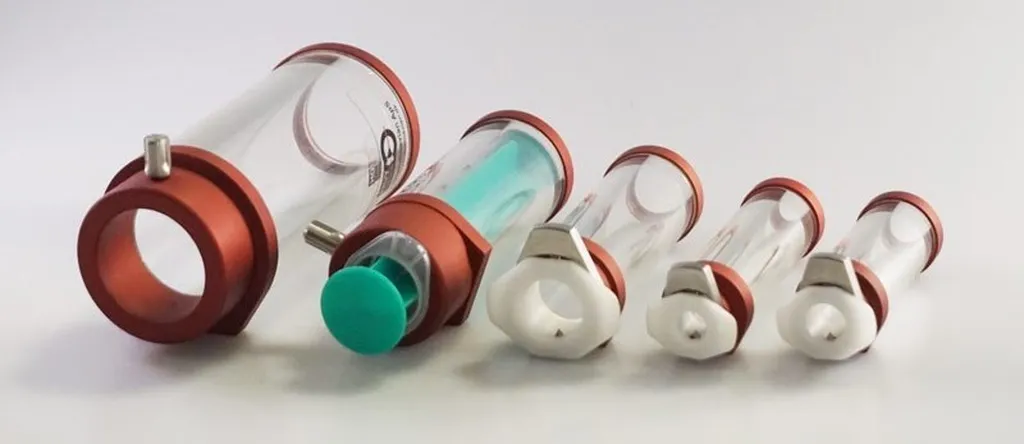
One of the most notable developments in this area is the creation of lead-free bismuth-silicate glasses. These materials offer a safer alternative to traditional lead-based shields, addressing concerns about toxicity and environmental impact. Additionally, aquatic shields based on clear SPT POM have been developed, further expanding the range of potential applications.
The use of computational techniques such as MCNP, FLUKA, Geant4, XCOM, and SRIM has been instrumental in verifying the performance of these glass materials. These simulation codes provide high-accuracy predictions, allowing researchers to fine-tune compositions and optimize shielding effectiveness.
Despite these advancements, achieving a balance between optical clarity, mechanical soundness, and shielding effectiveness remains a challenge. Future research will focus on understanding structural defects, atomic-level radiation interactions, and adjustable optical properties to validate glass’s potential as a next-generation radiation shielding material.
The implications for the energy sector are significant. As nuclear power and other radiation-intensive industries continue to grow, the demand for effective and safe shielding materials will only increase. Glass materials, with their unique combination of properties, could play a crucial role in meeting this demand.
Al-Hadeethi’s review underscores the importance of continued research in this area. “Future studies will examine structural defects, atomic-level radiation interactions, and adjustable optical properties to validate glass’s potential as a next-generation radiation shielding material,” he notes. This ongoing work could pave the way for innovative solutions that enhance safety and efficiency in the energy sector.
In conclusion, the exploration of glass materials for radiation shielding represents a promising avenue for future developments. As researchers continue to push the boundaries of what is possible, the energy sector stands to benefit from safer, more effective shielding solutions. The journey towards next-generation radiation protection is just beginning, and glass is poised to play a pivotal role in this exciting field.