
In the quest to tackle central nervous system (CNS) disorders, researchers are turning to an unlikely ally: astrocytes, the star-shaped cells that have long been overshadowed by their more glamorous neuron counterparts. A new review published in *Nano Select* (which translates to *Nano Choice*), led by Senamile M. Dlamini of the Wits Advanced Drug Delivery Platform Research Unit at the University of the Witwatersrand in Johannesburg, South Africa, shines a spotlight on the untapped potential of nanoparticle-based therapies that specifically target astrocytes. The research could reshape how we approach treatments for neurodegenerative diseases, offering a glimmer of hope for patients and a new frontier for pharmaceutical innovation.
CNS disorders, including Alzheimer’s, Parkinson’s, and multiple sclerosis, present formidable therapeutic challenges. The blood-brain barrier (BBB), a highly selective barrier that protects the brain from harmful substances, also blocks many potentially life-saving drugs. “The BBB is like a fortress,” explains Dlamini. “It’s incredibly effective at keeping out invaders, but it also makes it difficult to deliver therapeutic agents to where they’re needed most.”
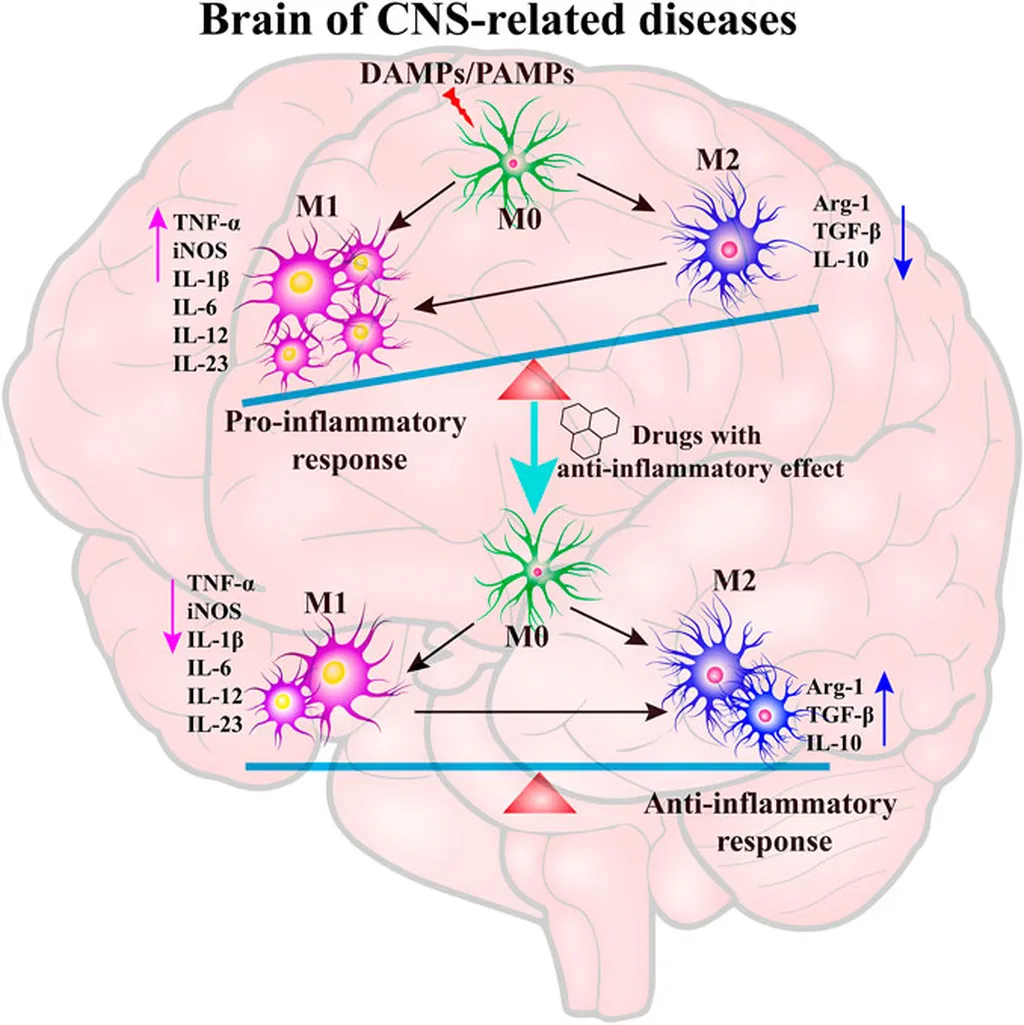
Enter astrocytes, the unsung heroes of the CNS. Once thought to be mere support cells, astrocytes are now recognized as key regulators of neuroinflammation and neurodegeneration. By modulating these cells, researchers believe they can intervene in the pathological processes underlying CNS disorders. Nanoparticles, with their ability to target specific cells and deliver drugs directly, offer a promising strategy. However, most studies have overlooked a crucial delivery route: the nose-to-brain pathway.
Intranasal (IN) delivery, a non-invasive method that bypasses the BBB, has shown success in delivering drugs to the CNS. Yet, despite its potential, no FDA-approved IN formulations specifically target astrocytes. “This is a significant gap in the field,” says Dlamini. “By combining the astrocyte specificity of engineered nanoparticles with the direct CNS access of IN delivery, we can open up new avenues for neurotherapeutics.”
The review highlights both the mechanistic strengths and translational gaps in the current landscape of astrocyte-modulating nanotherapeutics. It calls for a united approach, bridging the divide between investigational nanoformulations and approved IN therapeutics. This could pave the way for the next generation of neurotherapeutics, offering more effective treatments for CNS disorders.
The implications for the pharmaceutical industry are substantial. By developing targeted nanotherapeutics that leverage the nose-to-brain pathway, companies can tap into a market with immense unmet needs. The potential commercial impacts are significant, with the global neurotherapeutics market projected to reach $160 billion by 2025.
Moreover, this research could drive innovation in drug delivery technologies, fostering collaborations between academia and industry. As Dlamini notes, “This is a multidisciplinary challenge that requires input from chemists, biologists, engineers, and clinicians. By working together, we can accelerate the translation of these technologies from the lab to the clinic.”
In the ever-evolving landscape of neurotherapeutics, the review by Dlamini and colleagues serves as a wake-up call, highlighting the untapped potential of astrocyte-targeting nanoparticles and the nose-to-brain delivery route. As researchers and industry stakeholders grapple with the complexities of CNS disorders, this review offers a roadmap for the future, guiding the development of more effective and targeted therapies. The journey is long, but the destination—a world where CNS disorders are no longer a death sentence—is worth the effort.