
In the world of advanced materials and surface engineering, a groundbreaking study has emerged that could significantly impact the energy sector. Researchers, led by Leonardo Moscolari from the Istituto di Scienze e Tecnologie Chimiche “G. Natta” (SCITEC) at the Consiglio Nazionale delle Ricerche in Milan, Italy, have developed a novel approach to creating finely tunable microporous functional surfaces. Their work, published in *ACS Materials Au* (which translates to “ACS Materials Gold”), combines the natural phenomenon of breath figures with mussel-inspired chemistry, opening doors to innovative applications in energy efficiency and beyond.
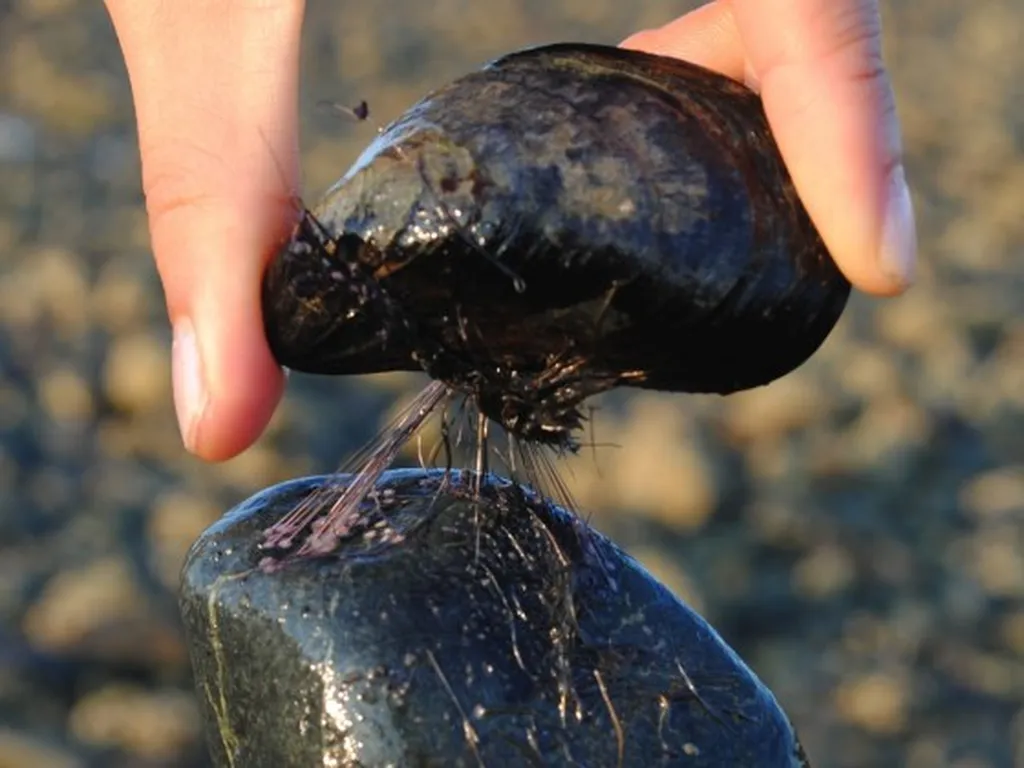
Breath figures, a term familiar to those who have seen patterns formed by condensation on surfaces, have long been recognized for their potential in creating porous structures. However, harnessing this phenomenon for practical applications has been challenging. Moscolari and his team have tackled this challenge by integrating it with the adhesive properties of mussels, known for their remarkable ability to stick to various surfaces underwater. “By mimicking the chemistry of mussels, we can create surfaces that are not only porous but also highly functional and adaptable,” Moscolari explained.
The implications for the energy sector are profound. Microporous surfaces can enhance the efficiency of solar panels, improve the performance of batteries, and even contribute to more effective heat management in electronic devices. The ability to finely tune the porosity and functionality of these surfaces means that they can be tailored to specific needs, offering a level of customization previously unattainable. “This method allows us to design surfaces with precise control over their properties, which is crucial for optimizing energy-related applications,” Moscolari added.
The research also highlights the potential for sustainable and scalable manufacturing processes. By leveraging natural phenomena and bio-inspired chemistry, the approach offers a more environmentally friendly alternative to traditional methods. This could lead to cost-effective and eco-friendly solutions for energy storage, conversion, and management, aligning with the growing demand for green technologies.
As the energy sector continues to evolve, the need for innovative materials and surfaces that can enhance performance and efficiency becomes increasingly critical. Moscolari’s work represents a significant step forward in this direction, offering a versatile and tunable platform for a wide range of applications. The study not only advances our understanding of breath figures and bio-inspired chemistry but also paves the way for future developments in materials science and engineering.
With the publication of this research in *ACS Materials Au*, the scientific community now has a new tool to explore the vast potential of microporous functional surfaces. As industries strive to meet the challenges of a rapidly changing world, the insights gained from this study could prove invaluable in shaping the future of energy technologies.