
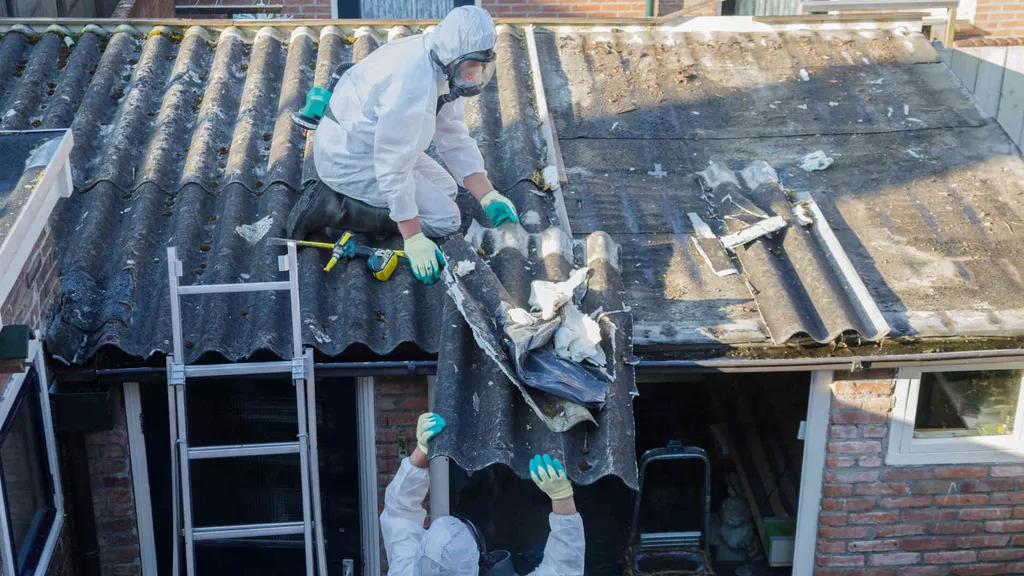
In the heart of Romania’s capital, at the National University of Science and Technology POLITEHNICA Bucharest, researcher C. Luca has been delving into a topic that strikes at the core of both public health and industrial safety: asbestos exposure. Published in the journal ‘Fiabilitate şi Durabilitate’—which translates to ‘Reliability and Durability’—Luca’s work shines a light on the persistent threat of asbestos and outlines critical measures to mitigate its dangers.
Asbestos, once hailed as a miracle material for its durability and fire resistance, has left a legacy of devastation. Its fibers, when inhaled, can lead to lung cancer, mesothelioma, and other respiratory diseases. Despite being banned in many countries, asbestos remains a lurking hazard in older buildings and industrial sites. Luca’s research underscores the urgency of addressing this issue, particularly in sectors like construction and energy, where exposure risks are high.
“Identifying and eliminating sources of asbestos is not just a regulatory requirement; it’s a moral imperative,” Luca asserts. The researcher emphasizes that the key to prevention lies in a multi-faceted approach. This includes strict regulations on handling and removal, rigorous training for workers, and collaboration between authorities, employers, and employees.
The commercial impact of asbestos exposure is profound. In the energy sector, for instance, the presence of asbestos in older power plants and infrastructure can lead to costly shutdowns, legal liabilities, and reputational damage. Companies that proactively address asbestos risks not only protect their workers but also safeguard their bottom line. Luca’s findings suggest that investing in preventive measures can yield long-term benefits, both in terms of public health and economic stability.
The research also highlights the importance of international collaboration. Asbestos is a global problem, and solutions must transcend borders. By sharing best practices and regulatory frameworks, countries can collectively reduce the incidence of asbestos-related diseases.
Looking ahead, Luca’s work could shape future developments in occupational health and safety. The emphasis on collaboration and proactive measures sets a precedent for how industries can tackle similar challenges. As the energy sector continues to evolve, the lessons learned from asbestos management will be crucial in ensuring a safer and more sustainable future.
In the words of Luca, “The fight against asbestos is a marathon, not a sprint. But with the right measures in place, we can significantly reduce its impact on public health and industry.” As the world grapples with the legacy of asbestos, researchers like Luca are paving the way for a safer tomorrow.