
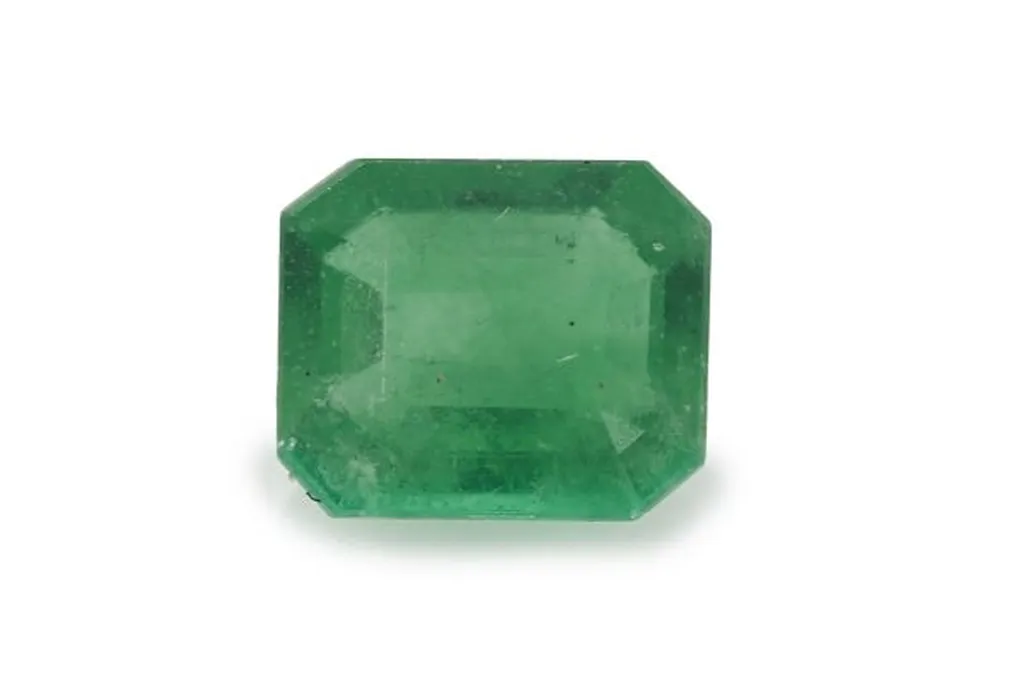
In the heart of Minas Gerais, Brazil, a city named Nova Era is not just known for its emerald mines but also for the potential hidden within their tailings. A recent study, published in the journal ‘Materials Research’ (translated from Portuguese), has shed light on the untapped value of these mining byproducts, offering a glimpse into a more sustainable future for the industry.
Emerald mining, like many extractive processes, generates significant amounts of tailings—materials left over after the valuable minerals have been extracted. Traditionally, these tailings have been considered waste, often stored in tailings dams or piles, posing environmental and safety challenges. However, a team of researchers, led by C. H. Dias, has uncovered a promising alternative.
The study, titled “Physical, Chemical and Mineralogical Characterization of Emerald Mining Tailings in Nova Era, Minas Gerais,” delves into the composition and potential of these tailings. The researchers conducted a series of analyses, including granulometry, density, and moisture content assessments, as well as leaching tests, XRF analysis, and chemical composition evaluation using an EDS detector coupled with SEM. They also performed stereomicroscope and SEM imaging, along with XRD analyses.
The findings were intriguing. Granulometric analysis revealed that a significant portion of the particles—46.49%—were smaller than 0.85 mm, indicating a fine texture suitable for various applications. XRF analysis identified the presence of Mg, K, and Ca, essential plant nutrients. Leaching tests showed levels of potentially toxic metals As, Cd, and Pb below 1 ppm, suggesting low environmental risk. XRD analyses pinpointed several mineral phases, including phlogopite, quartz, actinolite, kaolinite, and vermiculite, each with unique properties.
These results hint at a promising avenue for the reuse of emerald mining tailings. “The tailings could serve as a potential soil remineralizer,” Dias explains, “but further agronomic testing is required to confirm their suitability for agricultural use.” This finding could revolutionize the way the mining industry views and manages its waste, transforming it into a valuable resource.
The implications for the energy sector are substantial. As the world shifts towards more sustainable practices, the ability to repurpose mining byproducts could significantly reduce the environmental footprint of extractive industries. Moreover, the potential to enhance soil fertility with these tailings could support the growth of bioenergy crops, further contributing to a greener energy mix.
The study’s findings open doors to innovative applications in soil remineralization and agricultural enhancement. As Dias notes, “This research is just the beginning. It paves the way for further exploration and development of sustainable practices in the mining industry.” The journey towards a more sustainable future for mining is underway, and the tailings of Nova Era might just hold the key to unlocking it.