
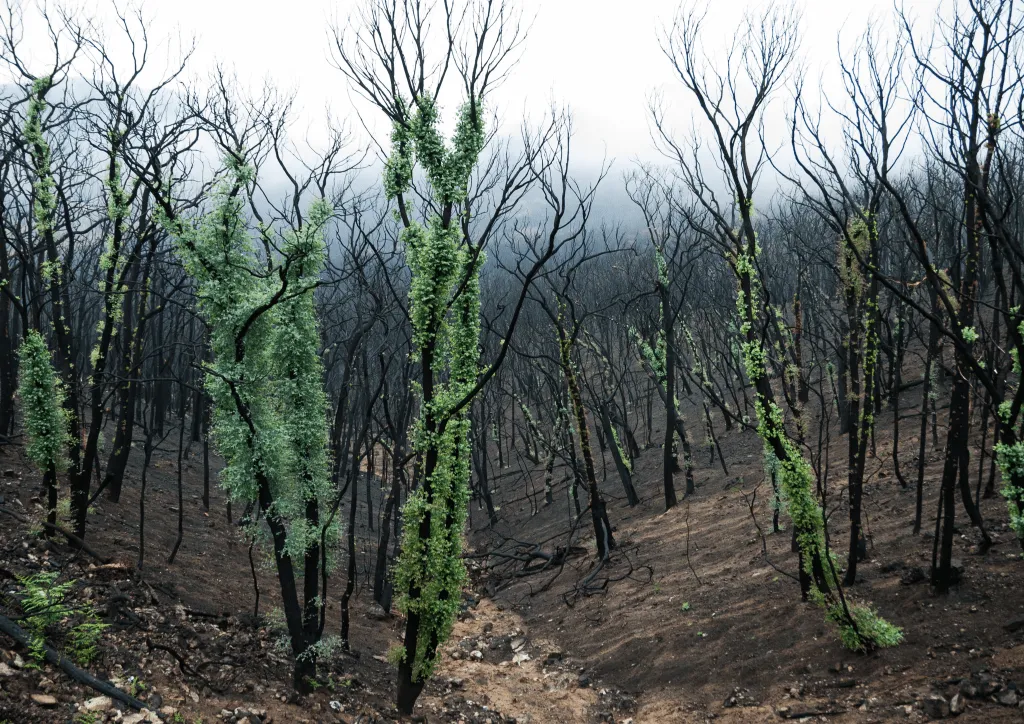
In the aftermath of the devastating 2019–20 Australian bushfire season, a unique initiative has emerged, offering a blueprint for community-led disaster resilience that could reshape how we approach post-disaster reconstruction and energy infrastructure planning. The Placemaking Clarence Valley (PCV) living lab, an action research project led by Mel Dodd from Monash University’s Faculty of Art, Design and Architecture, is pioneering innovative, community-driven approaches to building resilience.
The PCV living lab is not just about rebuilding; it’s about reimagining. By engaging directly with affected communities, the project is co-creating ideas for places and built outcomes that strengthen social cohesion, social capital, and resilience. This place-making method, as Dodd explains, is highly relational, activating place-based participation that is crucial for building resilience. “The strength of place-making methods in building resilience lies in its highly relational process,” Dodd says. “It’s about understanding and leveraging the unique local needs and knowledge of the community.”
The living lab approach allows for testing and rehearsing community-led innovation, offering adaptable approaches to improving civic resilience. This is particularly relevant for the energy sector, as resilient communities are better equipped to handle disruptions and recover quickly, ensuring a more stable environment for energy infrastructure and services.
One of the key findings from the PCV living lab is the importance of scale in participation. While the project faced limitations in reaching a broader audience, these challenges have provided valuable insights. As Dodd notes, “Reflections on these learnings unlock answers for how creative participatory processes can be finetuned for social and ecological transformation initiatives.”
The PCV living lab is part of a growing trend in Australia towards place-based programs. These initiatives recognize that communities are often best placed to understand their unique local needs, generating shared understandings that can tackle systemic issues and challenges, including entrenched disadvantage and compounding disasters.
As the energy sector looks towards the future, the lessons from the PCV living lab could be instrumental. By embracing community-led, place-based approaches, energy companies can contribute to building more resilient communities, ensuring a more stable and sustainable environment for their operations. As Dodd’s research, published in the journal Buildings & Cities (translated to English as “Buildings & Cities”), suggests, this shift could unlock new pathways for social and ecological transformation, shaping the future of post-disaster reconstruction and energy infrastructure planning.
In an era of increasing climate-related disasters, the PCV living lab offers a compelling vision for the future. By putting communities at the heart of resilience planning, we can build not just stronger infrastructure, but stronger, more connected communities. As Dodd’s work shows, this is not just about rebuilding; it’s about reimagining, and in doing so, creating a more resilient and sustainable future for all.