
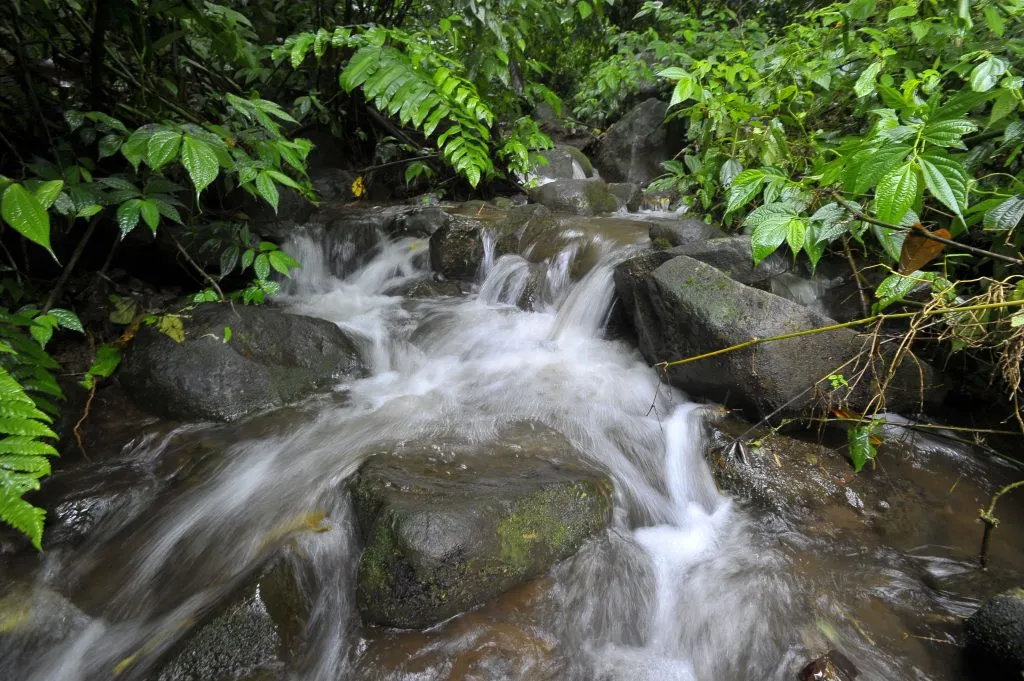
In the heart of Indonesia, a critical battle against river erosion is unfolding, one that could reshape how we approach river management and protect vital infrastructure. At the forefront of this fight is Salsabila Rifdah Taufik, a researcher from the Balai Besar Wilayah Sungai Cimanuk Cisanggarung, who has turned to advanced hydrodynamic modeling to tackle the pressing issue of river erosion in Kalibuntu Village.
The village, nestled along the winding Kalibuntu River, has been grappling with significant erosion. The river’s channel has been shifting, creeping dangerously close to residential areas and escalating the risk of landslides. The stakes are high, not just for the local community but also for the energy sector, which relies on stable river systems for hydroelectric power and other critical infrastructure.
Taufik’s research, published in the *Journal of Hydraulic Engineering* (Jurnal Teknik Hidraulik), focuses on the strategic use of river groynes—long, rigid structures built perpendicular to the river flow to control erosion. “The key is to select the right design and materials that harmonize with the river’s unique characteristics,” Taufik explains. “This ensures effective erosion control and minimizes adverse impacts on the river’s natural flow.”
To achieve this, Taufik employed MIKE 21 – Curvilinear, a sophisticated hydrodynamic model known for its accuracy in simulating river morphology. The study involved two series of models: one representing the river’s current state and another simulating the river with the proposed groynes installed. The results were striking. The installation of groynes led to a significant reduction in average flow velocity at critical points along the river bend, with decreases of up to 0.124 meters per second. However, there was an unexpected increase in flow velocity at the inner bend, highlighting the complex interplay between groynes and river dynamics.
“This research is a game-changer,” says Taufik. “It provides a data-driven approach to river management, ensuring that interventions like groyne installation are both effective and sustainable.”
The implications for the energy sector are profound. Rivers are lifelines for hydroelectric power, and erosion can disrupt these vital energy sources. By implementing targeted groyne installations, energy companies can protect their infrastructure and ensure a stable power supply. Moreover, the study’s focus on numerical modeling offers a scalable solution that can be applied to other rivers facing similar challenges.
As the world grapples with the impacts of climate change, Taufik’s research offers a beacon of hope. It demonstrates the power of advanced modeling techniques in addressing real-world problems and paves the way for more resilient river management strategies. For the energy sector, this means not just protecting existing infrastructure but also planning for a future where rivers remain stable and sustainable sources of power.
In the fight against river erosion, Taufik’s work is a testament to the power of innovation and the critical role of research in shaping a more resilient future. As the energy sector continues to evolve, the lessons learned from Kalibuntu Village could very well become a blueprint for river management worldwide.