
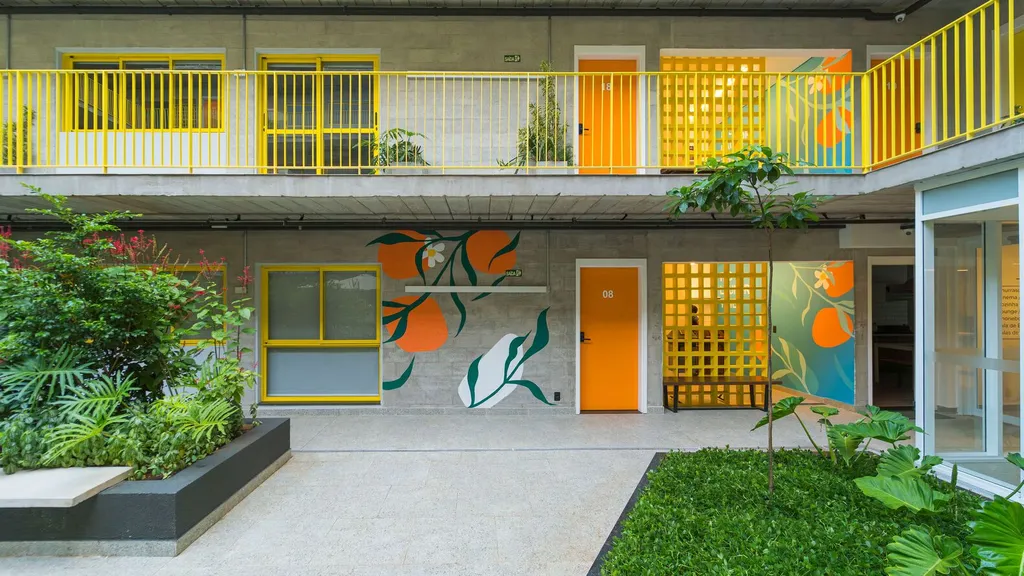
In the heart of Brazil’s architectural education landscape, a compelling narrative is unfolding at the Faculdade de Arquitetura e Urbanismo (FAU) of the Pontifícia Universidade Católica de Campinas (PUC-Campinas). A recent study, led by Raul Teixeira Penteado Neto of the Universidade de São Paulo’s Instituto de Arquitetura e Urbanismo, delves into the unique blend of methodological approaches and generational influences that have shaped the institution’s project-based teaching.
Published in ‘Oculum Ensaios’ (which translates to ‘Oculum Essays’), the research highlights how FAU-PUC-Campinas has cultivated a distinctive educational environment, one that Penteado Neto describes as “a school of schools.” This pluralistic approach, honed over decades, has not only enriched the academic experience but also fostered a dynamic architectural scene in Campinas.
The study underscores the value of transgenerational contributions, demonstrating how each generation of educators has built upon the foundations laid by their predecessors. “This isn’t just about passing on knowledge; it’s about evolving it, challenging it, and making it relevant to new contexts,” Penteado Neto explains. This iterative process has led to a rich tapestry of architectural styles and methodologies, reflecting the diverse influences that have shaped the region’s built environment.
For the energy sector, the implications are significant. As the demand for sustainable and energy-efficient buildings grows, the pluralistic approach championed by FAU-PUC-Campinas could serve as a model for other institutions. By encouraging a diverse range of perspectives and innovative solutions, this method could accelerate the development of cutting-edge architectural designs that prioritize energy efficiency and sustainability.
Moreover, the research calls attention to the untapped potential of archival materials. By exploring the project archives of FAU-PUC-Campinas’ faculty, Penteado Neto’s study opens up new avenues for research and historical analysis. This could lead to a deeper understanding of regional architectural trends and their impact on energy consumption patterns, providing valuable insights for policymakers and industry professionals alike.
As the architectural world grapples with the challenges of climate change and urbanization, the lessons from FAU-PUC-Campinas offer a beacon of inspiration. By embracing plurality and transgenerationality, the institution has not only enriched its educational offerings but also contributed to the broader discourse on sustainable design. As Penteado Neto’s research demonstrates, the future of architecture lies in its ability to adapt, innovate, and draw from the collective wisdom of generations past and present.