
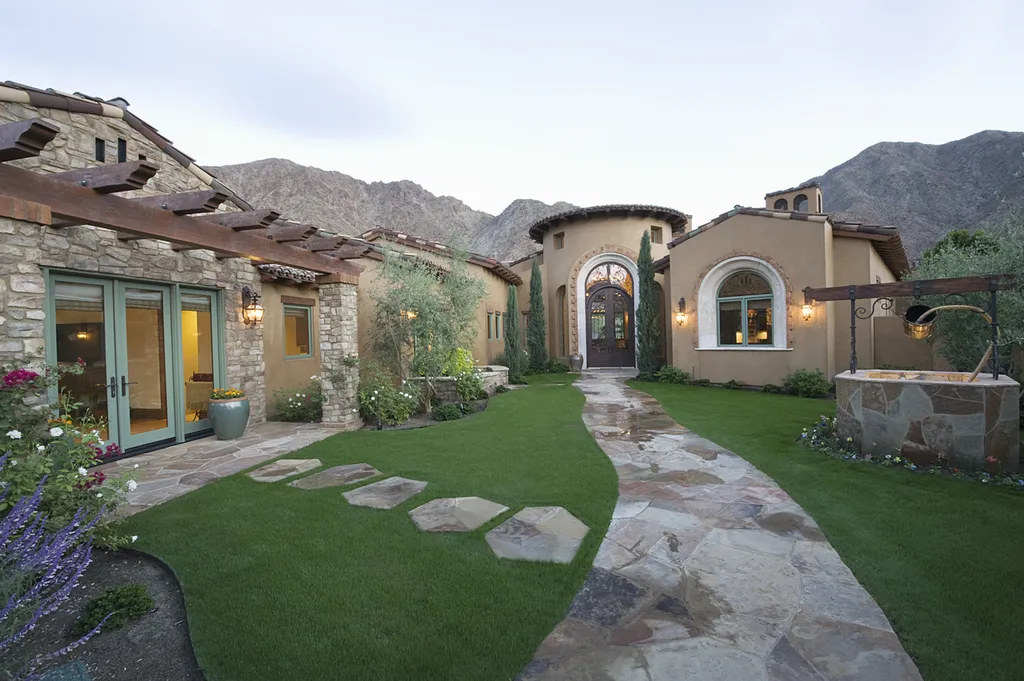
In the heart of Brazil, a unique architectural narrative is unfolding, one that bridges centuries and continents, and could very well inspire a new wave of design and construction trends. David Prado Machado, an architect and researcher from the Universidade Federal de Minas Gerais, Escola de Arquitetura e Urbanismo, has been delving into the fascinating story of the Spanish Colonial Revival style in Brazil, a tale that intertwines cultural exchange, historical influences, and modern architectural evolution.
The Spanish Colonial Revival, a style that flourished in the United States during the early 20th century, found an unexpected home in Brazil, particularly in the planned city of Belo Horizonte. This architectural style, characterized by its red-tiled roofs, stucco walls, and arched windows, is a romantic reinterpretation of the Spanish colonial buildings that once dotted the American Southwest. It’s a style that, according to Machado, “resonates with the Brazilian spirit of order and progress, a spirit that has been shaping the country’s landscape since the late 19th century.”
Machado’s research, published in the journal ‘Oculum Ensaios’ (which translates to ‘Oculum Essays’), reveals that this architectural style arrived in Brazil during a period of significant cultural exchange with the United States. The style was not merely imported but was adapted and reimagined, reflecting Brazil’s unique cultural and historical context. This process of adaptation and reinterpretation, Machado argues, offers valuable insights into how architectural styles can evolve and adapt to new cultural and geographical contexts.
The commercial implications of this research are profound, particularly for the energy sector. The Spanish Colonial Revival style, with its emphasis on natural ventilation and shading, offers a model for sustainable and energy-efficient design. As the world grapples with climate change and the need for sustainable development, the lessons from this architectural style could inspire new approaches to design and construction.
Moreover, the story of the Spanish Colonial Revival in Brazil is a testament to the power of cultural exchange and historical influences in shaping architectural trends. It underscores the importance of understanding and appreciating the historical and cultural context of architectural styles, a lesson that could guide future developments in the field.
Machado’s research is not just about the past; it’s about the future. It’s about how we can learn from history to inform our present and shape our future. As he puts it, “Understanding the past is not just about preserving history; it’s about using history to create a better future.” This research could very well inspire a new wave of architectural trends that are not only aesthetically pleasing but also sustainable and energy-efficient, shaping the future of the construction industry.