
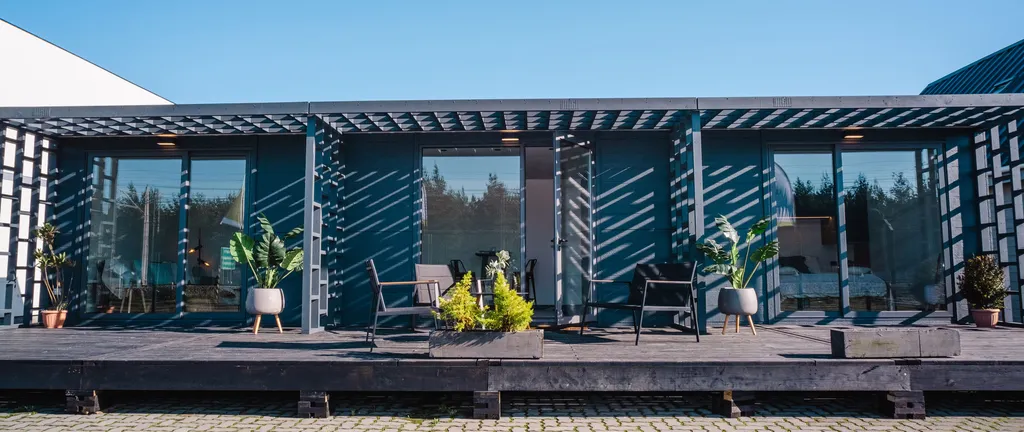
In the heart of Chile, a groundbreaking approach to residential construction is taking root, promising to revolutionize how we build sustainable, affordable homes. At the forefront of this innovation is Mauricio Vargas-Mosqueda, an academic from Universidad del Bío-Bío, who is pioneering a modular product platform based on Building Information Modeling (BIM). His work, recently published in ‘Informes de la Construccion’ (Construction Reports), could reshape the construction industry, particularly in the realm of low and medium-rise wooden buildings.
Vargas-Mosqueda’s research focuses on optimizing construction processes and integrated project management through the use of BIM and parametric design software. The goal? To streamline the design and manufacturing processes, making them more efficient and sustainable. “The construction of residential buildings in wood offers numerous advantages in terms of sustainability,” Vargas-Mosqueda explains. “However, its development in Chile requires the application of methods that optimize both construction processes and project management.”
The platform developed by Vargas-Mosqueda and his team allows for the digital modeling of pre-existing designs using standardized components. This approach, known as Design for Manufacturing and Assembly (DfMA), not only speeds up the construction process but also reduces waste and improves the overall quality of the buildings. “The process has shown, preliminarily, that the proposed platform can be an effective tool for optimizing DfMA processes and digital modeling of low and medium-rise residential buildings in wood,” Vargas-Mosqueda states.
The implications of this research are vast, particularly for the energy sector. As the world shifts towards more sustainable practices, the demand for energy-efficient buildings is on the rise. Wooden buildings, with their lower carbon footprint, are becoming an increasingly attractive option. However, the construction of these buildings has traditionally been labor-intensive and time-consuming. Vargas-Mosqueda’s platform could change that, making the construction of wooden buildings faster, cheaper, and more efficient.
Moreover, the use of BIM and parametric design software allows for greater flexibility and customization. Builders can easily modify designs to meet specific client needs or local building codes, further enhancing the appeal of wooden buildings. “This research could shape future developments in the field by providing a more efficient and sustainable way to construct residential buildings,” Vargas-Mosqueda says. “It’s a step towards a more sustainable future, and we’re excited to see where it leads.”
As the construction industry continues to evolve, innovations like Vargas-Mosqueda’s platform will be crucial in meeting the demands of a changing world. By optimizing construction processes and promoting sustainable practices, this research could pave the way for a new era of residential construction, one that is efficient, affordable, and environmentally friendly. The publication of this research in ‘Informes de la Construccion’ (Construction Reports) underscores its significance and relevance to the global construction community.