
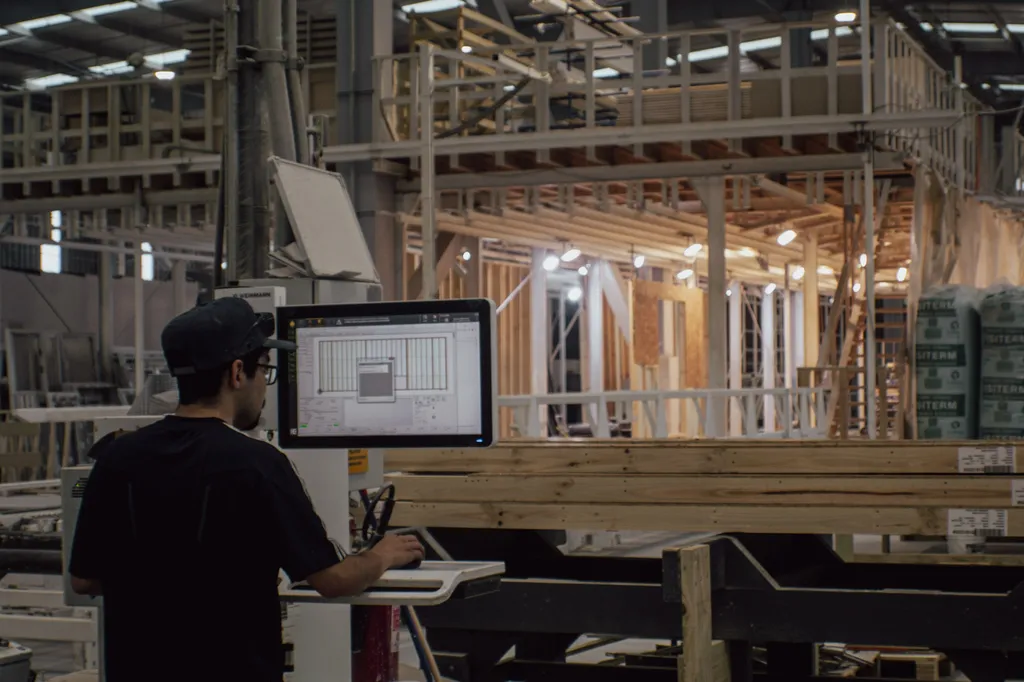
In the heart of Chile’s burgeoning architectural scene, a quiet revolution is underway, one that’s not just reshaping skylines but also challenging conventional building practices. At the forefront of this shift is a growing embrace of timber construction, a trend that’s catching the eye of professionals and policymakers alike. A recent study published in *Informes de la Construccion* (Construction Reports), led by Rose Marie Garay Moena of the Universidad de Chile, is shedding light on how this shift could reshape the construction industry, with significant implications for the energy sector.
Garay Moena and her team have been delving into the technical intricacies of notable timber architecture projects in Chile, focusing on how experts are tackling fundamental challenges like structural resistance, fire safety, thermal and acoustic insulation, and environmental performance. Their findings underscore the need for detailed technical specifications that can effectively communicate the benefits of timber to a broader audience.
“Currently, these technical details are often confined to calculation reports and informal documents,” explains Garay Moena. “But to build confidence in the market, we need to make this information accessible and understandable to everyone, from clients to regulators.”
The study proposes a more standardized approach to disseminating technical information, drawing on existing frameworks like those developed by the Instituto de la Construcción (Construction Institute). By itemizing specifications, providing certifications, and including test results, the industry can offer greater transparency and assurance to potential clients.
This push for standardization could have significant commercial impacts, particularly in the energy sector. Timber buildings, with their inherent thermal properties, can contribute to energy efficiency, reducing the demand for heating and cooling. As Garay Moena notes, “Timber construction can play a crucial role in sustainable urban development, aligning with global trends towards greener buildings.”
The study also highlights the potential for benchmarking and validation of building performance, which could set new standards for the industry. By demonstrating the sophistication and sustainability of timber construction, this research could pave the way for wider adoption, not just in Chile but globally.
As the construction industry grapples with the challenges of sustainability and climate change, Garay Moena’s work offers a timely reminder of the power of innovation and standardization. By making technical information more accessible and understandable, we can unlock new opportunities for growth and development in the timber construction sector, with far-reaching benefits for the energy sector and beyond.