
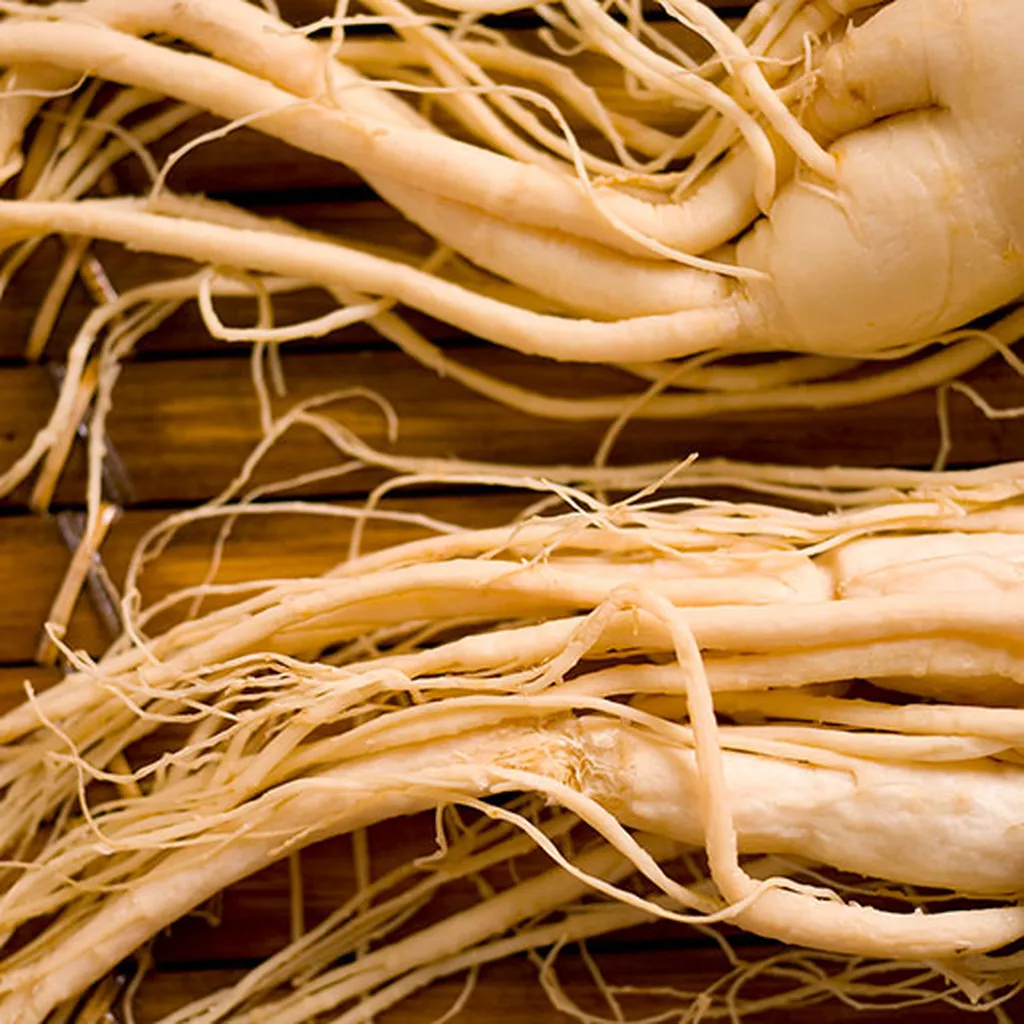
In the heart of China’s ginseng-growing region, a team of researchers led by Zhefeng Xu from the Jilin Ginseng Academy at Changchun University of Chinese Medicine has uncovered intriguing insights that could reshape the future of ginseng cultivation and its commercial potential. Their study, published in the journal *Frontiers in Soil Science* (translated as *Frontiers in Soil Science*), delves into the complex relationship between multi-stem ginseng (MSG) and soil properties, offering a glimpse into how soil composition might influence the plant’s medicinal value.
Ginseng, a prized herb in traditional medicine, has long been cultivated for its roots, which contain valuable compounds known as ginsenosides. However, the natural formation and quality of multi-stem ginseng—a variant with multiple stems—have remained less understood compared to the more common single-stem ginseng (SSG). Xu and his team set out to change that, measuring the ginsenoside content in the roots, stems, and leaves of 4-year-old SSG, double-stem ginseng (DSG), and triple-stem ginseng (TSG).
Their findings revealed significant differences in ginsenoside content between SSG and MSG. “Triple-stem ginseng had the highest content of ginsenosides in roots, while double-stem ginseng had higher content in leaves,” Xu explained. “This suggests that multi-stem ginseng could potentially offer greater medicinal and economic value.”
But the researchers didn’t stop at ginsenosides. They also examined the endogenous hormone content in the rhizomes and the physicochemical properties and enzyme activity of the rhizosphere and non-rhizosphere soil. What they found was a complex interplay between the plant and its soil environment. The activities of trace elements like cerium (Ce), neodymium (Nd), praseodymium (Pr), lanthanum (La), yttrium (Y), terbium (Tb), iron (Fe), and manganese (Mn), as well as phosphorus cycling enzymes, were significantly higher in the rhizosphere soil of TSG.
Xu’s team also discovered that certain rare earth elements might influence the morphological construction of TSG by affecting the accumulation of brassinolide, a plant hormone. “Pr, Nd, and Ce might play a crucial role in the formation of multi-stem ginseng morphology,” Xu noted. “This opens up new avenues for research into how soil composition can be manipulated to enhance ginseng quality.”
The implications of this research extend beyond the field of botany. For the commercial sector, understanding these relationships could lead to more targeted cultivation practices, potentially increasing the yield and quality of ginseng crops. “Ce, Pr, Zn, and β-amylase significantly affect the accumulation of ginsenosides,” Xu said. “This knowledge could be used to optimize soil conditions and improve the economic value of ginseng cultivation.”
As the world continues to seek natural remedies and high-value crops, this research could pave the way for innovative agricultural practices. By harnessing the power of soil science, farmers and cultivators might unlock the full potential of ginseng, turning it into a more lucrative and sustainable crop. The study, published in *Frontiers in Soil Science*, serves as a testament to the intricate dance between plants and their environment, offering a roadmap for future developments in the field.