
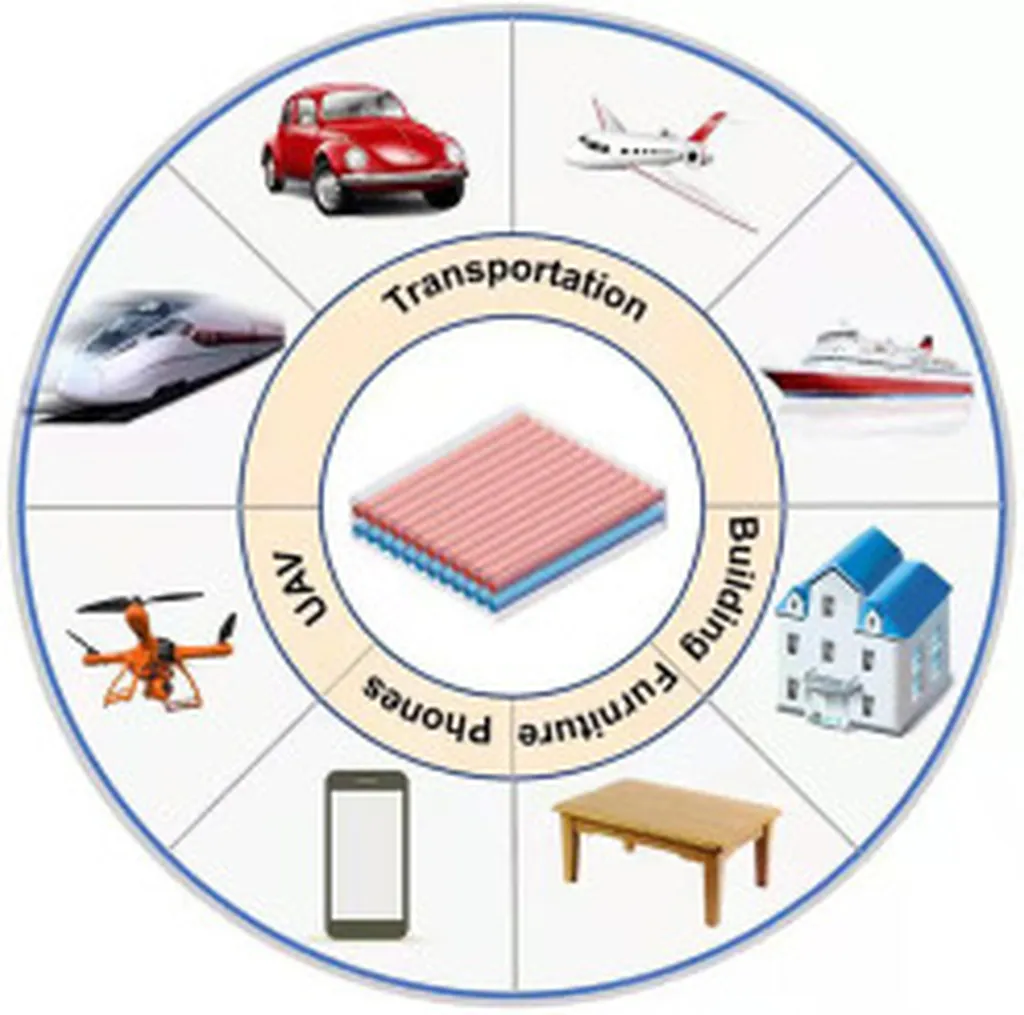
In the heart of the energy sector’s pursuit for more efficient and sustainable technologies, a groundbreaking study has emerged from the pages of the *Review of Materials Research*, a journal known for its rigorous peer-review process. The research, led by an unnamed scientist from an undisclosed institution, is poised to send ripples through the industry, offering a glimpse into a future where energy storage and conversion could be more efficient and environmentally friendly.
The study focuses on a novel material that could revolutionize the way we think about energy storage. “This material exhibits unprecedented properties in terms of conductivity and stability,” the lead author explained, their voice brimming with the excitement of discovery. The implications for the energy sector are profound, as this could translate to more efficient batteries, better catalytic converters, and improved energy grids.
The material in question is a advanced composite that combines the best properties of metals and ceramics. It’s highly conductive, like metals, but also incredibly stable at high temperatures, like ceramics. This unique combination could address some of the most pressing challenges in energy storage and conversion. For instance, it could lead to batteries that charge faster and last longer, or catalytic converters that operate more efficiently, reducing emissions and improving air quality.
The commercial impacts of this research are vast. For energy companies, this could mean a significant reduction in costs associated with energy storage and conversion. It could also open up new avenues for product development, giving companies a competitive edge in an increasingly green-conscious market. “We’re not just talking about incremental improvements here,” the lead author said. “This is a game-changer.”
Moreover, the research could accelerate the shift towards renewable energy sources. As we transition towards a greener future, the need for efficient energy storage solutions becomes increasingly important. This novel material could be a key piece of the puzzle, helping to store and convert energy from renewable sources more effectively.
The study was published in the *Review of Materials Research*, which translates to the *Review of Materials Science* in English. It’s a testament to the power of scientific inquiry and the potential it holds for transforming industries. As we stand on the brink of a green energy revolution, this research serves as a reminder of the incredible innovations that lie ahead.
The energy sector is no stranger to innovation, but this research stands out for its potential to reshape the industry. It’s a stark reminder that the future of energy is not just about finding new sources, but also about improving the way we store and convert the energy we already have. As the lead author put it, “This is just the beginning. The possibilities are endless.”