
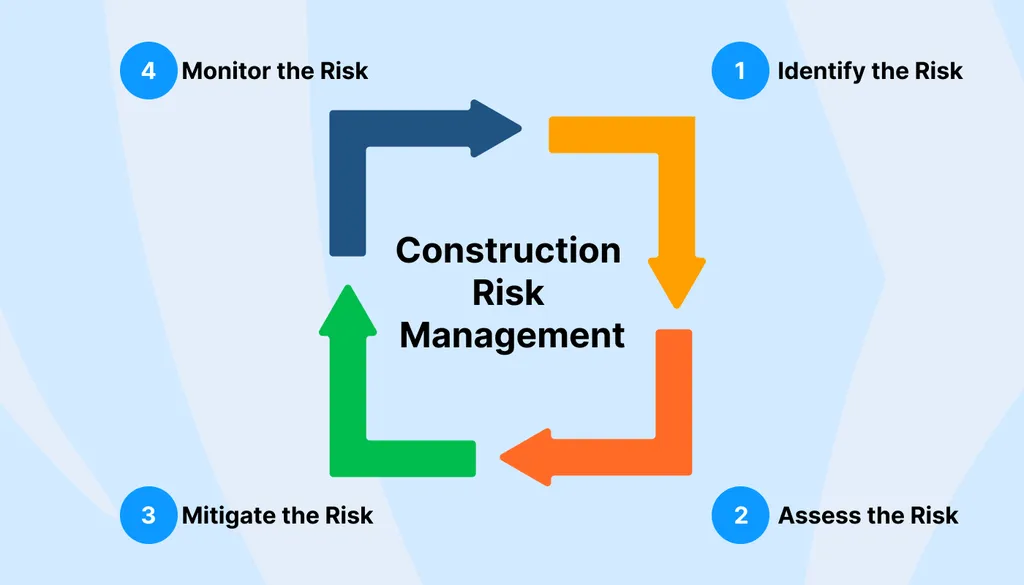
In the high-stakes world of construction, time is quite literally money. Delays in construction projects can lead to cascading financial repercussions, and in the energy sector, where infrastructure projects are often massive and complex, the stakes are even higher. A recent study published in *Rekayasa Sipil* (translated to English as *Civil Engineering Journal*) sheds light on how a strong risk management culture can significantly improve time control in construction projects, particularly in high-rise buildings—a finding that could have profound implications for the energy sector.
The research, led by Feby Kartika Sari from the Civil Engineering Department at Universitas Trisakti in Indonesia, employed a mixed-methods approach to uncover the key factors influencing project time control. Sari and her team first conducted in-depth interviews to identify critical risk management culture variables, then quantified these variables through questionnaires distributed to project managers, construction managers, and financial managers. The data were analyzed using the Random Forest algorithm, a machine learning technique known for its predictive accuracy.
The results were clear: a robust risk management culture has a significant and positive impact on project time control. “The most influential factors were the documentation of the risk register, the integration of risk evaluation into decision-making, and continuous monitoring and review,” Sari explained. These findings suggest that active implementation of risk management culture in daily operations contributes more directly to improving schedule performance than formal aspects like risk management policies and training programs.
For the energy sector, where construction projects often involve intricate timelines and substantial financial investments, these insights could be game-changing. “Accurate risk documentation, risk-informed decision-making, and adaptive monitoring are priorities for achieving effective time control,” Sari emphasized. By focusing on these areas, energy companies could mitigate delays and associated costs, ultimately improving project outcomes and financial returns.
The study also highlights the importance of adaptive monitoring and continuous review. In an industry where external risks—such as weather, supply chain disruptions, and regulatory changes—are ever-present, the ability to adapt quickly and make informed decisions can mean the difference between a project’s success and failure.
As the energy sector continues to evolve, with a growing emphasis on renewable energy projects and infrastructure development, the lessons from this research become even more relevant. By fostering a strong risk management culture, energy companies can enhance their project time control, reduce financial risks, and ultimately drive better business outcomes.
The study, published in *Rekayasa Sipil*, provides a roadmap for construction professionals and project managers in the energy sector to prioritize risk management practices that have the most significant impact on project timelines. As Sari noted, “The key is to move beyond formalities and focus on the practical, day-to-day implementation of risk management strategies.”
In an industry where every day counts, this research offers a compelling case for why risk management culture should be at the heart of every construction project.