
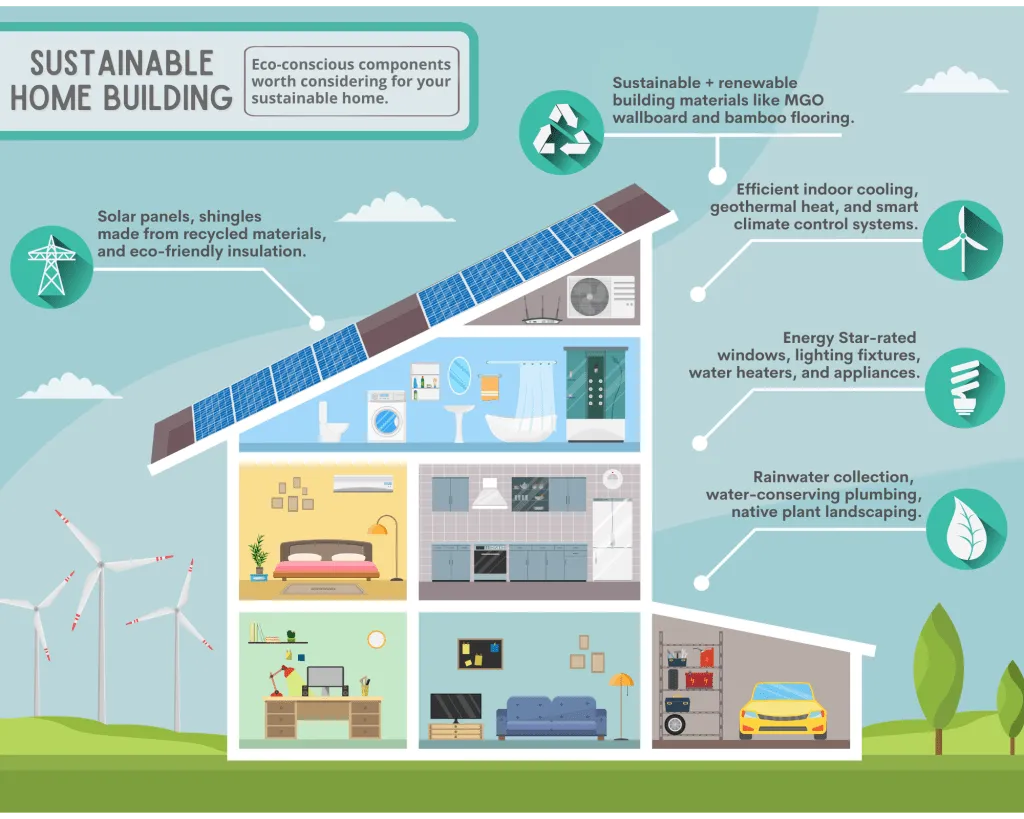
In the rapidly evolving energy sector, a groundbreaking study published in *Informes de la Construccion* (Construction Reports) is set to reshape how we approach building materials and energy efficiency. The research, led by Beatriz González Rodrigo, a member of the Organizing Committee for the CIMAD 2024 Congress, delves into innovative construction materials that could significantly reduce energy consumption in buildings. This isn’t just another academic exercise; it’s a potential game-changer for the energy sector, promising cost savings and sustainability on a massive scale.
González Rodrigo’s work focuses on advanced materials that can dynamically respond to environmental conditions, such as self-regulating insulation and smart glass that adjusts its transparency based on sunlight. “These materials aren’t just about reducing energy bills; they’re about redefining how we interact with our built environment,” González Rodrigo explains. The implications for the energy sector are profound. Buildings account for a significant portion of global energy consumption, and materials that can autonomously optimize energy use could drastically cut demand.
The commercial impact is already generating buzz. Developers and architects are eager to integrate these materials into new projects, anticipating not only reduced operational costs but also a competitive edge in an increasingly eco-conscious market. “We’re seeing a shift in the industry where sustainability isn’t just a checkbox; it’s a driving force behind innovation,” says González Rodrigo. This shift could lead to a wave of retrofitting existing buildings, creating a new market for construction firms specializing in energy-efficient upgrades.
The research also highlights the potential for these materials to integrate with renewable energy systems, further enhancing their efficiency. Imagine a building that not only conserves energy but also generates it, all while maintaining optimal comfort levels for its occupants. This synergy could accelerate the adoption of renewable energy solutions, making them more viable for widespread use.
As the energy sector grapples with the challenges of climate change and rising demand, González Rodrigo’s findings offer a beacon of hope. The study, published in *Informes de la Construccion*, translates to “Construction Reports,” underscores the importance of interdisciplinary collaboration in driving forward-thinking solutions. The research isn’t just about materials; it’s about a holistic approach to building design that prioritizes efficiency, sustainability, and innovation.
The future of construction is here, and it’s smarter, greener, and more efficient than ever before. As González Rodrigo’s work gains traction, we can expect to see a ripple effect across the energy sector, transforming how we build, live, and work. The question now isn’t whether these materials will become mainstream but when. And for the energy sector, the answer couldn’t come soon enough.